
The Ownership Costs That Can Wipe Out A Used Car’s Apparent Bargain
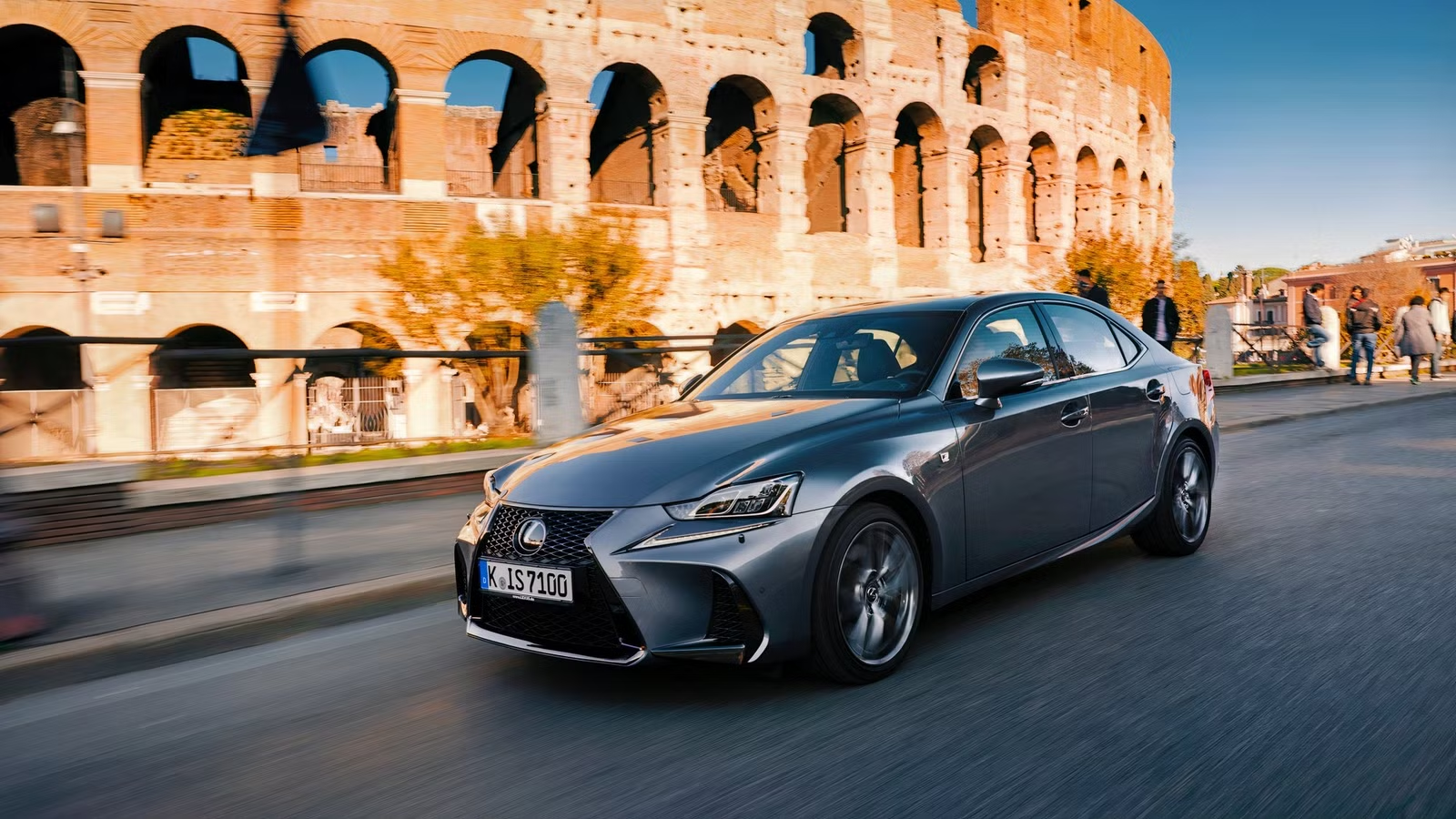
You can negotiate $3,000 off a used car and still end up buying the more expensive example. A set of tired performance tires, overdue maintenance, and brakes approaching replacement can swallow that victory before the first oil change. The seller gets the agreed price, while you inherit the work that made the discount possible.

That doesn’t mean every inexpensive used car is a trap. It means the asking price needs some company before it tells you anything useful. The real bargain is the car whose purchase price, condition, and running costs work together, and sometimes that car sits a few thousand dollars higher in the search results.
A Cheap Asking Price Can Hide An Expensive Starting Point
Depreciation Lowers The Price Without Simplifying The Car
Depreciation can put a sophisticated luxury sedan within reach of a mainstream-car budget. Unfortunately, it doesn’t replace the adaptive dampers with inexpensive conventional shocks or shrink the performance brakes hiding behind those handsome wheels. You buy the engineering along with the leather.

Original MSRP provides a useful warning about complexity, but it doesn’t establish what every repair will cost. A well-supported premium model can make a perfectly reasonable purchase, especially with documented maintenance. The important question is whether you can comfortably maintain the equipment fitted to that particular example.
Deferred Maintenance Becomes Your First Ownership Expense

A seller’s decision to postpone maintenance can become your immediate expense. Old tires, overdue fluids, worn suspension bushings, and an approaching timing-belt service, where applicable, don’t become less important because the car drives nicely around the block.
Consider a $12,000 car needing $2,500 of immediate work, beside a $14,000 example with that work already documented. The cheaper car starts at $14,500 before any additional discovery. Receipts still need scrutiny, but paying more for completed maintenance can beat buying a lower price and a longer appointment with your mechanic.
Tires, Brakes, And Routine Service Can Consume The Savings

Brake pads provide a useful reality check. RepairPal’s published estimates put pad replacement for a 2021 BMW 330i at $647–$704, compared with $304–$361 for a 2021 Toyota Camry. These are model-year estimates rather than matching local quotes, exclude taxes and fees, and shouldn’t be mistaken for complete four-wheel brake overhauls. They nevertheless show why “just needs brakes” deserves a dollar figure.
A discounted AMG can deliver another surprise. Tire Rack listed Goodyear Eagle F1 Asymmetric 6 summer tires for a 2018 Mercedes-AMG GLE 63 S Coupe at $376.99 each in 275/45R21 front sizing and $424.99 each in 315/40R21 rear sizing. That totals $1,603.96 for four tires before installation and tax.
The Service Schedule Matters More Than A Fresh Oil Change

Fresh oil is welcome, but it doesn’t certify the rest of the maintenance history. Spark plugs, coolant, brake fluid, transmission service, and AWD drivetrain components may have separate requirements. Follow the manufacturer’s instructions for the exact vehicle and operating conditions.
Build the next two years of scheduled work before buying, using both mileage and age. Several manageable services can add up to an uncomfortable first-year total when they are combined. A clean engine bay looks encouraging, but a dated invoice showing the correct work tells you considerably more.
Fuel And Insurance Keep Charging Long After The Purchase
Fuel Consumption Can Turn A Small Price Advantage Into A Recurring Bill

At 12,000 miles annually, a car averaging 20 mpg consumes 600 gallons, while one averaging 30 mpg consumes 400 gallons. Assuming $3.50 per gallon for both, the difference is $700 annually, or $2,100 over three years. Your commute also matters: use an economy estimate that reflects your driving, rather than the most flattering highway number in the advertisement.
An Insurance Quote Can Change Which Car Is Actually Affordable
A low resale value doesn’t guarantee a low insurance premium. Your driving history, location, coverage, and the vehicle itself all influence the quote. Expensive collision repairs or exposure to theft can undermine the appeal of an otherwise inexpensive purchase.
Request quotes for the actual candidates with matching coverage, limits, and deductibles. An illustrative $40 monthly difference becomes $1,440 over three years. That recurring expense deserves the same attention as a $1,000 difference in asking prices, even if it doesn’t appear beside the listing’s mileage.
One Major Repair Can Erase The Entire Purchase Discount
Known Failure Points Deserve Model-Specific Research

A brand’s reputation cannot tell you everything about a particular engine, transmission, or suspension system. Research the exact model year and configuration, then ask a knowledgeable shop which problems deserve inspection. An impressive reputation for reliability also doesn’t make an individual’s neglected car healthy.
Keep the evidence in perspective. Owner complaints can identify symptoms worth investigating, while manufacturer service bulletins can explain diagnosis or repair procedures; neither establishes that every example will fail. NHTSA provides recalls, complaints, investigations, and manufacturer communications, but your purchase decision still needs the vehicle’s condition and service history.
Price a suspected problem before treating it as a negotiating opportunity. A $2,000 discount against a diagnosed $1,200 repair might leave useful room, while the same discount against an unexplained transmission shudder leaves a much less comfortable calculation. The diagnosis matters more than the seller’s confidence.
Parts Availability And Downtime Add Costs Beyond The Repair
The repair invoice may be only part of the expense. Depending on the vehicle and repair, you could also face towing, diagnostic time, programming, or temporary transportation. A replacement module sitting in a warehouse across the country doesn’t help you get to work tomorrow.
The Better Bargain Is The Car With The Stronger Ownership Math
Compare The Purchase Price With A Realistic Three-Year Budget

Start with the out-the-door purchase cost, then add immediate repairs, scheduled maintenance, expected tire and brake replacement, fuel, and insurance. Subtract a conservative estimate of the resale value to arrive at a comparable three-year ownership cost. Keep an additional repair reserve available separately; money set aside isn’t automatically money spent.
Use the same mileage and ownership period for both candidates, and avoid double-counting any expenses. If immediate work includes new tires, account for that remaining life when estimating later replacements. Resale value also deserves a range rather than a suspiciously precise prediction three years into the future.
The earlier $12,000 example, needing $2,500 immediately, therefore starts $500 behind the $14,000 example before running costs enter the picture. The cheaper car could still win out through lower fuel use or insurance costs, but it now has to prove the advantage. The listing price no longer has the right to make the decision alone.
Let Inspection Results And Service Records Set Your Offer

An independent inspection should produce findings you can act on. Ask for a cold start, a diagnostic scan to check pending codes and readiness status, an underbody examination, leak checks, and a road test to bring the drivetrain to operating temperature. Add checks for documented weaknesses specific to the model.
Request measured brake-pad and rotor condition, tire tread across each tire, tire date codes, and evidence of uneven wear. Match service records against the manufacturer’s schedule, and obtain written estimates for work identified during the inspection. A history report adds context, but it cannot substitute for an examination of the car.
Use those findings to set your maximum offer, including enough room for the work and a realistic reserve. If the seller’s price only makes sense when you ignore the inspection, the bargain has already disappeared. You can enjoy an ambitious used-car purchase without expecting the mechanic to honor the discount you negotiated.
Sources: RepairPal, Tire Rack, Federal Trade Commission, NHTSA

Related posts




Latest Post



No Comments