
The Japanese Motorcycle That Gives Ducati Riders A Reason To Look Twice
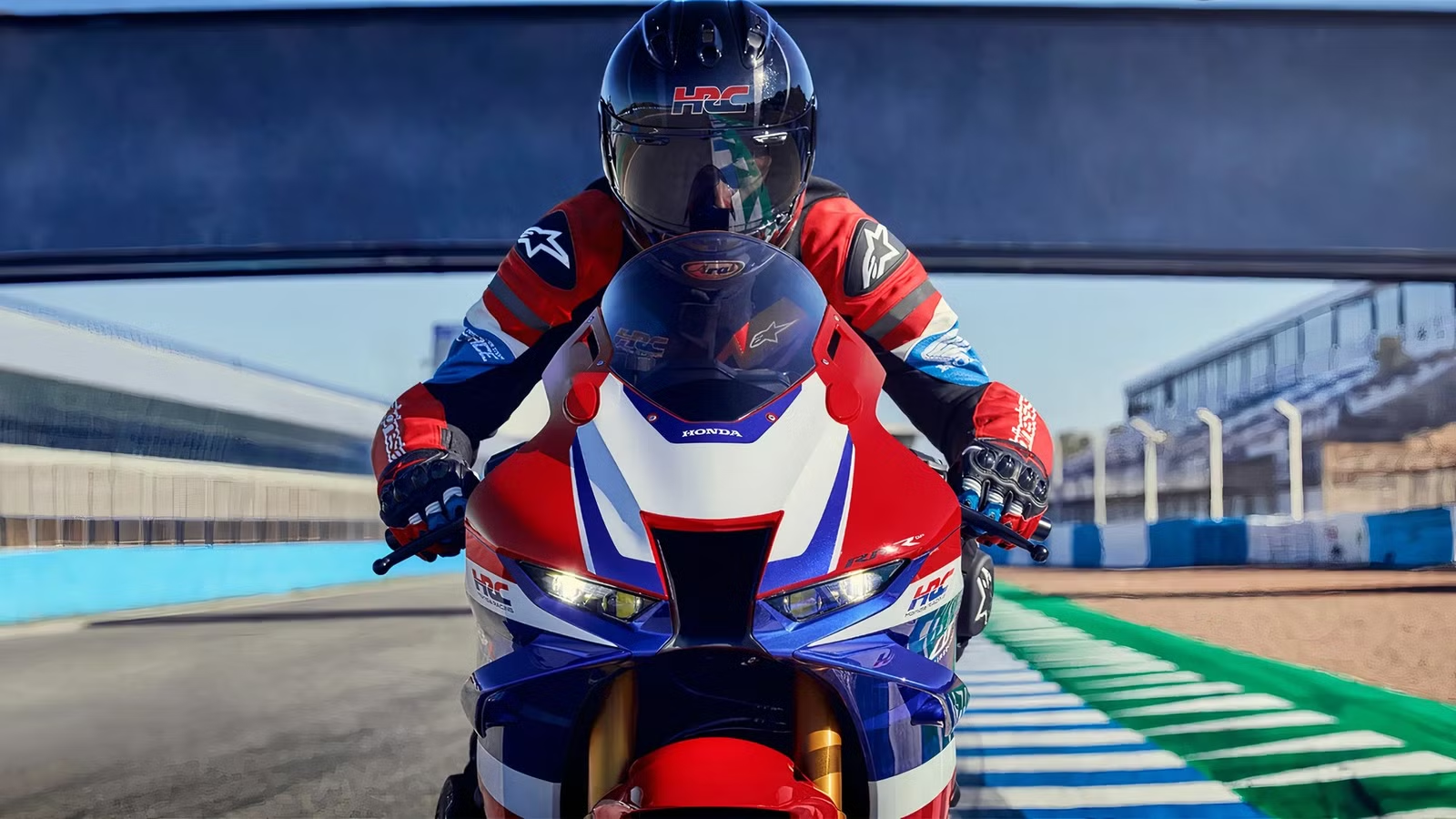
Ducati’s Panigale V4 has been setting the bar for superbikes for a while now. Between that snarling V4 engine, clever electronics, and MotoGP-inspired engineering, it’s easy to see why it gets so much attention. But if you’re looking for a flagship superbike and don’t need to wear Italian red, there’s another one you’ve got to look at. There’s a Japanese rival that packs similar power, a much better suspension setup, and plenty of electronics. So, if you think the Ducati is automatically the better choice, this one might give you a reason to reconsider.
Why Ducati Riders Should Look Beyond Italy

Ducati has built its reputation on making seriously fast bikes, and the Panigale V4 is the poster child, with its Monster V4, sharp aerodynamics, and electronics that make it a proper weapon. But if you’re shopping in this category, there’s another option from Japan you really should look at. It takes a slightly different approach, with a high-revving engine, serious brakes, a full set of rider aids, and better suspension than the base Panigale V4.
On paper, it’s right there with some of Europe’s best, so if you want that kind of performance without the Italian badge, it’s worth considering. The remarkable part is how close they are. The two bikes have similar power figures, and both come with seriously impressive equipment. So, before you head straight to a Ducati showroom, it’s worth checking out what this Japanese rival brings to the table.
The CBR1000RR-R Fireblade SP Has The Hardware To Back Its Ambitions


Honda clearly had the racetrack in mind when it built the CBR1000RR-R Fireblade SP. You get a 999.9cc inline-four engine, electronically controlled Öhlins suspension, and Brembo brakes. There’s no shortage of serious hardware here. And this isn’t exactly an affordable alternative, either. With a starting MSRP of $28,999, before destination charges and other fees, the Fireblade SP goes straight up against some of the biggest names in the superbike world.
A Screaming Inline-Four With European-Level Power

The Fireblade SP gets a 999.9cc liquid-cooled inline-four engine with a 13.6:1 compression ratio. Honda also drew on its RC213V MotoGP development experience when engineering the engine, so there is a fair bit of racing know-how behind it. In its unrestricted European-spec form, the engine makes 214.6 horsepower at 14,500 rpm and 83.3 pound-feet of torque at 12,490 rpm.
That puts it right alongside the European Ducati V4, which makes 216 horsepower from a larger 1,103cc V4 in European specification. But since we’re looking at the US market, there’s one thing worth clearing up. Honda’s US spec sheet doesn’t list an official horsepower number, while Ducati says 209 for the US Panigale V4. European figures show it has the performance credentials to compete with the Ducati.
Latest Öhlins Suspension And Brembo Brakes

The Fireblade SP gets some seriously good suspension hardware, including a 43mm Öhlins NPX fork and a Öhlins TTX36 rear shock. Both feature Smart Electronic Control, allowing you to adjust the suspension electronically to suit different riding conditions. The brakes are just as serious. You get twin 330mm front discs with Brembo Stylema four-piston radial calipers, along with a 220mm rear disc. Of course, there’s ABS, which adds extra control when braking. It’s exactly the kind of equipment you’d expect on a premium, track-focused superbike.
Electronics That Keep Up With Ducati

A powerful engine and a good suspension are only part of the story with modern superbikes. The Fireblade SP has a full MotoGP-derived electronics suite, all managed by a six-axis IMU. The throttle is a two-motor ride-by-wire setup that keeps response smooth and gives you finer control over engine braking. You also get multiple power modes to change the output and throttle feel, plus a three-level engine brake adjustment, so you can decide how much the bike slows down when you close the throttle. Then there’s the traction side of things. Honda’s Selectable Torque Control has nine levels, there’s wheelie control, and there’s launch control for standing starts.
The suspension is smart too; Öhlins’ Objective Based Tuning Interface adjusts the damping on its own using the IMU data. For stopping and shifting, there is cornering ABS with a dedicated Race mode. The three-level quick shifter enables clutchless upshifts and auto-blip downshifts, and the electronic steering damper, also managed by the IMU, keeps the bike stable at high speed.

There is also a five-inch color TFT dash with a wide range of options and a smart key. Ducati isn’t sitting still either. The Panigale V4 comes back with its own electronics package, with traction control, wheelie control, slide control, and engine-braking management. So, both bikes give riders plenty of ways to manage their performance, rather than relying on engine power alone.
Where The Fireblade SP Can Challenge The Panigale V4

The Honda Fireblade SP doesn’t have to beat the Ducati on every specification to deserve consideration. It comes with Öhlins electronic suspension, Brembo brakes, and an engine built for serious performance. That’s a genuinely strong package by any measure. The two bikes also go about things differently. Honda sticks with a high-revving inline-four and brings in engineering influenced by MotoGP, while Ducati takes the V4 route with its own Italian flair. So, if you’re used to the Panigale, the Fireblade offers a different take on the same superbike formula.
Of course, there are a few differences worth noting. The Ducati has a larger engine, and Honda lists the Fireblade SP at 445 pounds curb weight in the US. Ducati lists the standard Panigale V4 at 421 pounds without fuel, so those numbers aren’t an apples-to-apples comparison. But if you ride a Ducati and are open to trying something different, don’t overlook the Fireblade SP. It has the performance hardware and electronics to stand alongside the Italian superbike, offering a compelling reason to consider a Japanese alternative.
Source: Honda Powersports

Related posts


Latest Post


No Comments