
1985 Mustang GT 5.0 Manual Prices Are Climbing Fast
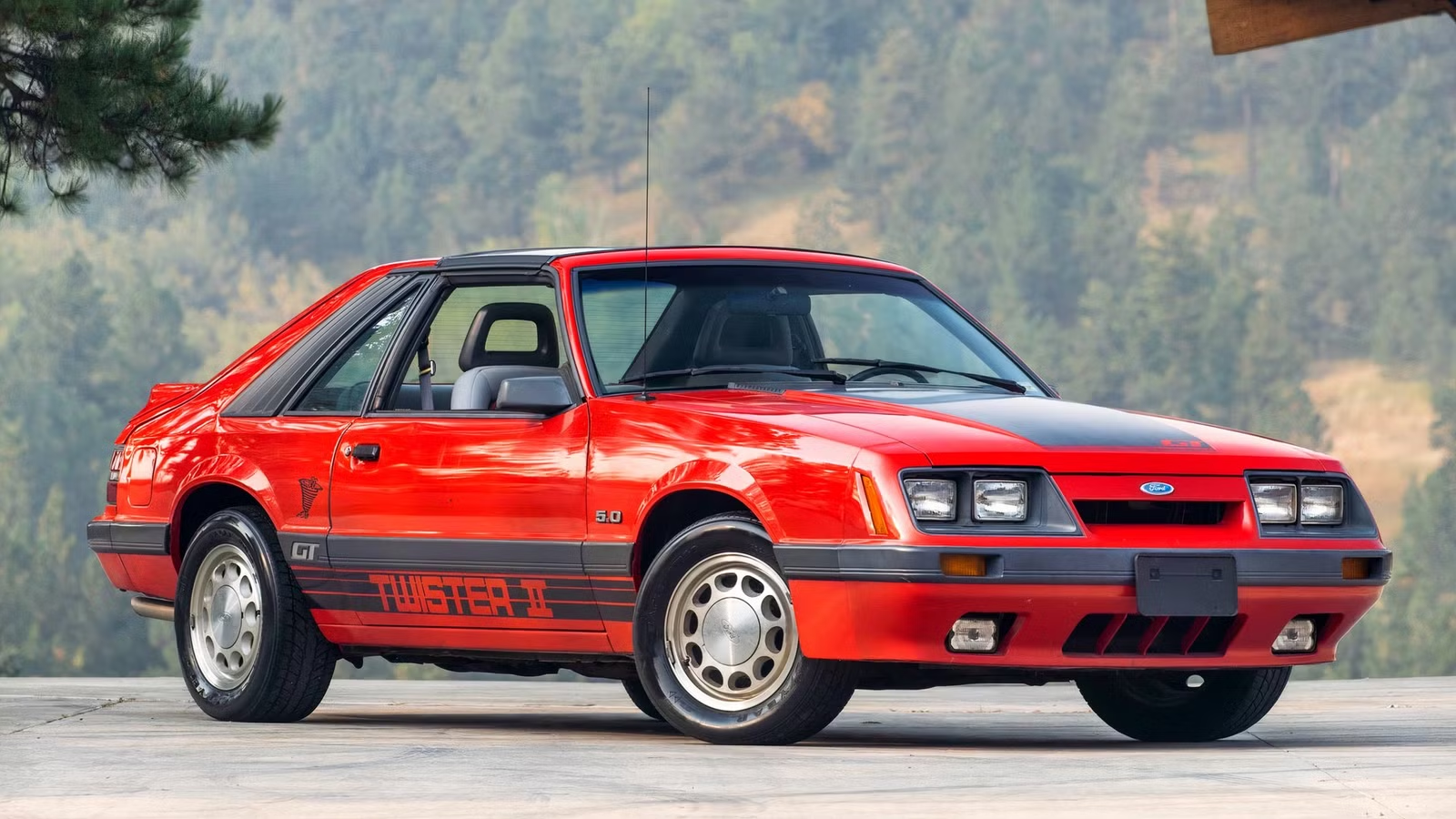
A rough 1985 Ford Mustang GT 5.0 sold for just $10,433 at Hagerty Marketplace in 2025. In September 2026, a clean original-owner hatchback with 36,000 miles brought $26,500 on Bring a Trailer after 36 bids. That’s a $16,067 gap inside the same model year, and it’s the clearest signal yet that the cheap-thrills window on the last carbureted V8 Mustang is starting to close.

One was a rough convertible with a replacement stereo and a long maintenance list; the other was a repainted hatchback wearing an aftermarket exhaust and radio. But the spread matters more than any single sale. Collector interest in 1980s muscle is rising, clean manual cars are drawing serious bidding, and good survivors aren’t getting any more common. For buyers chasing old-school V8 simplicity before the market locks them out, the clock is running.
Why 1985 Is The Mustang GT Year That Matters
The 1985 Mustang GT with the 5.0-liter High Output V8 and five-speed manual is the last factory Mustang Ford built with a carburetor. For 1986, the 5.0 switched to sequential multiport fuel injection, closing out the carbureted era for good. Ford rated the 1985 manual combination at 210 horsepower, modest by today’s standards but historically significant as the final stop before EFI took over.

Buyers need to be careful with the badge alone. The 1985 automatic GT used central fuel injection and carried a lower factory rating, so “1985 GT 5.0” doesn’t automatically mean the carbureted, five-speed spec collectors are chasing. Confirming the transmission and induction system before buying is non-negotiable, and if originality matters, the carburetor hardware deserves a close look too.
Pushrod V8, Rear-Wheel Drive, Five-Speed: The Appeal Is Still Simple

There’s nothing complicated about why enthusiasts want this car. A naturally aspirated pushrod V8 sends power to the rear wheels through a T-5 five-speed manual, with period-correct brakes, steering, and suspension. The driver picks the gear, the rear tires do the work, and there’s no electronic nannying to get between the two. It’s the analog recipe that made ’80s muscle cars worth owning in the first place, and parts support remains broad enough that a worn component doesn’t turn into a scavenger hunt.
What To Check Before You Buy One

A bargain-priced 1985 GT can stop being a bargain the second it goes up on a lift. Floor pans, strut towers, window channels, and the rear torque boxes all deserve scrutiny. Hard launches can crack or separate the torque box mounts, and rust in the strut towers has sent plenty of Fox-body Mustangs to the scrapyard rather than the shop. Previous reinforcement isn’t automatically a red flag, but the welding and metal underneath need a real look.
Run the T-5 through every gear during a test drive and listen for grinding or reluctant engagement, keeping in mind the reverse gear isn’t synchronized on these transmissions, so some grinding going into reverse is normal. Beyond that, check for leaking rear main seals, verify any claimed rebuilds or repairs with receipts, and budget for a proper pre-purchase inspection. A worn gearbox or hidden structural repair can erase whatever savings made the car look like a deal in the first place.
Nobody can promise the next 1985 GT 5.0 manual that crosses an auction block will beat $26,500, and plenty of rough examples will keep trading in the low five figures for a while yet. But the gap between the cheap ones and the clean ones is only getting wider, and that’s usually what a closing window looks like. Buy the straight, healthy manual car now, and the last carbureted V8 Mustang is still the prize even if the market never moves another inch.

Related posts






Latest Post


No Comments