
The Five-Year-Old Luxury German Sedan That Costs Less Money Than A Toyota RAV4
The 2026 Toyota RAV4 continues to win favor from American consumers, making it one of the favorite compact SUVs on the market. With the current-generation model, the Japanese brand has struck an ideal balance of affordability and efficiency without compromising overall quality. The 2026 range’s pricing starts at $33,350, which is a figure that many can’t budget for in today’s economic climate.

If you want to experience the highest levels of luxury on a budget and don’t mind high long-term maintenance and running costs, the used market may be a more appealing option. A five-year-old full-size German luxury sedan is currently selling for about the same price as, or less than, a new RAV4, packed with the brand’s best, highest-quality features and materials.
American consumers often find superior value in the used luxury market because these vehicles depreciate aggressively, frequently losing 40 to 50 percent of their original MSRP within the first three years. This lets buyers access high-end materials, advanced safety technology, and superior driving dynamics at a price point comparable to a brand-new economy car. By letting the first owner absorb the steepest financial hit, a second-hand shopper can often afford a higher trim level or a more prestigious badge than their budget would otherwise permit in a new-car showroom.

Many of these vehicles are also available through Certified Pre-Owned programs, which provide manufacturer-backed inspections and extended warranties that reduce some of the risks of buying used. However, this decision carries downsides, including higher out-of-warranty maintenance costs, more expensive specialized parts, and the gradual obsolescence of older infotainment and driver-assistance software.
The New RAV4’s Tall Pricing Structure

Toyota kicks off the RAV4 range at $33,350 for the base LE front-wheel-drive hybrid model, making it a competitively priced hybrid in the segment. A lower starting price point for a newer car is always a strong strategy, and it’s clearly reflected in its sales results.
The most expensive hybrid and plug-in hybrid options start at $44,000 and go up to $49,000. Toyota offers AWD systems across multiple trims. These prices exclude destination fees and optional extras. Some optional packages are available across trims, but they are relatively structured, as the brand prefers a defined trim pricing strategy.
The RAV4 has long been a value proposition for those wanting a decently sized family vehicle that doesn’t compromise on build quality or reliability. The lower-trim models may not be the most prestigious options you can consider, but current-generation examples are much more comprehensively kitted out than previous generations.
BMW’s Worthy Luxury Alternative

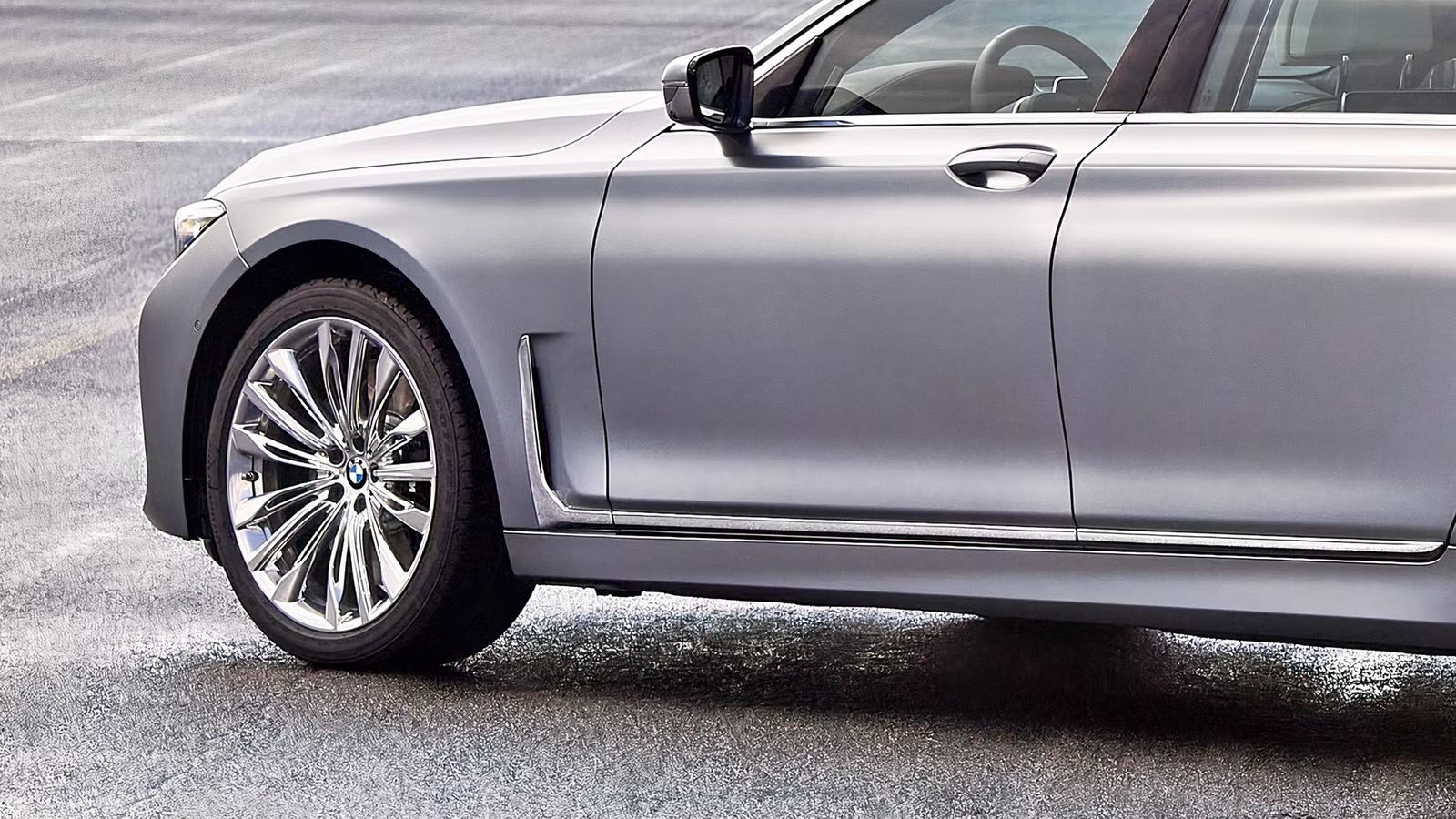
The 2021 BMW 7 Series originally launched with a starting MSRP of $86,800 for the base 740i, climbing to over $157,800 for the flagship V-12 models. The range offers a versatile selection of powertrains, including a 3.0-liter turbocharged straight-six in the 740i, which we’ll focus on for this feature.
According to current market data sourced from J.D. Power, the range has depreciated significantly, with typical used values now ranging from the low $30,000s to over $70,148, depending on the specific trim and condition. While 740i models commonly trade in the mid-$30,000 range, flagship variants remain more valuable and command higher prices. The publication also gives this model a 79/100 overall score.
Be Prepared For High Running Costs

The catch with owning a five-year-old 7 Series is that it will be incredibly expensive to keep it in outstanding condition, which is in your best interest if you want a relatively problem-free ownership experience and better value retention. Comprehensive ownership data suggests you can expect to spend heavily on a luxury European flagship over five years.
Depreciation accounts for a large portion of this, which is expected given its position in the brand’s lineup. Additional funds will go to insurance, gasoline, financing, and maintenance and repairs. A used 7 Series in this age bracket can incur significant total ownership costs, with substantial portions allocated to fuel, insurance, and financing.

iSeeCars indicates the model will lose 60.6-percent of its value over five years. It also states an average mechanical lifespan of 8.4 years or 94,760 miles, with a zero percent chance of reaching 200,000 miles.
Specifically regarding maintenance and reliability, estimated average annual repair costs for a 740i are considerably higher than the average for all vehicle models. Common expenses include premium oil changes, specialized servicing, and a high probability of severe repairs as the vehicle ages. BMW, as a brand, requires consistent service center visits for noteworthy maintenance.
Depreciation rates for the 7 Series remain steep, which hurts value retention compared with key mainstream rivals. On the reliability front, owners must account for specialized component maintenance as these complex luxury flagships age.
The Best Of Bavaria’s Interior Design

The 2021 BMW 740i comes standard with leather upholstery, 10-way or multi-way power-adjustable heated front seats with driver-seat memory, and a panoramic sunroof. Convenience features include a power-adjustable steering column, multi-zone automatic climate control, power-folding heated mirrors, and a power trunk. In contrast, standard entertainment includes the iDrive system with a touchscreen, navigation, gesture control, and a Harman Kardon surround-sound system.
An optional Executive Package added enhanced multi-contour front seats with ventilation and massage functions, plus ceramic control dials and a head-up display. Rear-seat passengers can be pampered with luxury seating packages that add heated, ventilated, and massaging rear seats, a heated steering wheel and armrests, and localized climate and media controls.
High-end standalone options further elevate the 740i with features like panoramic glass sunroofs, premium Bowers and Wilkins Diamond Surround Sound systems, and rear-seat entertainment display configurations.
The B58’s Most Luxurious Application

The 2021 BMW 740i is powered by the B58 TwinPower turbocharged 3.0-liter straight-six engine, consisting of a twin-scroll turbocharger, high-precision direct injection, and Valvetronic variable valve timing. This refined engine produces 335 horsepower and 330 pound-feet of torque, with the torque peak arriving early in the rev range. A standard ZF eight-speed automatic transmission with manual shift modes and launch control sends power to the rear wheels or all four wheels if you opt for the xDrive model.
The rear-wheel-drive configuration lets the large sedan accelerate from 0 to 60 MPH in about 5.1 to 5.3 seconds, an impressive result for an entry-level engine option. The 740i is electronically limited to a top speed of 130 MPH in its standard guise, but models with performance packages can reach higher top speeds.
Fuel Costs You’d Expect From A Luxury Car

The 740i delivers reasonably impressive fuel economy, despite its size and engine displacement. The EPA estimates that the rear-wheel-drive model achieves 22/29/24 MPG on the city/highway/combined cycle, while providing a strong cruising range from the 20.6-gallon tank.
The EPA indicates it will cost more to refuel each year than the average new vehicle currently on sale, given its requirement for premium gasoline. Filling the tank will cost significantly more than in an economy car, and a 25-mile drive will cost even more due to luxury gas rates.
Opting for the xDrive model changes consumption slightly and adjusts the overall cruising range. This means you’ll spend more on fuel over five years than with standard mainstream compact crossovers.
Sources: BMW, J.D. Power, iSeeCars, CarEdge, and EPA.

Related posts






Latest Post


No Comments