
This ’80s Muscle Car Won’t Be A Dirt Cheap Gem Much Longer
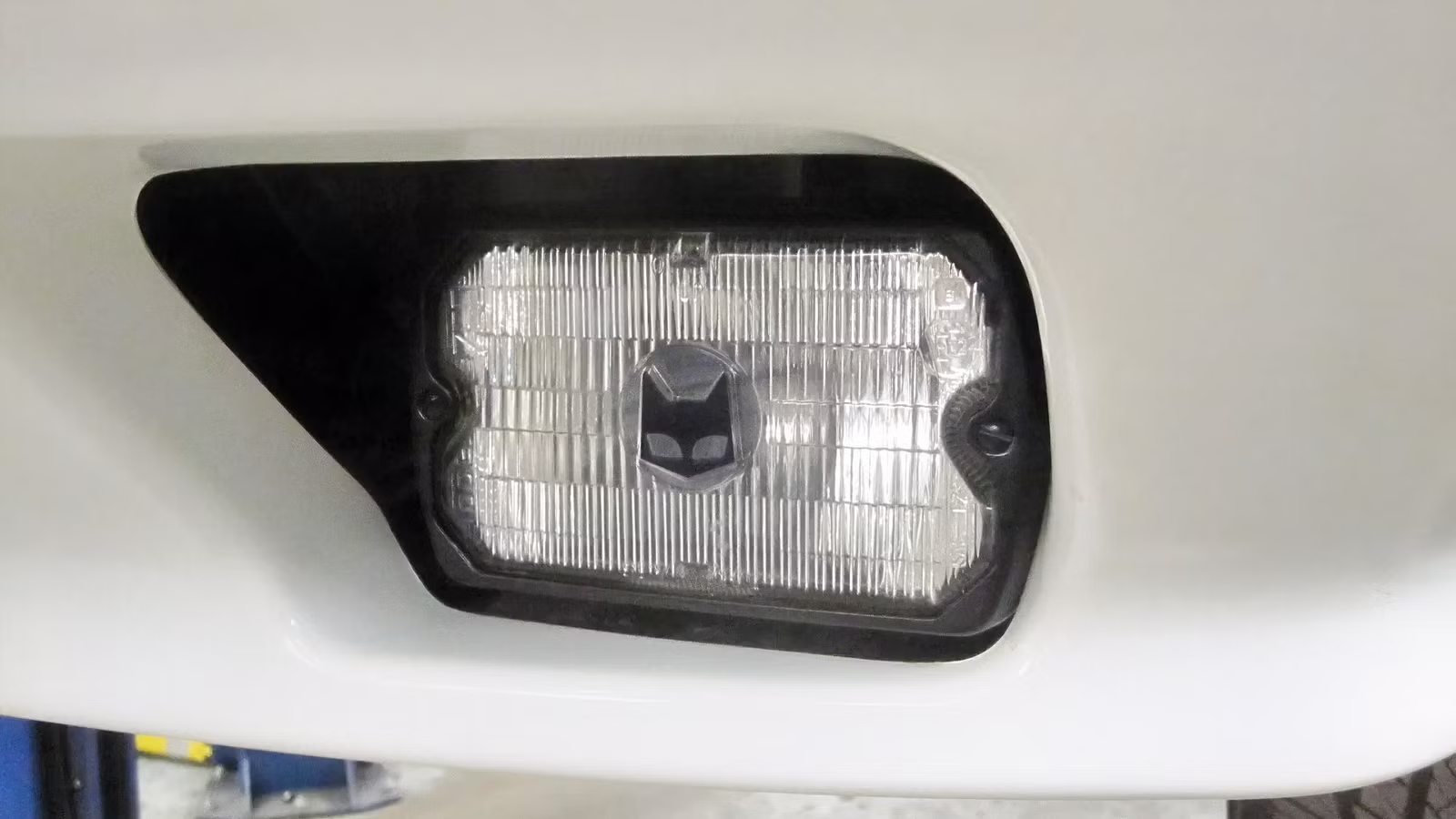
Remember when boxy V8 performance cars with five-speeds lived in newspaper classifieds instead of collector watchlists? That world isn’t dead yet. A genuine mid-’80s example sold near $10,000 in 2025, even as cleaner survivors from the era are drawing collector money.

That is why this affordable muscle car deserves another look. It has the analog recipe that made ’80s muscle cars so easy to love: V8 power, rear-wheel drive, and a manual gearbox. The cheap-thrills window is still open, but cleaner cars are already testing how long that lasts.
The Cheap End Of This Market Still Has Room To Climb
There is still a cheap door into this market, and one 2025 sale proves it. A five-speed V8 convertible sold on Hagerty Marketplace for $10,433 with 37,761 miles showing, although total mileage was unknown. It wasn’t a velvet-rope survivor, either: the car had a replacement stereo, visible cosmetic flaws, and a long maintenance list. In other words, ten-grand money could still buy something you might actually drive.

Then the other end of the market showed up. In September 2026, an original-owner hatchback with 36,000 miles brought $26,500 on Bring a Trailer after 36 bids. Even that car had been repainted and wore an aftermarket exhaust and radio. The $16,067 gap looks dramatic, but it isn’t same-car appreciation. These were different body styles, histories, conditions, venues, and dates.
That tension is the story. Growing interest in 1980s muscle among collectors gives clean manual cars more competition, and good survivors aren’t multiplying. That doesn’t guarantee another price jump. It does make the hunt more urgent: buy condition, not hype, because the cheapest project can still become the most expensive car in disguise.
Beyond The Price, There Is Real V8 Fun For The Money

No exotic badge required, and thankfully no velvet rope either. The appeal starts with a naturally aspirated pushrod V8 sending power to the rear wheels through a five-speed manual. The driver chooses when the engine changes gear, while the rear tires handle the acceleration. By modern standards, the output is mild, and the brakes, steering, and chassis are period hardware. But that is the point: making progress depends on choosing the right gear and carrying momentum, not simply leaning on huge horsepower.
Parts support is still broad, so a worn common component does not automatically become a nationwide scavenger hunt. You can fix what wears out and keep using the car. That support cannot rescue rotten structural metal or make labor free, but it makes ownership less intimidating than with an obscure, short-lived performance model.
That is where the value lands. Instead of paying extra for rarity alone, you get old-school V8 hardware you can use, maintain, and improve. If participation matters more than a trophy badge, that is a much more interesting bargain.
The 1985 Ford Mustang GT Is The Unexpected Sweet Spot

The car behind that old-school formula is the 1985 Ford Mustang GT, specifically the 5.0-liter High Output V8 with the five-speed manual. Ford rated that carbureted combination at 210 horsepower. The number looks modest now; the history behind it does not. The 1985 model year was the final stop in the Mustang’s third-generation story before Ford moved the V8 to sequential multiport fuel injection for 1986. This is the last factory carbureted V8 Mustang.
The five-speed is the headline act for another reason. The 1985 automatic V8 used central fuel injection and carried a lower factory power rating, so “1985 GT 5.0” alone does not guarantee the specification you want. Verify the transmission and induction system, and inspect the carburetor hardware if originality matters.

That is what makes this GT such a fascinating hinge point. It is not a rare homologation special or an untouchable museum piece. Instead, it catches Mustang history mid-stride: carbureted V8 tradition on one side, the fuel-injected era waiting on the other. For buyers who want the old formula at its final factory moment, 1985 lands right on the bullseye.
Beyond The Hype, Hidden Repair Bills Decide The Bargain

A bargain-priced 1985 GT can stop being a bargain the moment it reaches a lift. Check the floor pans, strut towers, window channels, and especially the rear control-arm mounting points, or torque boxes. Hard launches can crack or separate those mounts, while rust can turn a repair into serious metalwork. Previous reinforcement is not automatically bad, but the metal and workmanship underneath deserve a hard look.
Then make the five-speed earn your trust. Run the T-5 through every gear and watch for grinding or reluctant engagement. Modified cars deserve extra scrutiny around wiring, fuel delivery, and suspension geometry. A worn gearbox or structural repair can erase the savings fast. Receipts help; a proper pre-purchase inspection helps more.
Enthusiasm for affordable 1980s classics may keep attention on cars once dismissed as too common, but nobody can promise what this GT will be worth next year. Buy the straight, healthy manual car, leave room to sort it properly, and drive it. If prices stay flat, you still own the last carbureted V8 Mustang with a five-speed. Appreciation would be the bonus. The car is already the prize.
Sources: Hagerty Marketplace, Bring a Trailer

Related posts






Latest Post


No Comments