
The Forgotten GMC Inline-Six That Made Peak Torque Barely Above Idle
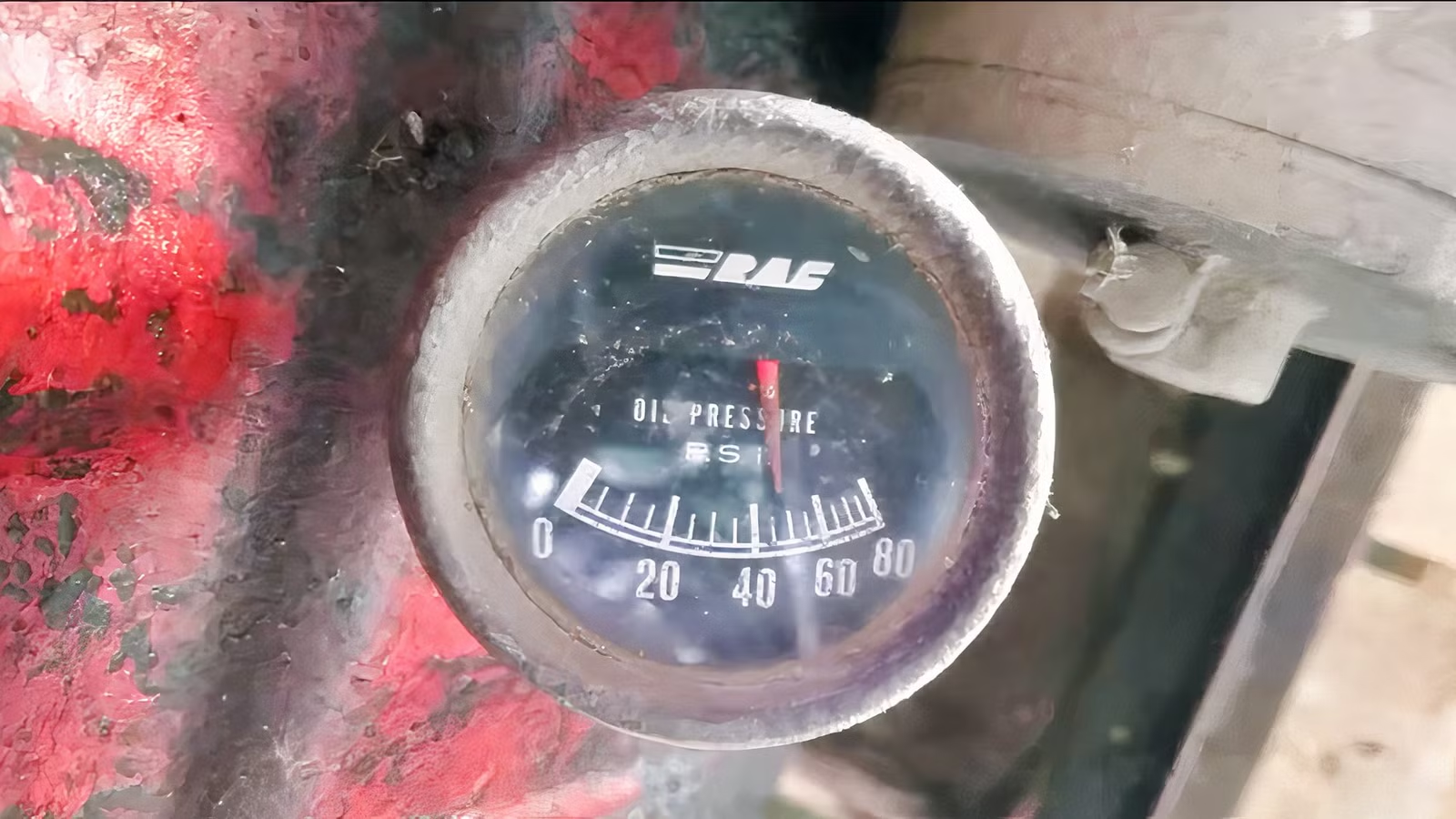
455 lb-ft of gross torque, starting at just 1,000 rpm. In 1958, a GMC gasoline inline-six gave loaded trucks that pull all the way to 1,600 rpm. Its factory literature records output under load, not at idle.

It’s a reminder of when big gasoline engines still hauled freight, yet this six gets little of the affection surrounding workhorse straight-sixes like Ford’s 300. Diesel economics put its future in doubt. GMC would eventually answer with a V12, but even that couldn’t make the fuel bill disappear.
Why Peak Torque At 1,000 RPM Mattered To Loaded Trucks
Picture a loaded truck pulling away up a steep hill, needing force at the wheels before road speed builds. This six reached peak torque at just 1,000 rpm, while its 1958 rating of 217 gross horsepower arrived at 3,000 rpm. The engine could supply its strongest twist without being wound toward that horsepower peak. But getting a heavy truck moving still depended on selecting the right gear, and a steep climb could demand a downshift.

Lower gearing traded speed for pulling force, letting the wheels turn more slowly with more torque behind them. The gearbox and rear axle worked together to turn the engine’s low-speed output into force that could move the load. Change the load, tire size, or slope, and the demands change too. A big torque number couldn’t flatten the hill.
Those factory figures need care: GMC also listed 442 lb-ft of net torque at 1,000 rpm, a separate measurement from the gross rating. And low-speed pull wasn’t permission to let the engine struggle in too high a gear. Keeping it within its useful operating range mattered more than seeing how far the revs could fall before reaching for the gear lever.
That Low-Speed Pull Came From A Heavy-Duty Gas Engine

This gasoline six worked in heavy trucks and buses, where pulling power had to earn its keep every day. It belonged to GMC’s larger gasoline engine family, separate from the smaller sixes remembered for military service. Sharing a badge didn’t make them interchangeable, any more than Chevrolet’s later truck sixes could simply take the place of these older giants.
Diesel wasn’t some distant threat, either. Historian Donald E. Meyer lists Detroit Diesel 4-71 and 6-71 engines in GMC’s 1949 heavy-truck range alongside its gasoline choices. Buyers could weigh both fuels under the same badge, with the decision coming down to the truck’s job and what it would cost to keep working.
By 1958, Meyer describes GMC fleet tests with a Detroit Diesel engine set to run at lower speeds, saving fuel while still delivering satisfactory performance. That’s stiff competition for a big gas six. Pulling a heavy load was only half the argument; a fleet operator also had to pay for the fuel burned between one delivery and the next.
The GMC 503 Was The Forgotten Giant Behind The Numbers

Meet the GMC 503: 502.7 cubic inches, about 8.2 liters, packed into six cylinders. That’s more than a liter per cylinder. This overhead-valve gasoline engine belonged to the days when big trucks could still get their muscle at the gas pump. It shared GMC’s large-block family with the 426.
Meyer records it in GMC’s 1949 range, earlier than the 1952 start sometimes given. Available through 1959, it served the 630, 660, 720, and 750 series. The smaller 270 in wartime Deuce and a Half trucks and the 302 in later M135s belonged to another family. The 1954 GMC maintenance manual gives a 4-9/16-inch bore and 5-1/8-inch stroke.
By 1956, it replaced the 426 in the 630 with 205 gross horsepower; the 660 retained 225 gross hp. A 1958 W670 configuration offered a 63,000-pound gross vehicle weight rating. That included the truck and load, not payload alone.
For 1958, GMC fitted a smaller Holley four-barrel carburetor and dropped compression from 6.85:1 to 6.50:1, accepting slightly less power to pursue economy and longer engine life. GMC was chasing cheaper miles, rather than another headline horsepower increase.
A full-flow oil filter replaced the bypass setup, normally filtering oil before it reached the bearings; a relief valve allowed oil around a blocked filter. Inserts protected the pistons’ top ring grooves against wear.
Beyond The 503, GMC’s Bold V6 And V12 Bet Faced Diesel

For 1960, GMC put a new 60-degree gasoline-engine family to work, replacing its main inline-six lineup. V6s covered a range of truck sizes, while the 702-cubic-inch Twin-Six V12 took on heavier jobs. GMC aimed the new gasoline family’s durability pitch straight at diesel territory.
Curbside Classic’s review of period advertising adds the catch: fuel use remained a recurring complaint about the V6/V12 engines, despite economy claims. Those accounts are not a controlled mileage test, so they cannot support one universal mpg figure. Still, an engine promising long life also had to make sense every time its owner bought fuel.
Detroit’s 71-series diesels were already in the fight, and diesel pickup engines would later bring the same cost questions to smaller trucks. Load, gearing, and annual mileage mattered: a local delivery truck and a long-haul tractor offered different chances to recover an engine investment through fuel savings. Those old gasoline engines still have their appeal. The 503 made its case at 1,000 rpm; its successors still had to make theirs at the pump.
Sources: GMC Truck and Coach Division, Donald E. Meyer

Related posts




Latest Post


No Comments