
Yamaha’s Twin Promised Four-Cylinder Smoothness And Earned A ‘Grenade’ Reputation Instead
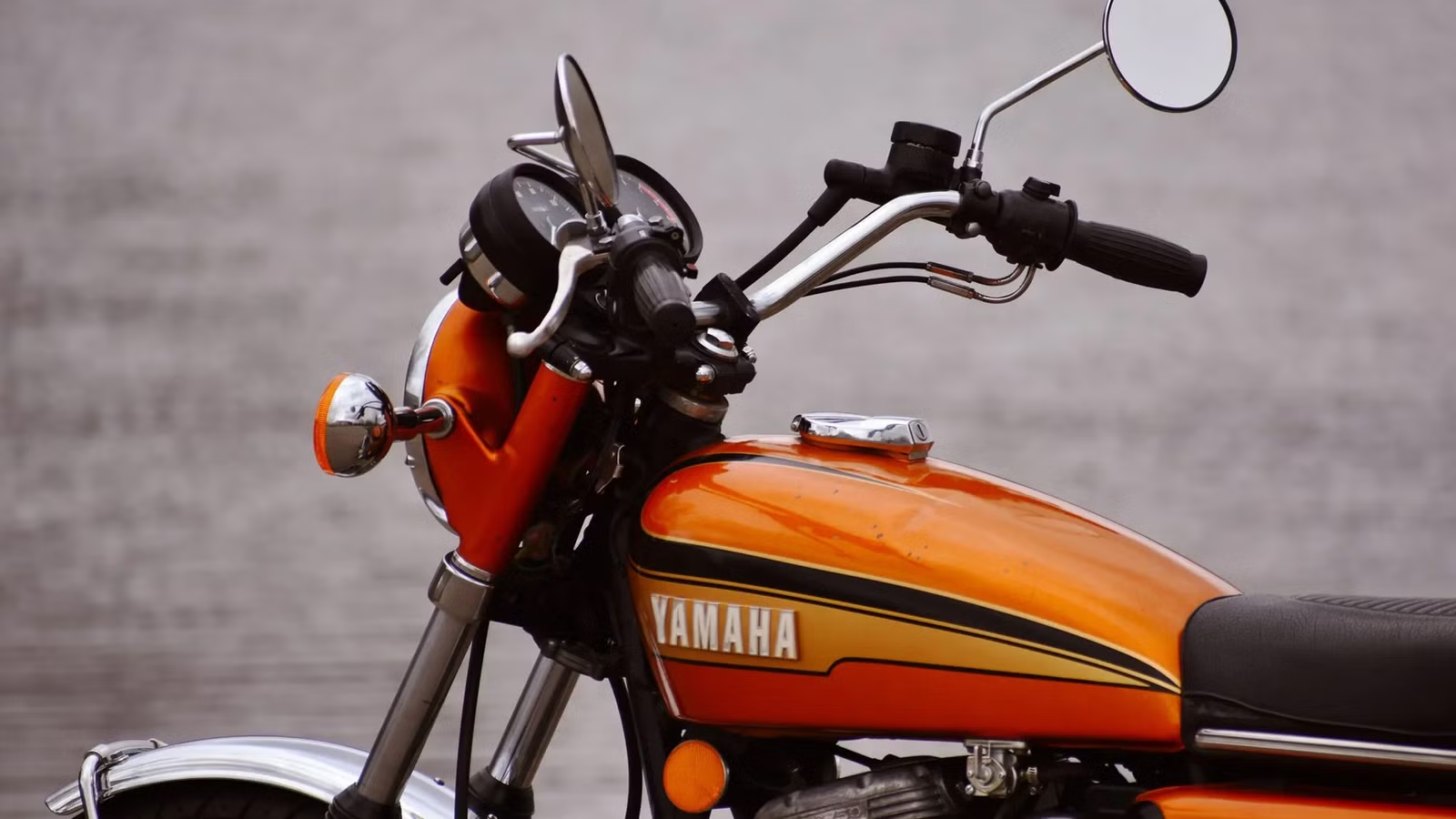
The 1970s were the era of the Japanese inline-four sports bikes. You had four-cylinder motorcycles in various displacement capacities, from the Honda CB400F and CB750 to the Kawasaki Z1 900 to the Yamaha XS1100. It was also the time when Yamaha wanted to try something different – build a motorcycle that delivered the refinement of a four-cylinder superbike, without sacrificing the characteristics of a traditional twin-cylinder engine. It was an ambitious plan, especially at a time when more displacement and more cylinders were considered the pathway to more performance. Yamaha’s motorcycle worked – for a while. Then came reports of catastrophic engine failures that overshadowed its engineering achievements and gave later models a grenade reputation.
Why Yamaha Tried To Challenge The Honda CB750 With A Twin

In the early 1970s, the Honda CB750 and Kawasaki Z1 were prime examples of four-cylinder supremacy, offering impressive power with refinement that traditional British twin-cylinder motorcycles struggled to match. Yamaha took a different approach, setting their sights on riders who loved parallel twins but wanted modern performance with fewer vibrations.
The concept seemed logical. A well-engineered parallel twin could offer narrow packaging, strong mid-range torque, and a distinctive exhaust note, all without the complexity of a four-cylinder motorcycle. The parallel twin came with its fair share of niggles too, like vibration at high revs. To counter the engine’s primary vibrations, Yamaha developed a balancing mechanism. This very mechanism introduced an additional complication. The balancing mechanism was designed to work in close proximity with the engine, and its interaction with the engine’s lubricating system turned out to be a critical point of engine failure.
Yamaha TX750 And Its Notorious Omni-Phase Balancer

Yamaha brought in the TX750 in 1973, equipped with a 743cc, air-cooled, single overhead cam parallel twin engine that delivered a claimed 63 horsepower at 7,500rpm. Performance, which Yamaha claimed, was capable of challenging larger four-cylinder rivals. At that time, it was priced at $1,554, making it a serious value-for-money contender in the growing sports bike market.
The engine’s highlight was its Omni-Phase balancer. It featured two counter-rotating weights, driven by a chain, that were designed to cancel the vibrations associated with the parallel twin crankshaft. It delivered an impressively smooth power delivery, especially for a twin-cylinder motorcycle. In fact, Cycle World’s coverage of the TX750 at the time likened the engine’s refinement to that of a four-cylinder sports bike.
However, there was a major issue with the balancer shaft, especially at sustained high engine speeds. The balancer mechanism would churn the engine oil into foam, introducing air into the lubricant and compromising the oil supply to critical engine components like the bearings and crankshaft. The balancer chain would stretch over time as well, throwing the countershafts out of phase and causing vibrations.
The oil starvation caused the TX750 to earn a reputation for catastrophic engine failure. To negate this, Yamaha introduced extensive warranty and reworked internals, but the damage was done. Yamaha’s sophisticated engine solution had introduced questionable durability for a Japanese motorcycle.
The 1974 Yamaha TX750A’s Major Engineering Updates

Yamaha’s response to the 1973 TX750’s failure was a majorly redesigned 1974 TX750A. The revisions primarily revolved around addressing lubrication and balancer problems that plagued its predecessor. These included a deeper oil sump, an adjustable balancer chain tensioning arrangement, and a factory oil cooler. Other updates focused on improving the engine’s durability and reliability.
The deeper oil sump helped address the issue of oil aeration, while the adjustable balancer chain helped keep the countershafts in precise alignment. The oil cooler, meanwhile, helped keep the engine temperature in check. These updates seemed to have worked. Owner feedback at the time had customers claiming that the new revisions completely eliminated several earlier complaints. Others even praised its touring performance and described the engine as exceptionally strong.
However, the damage was already done. The TX750’s reputation had already tanked, and the motorcycle disappeared after a short production run. Today the motorcycle is an infamous footnote in Yamaha’s history book, as an original design with serious shortcomings.
Why the Yamaha TX750 Never Escaped Its “Grenade” Reputation

The biggest issue with the Yamaha TX750 was not limited to the serious flaws in its original design. It was that these flaws defined the motorcycle’s identity early on in its life cycle. Yamaha introduced an innovative motorcycle, then discovered a costly reliability issue, and did well to rectify those issues. However, correcting a mechanical flaw seemed to be easier than convincing buyers that the TX750 deserved another chance.
The timing didn’t help either. Honda’s CB750 had already established itself as a popular four-cylinder sportsbike while the Kawasaki Z1 was pushing the performance goalpost further. Yamaha’s twin-cylinder motorcycle was supposed to be a more VFM alternative to these motorcycles, but its complicated balancing system turned out to be a liability rather than a competitive advantage.
Ultimately, the TX750 became a footnote, a reminder that engineering innovation has to survive years of real-world use before it can earn a reputation for reliability.

Related posts




Latest Post


No Comments