
The Motorcycle To Buy When You’re Done Chasing Horsepower
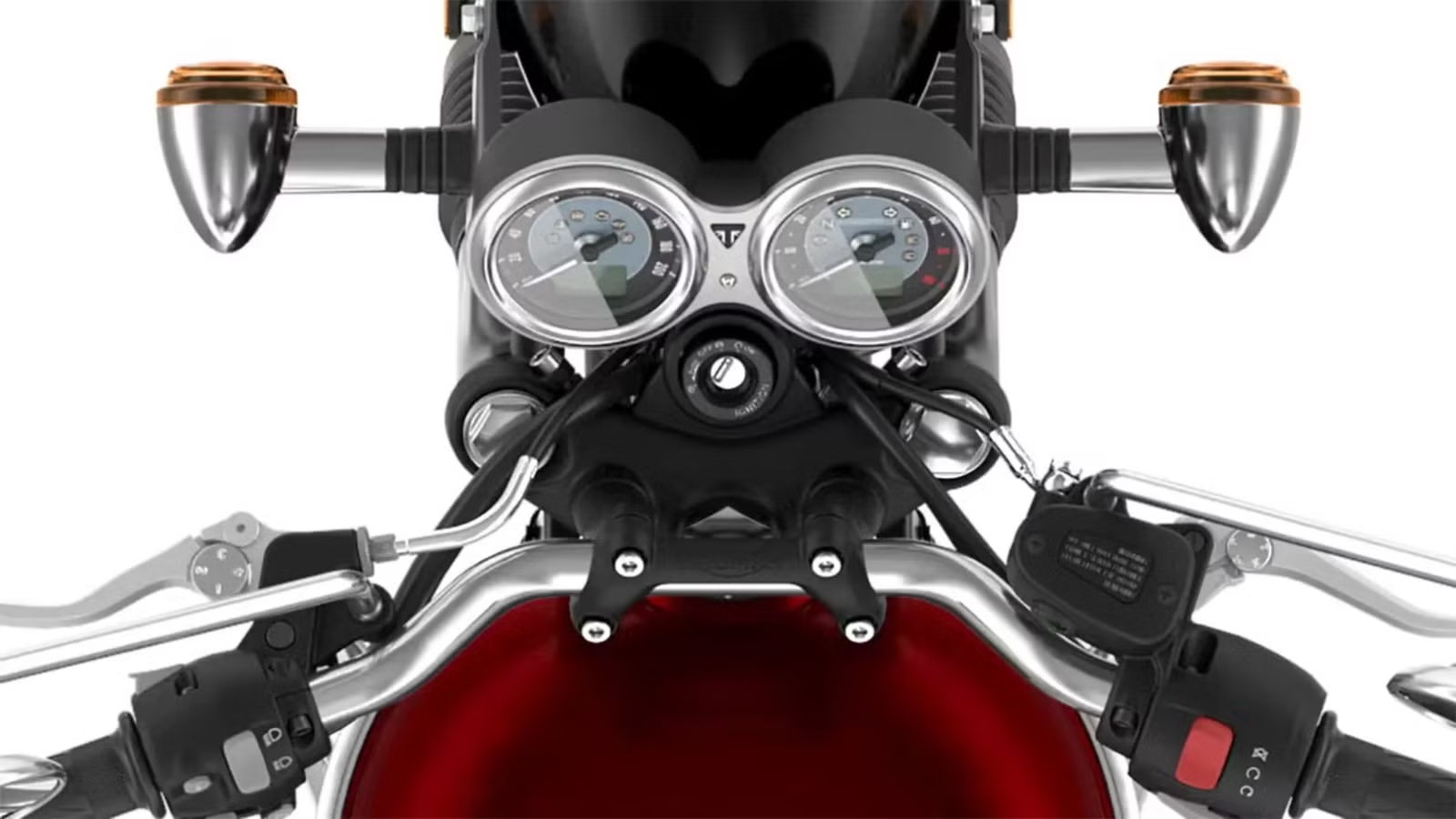
Every rider goes through a phase where they chase numbers and the spec sheet runs the show. Horsepower figures get compared, quarter-mile times get quoted, and any motorcycle that falls short of the latest benchmark risks being labeled a relic. Then, somewhere between a long weekend ride and a slow commute home, the priorities quietly change.

What replaces the chase of numbers is harder to put on paper. Riders start to care about how a motorcycle sounds at idle, how it pulls away from a stoplight, and how it feels after three hours in the saddle. There is one motorcycle that has been making that argument for decades, and it is still on sale today.
Speed Stops Being The Point After A Certain Age
Horsepower is easy to sell because it fits neatly in a headline. A bigger number looks like progress, and the industry has long used it to define what a better motorcycle is. However, that figure describes what an engine does at the top of its rev range, a place most riders visit infrequently and almost never stay. On public roads, the useful part of an engine sits much lower. Pulling out of a corner, passing a truck on a two-lane highway, or merging onto an interstate all call for strong, immediate response rather than a peak number reached at high rpm.


It is this realization that changes the shopping list. Instead of asking how fast a motorcycle can go, the question becomes how good it feels at the speeds people actually ride at. The answer usually comes down to character, comfort, and power delivery that rewards a relaxed right wrist. None of this means giving anything up, as a particular British motorcycle simply asks a different question of its engine.
The Triumph Bonneville T120 Never Needed A Power War To Earn Its Name

The Triumph Bonneville T120 fits that description as well as any motorcycle on sale today. The Bonneville name goes back more than six decades, and in all those years, the T120 has never tried to earn its reputation through sheer output. Triumph introduced it in 2016 as a classic roadster with modern reliability, and that formula has barely changed since.
The styling is a big part of the appeal. A round LED headlight, a tank with traditional lines, and a proportionate twin-cylinder engine give the motorcycle an easy, familiar look from pretty much any angle. Even so, the T120 is not a museum piece, and the 2026 model has plenty of current technology to back that up. The technology just stays in the background, which is exactly where riders at this stage tend to want it.
A 270-Degree Rumble Where Torque Does The Talking

The engine is a 1,200 cc liquid-cooled parallel twin, and its character is the main reason the T120 suits riders who have stopped counting horsepower. The motorcycle makes a modest 78.9 hp at 6,550 rpm, though the more telling figure is the 77 lb-ft of torque that arrives at just 3,500 rpm. Triumph also uses a 270-degree crankshaft, which gives the twin an uneven, burbling note that sounds closer to a classic V-twin than a typical parallel twin.
A six-speed gearbox keeps things relaxed as well. The ratios are well spaced, and with so much pull on offer low in the rev range, the rider rarely needs to hunt for the right gear. At highway speeds, the engine never feels stressed either, which makes quite a difference on longer rides.
Why 79 Horsepower Feels Like Plenty On Real Roads

Seventy-nine horsepower may look modest next to many modern spec sheets, but that comparison misses the point. Strong torque low in the rev range lets the T120 pull cleanly away from a stop and cruise in the top gears at highway speeds without constant downshifts. Overtaking becomes a matter of rolling on the throttle rather than planning the move, which is how most riders actually want a motorcycle to work on real roads.
A Chassis Built For Comfort, Not Lap Times

The chassis follows the same philosophy. At 513.7 lb wet, the T120 is not a light motorcycle, though the weight sits low and the 31.1-inch seat height keeps it approachable at a stop. The suspension is conventional by design, with a 41 mm KYB cartridge fork up front and twin KYB rear shocks, both offering 4.7 inches of travel, and the rear shocks are adjustable for preload. Wheels are an 18-inch front and a 17-inch rear, wrapped in 100/90 and 150/70 tires. Stopping power comes from dual 310 mm Brembo discs up front and a Nissin 255 mm disc at the rear. The end result is a motorcycle that soaks up broken pavement beautifully and stays composed, without ever asking the rider to break a sweat.
Modern Rider Aids Stay Out Of Sight Until You Need Them

Beneath the classic styling, ABS is standard, along with cruise control, LED lighting and an engine immobilizer. Triumph also fits ride modes and switchable traction control, which work quietly in the background. Don’t let the vintage looks fool you, though, as the T120 offers a safety net that older models of the Bonneville simply never had. Some neat practical touches complete the package. This includes a one-piece seat shaped for a rider and a passenger, a center stand, and a USB Type-C port for charging a phone on longer trips.
Why The Bonnie Makes The Most Sense Once The Chase Is Over
The ownership case is where the T120 closes the argument. The 2026 model has an MSRP of $13,995, and its fuel economy is rated at 51 mpg. With a 3.8-gallon tank, that works out to almost 200 miles between fill-ups, which is plenty for a full day in the saddle without having to plan the ride around fuel stops. Triumph covers the motorcycle with a 24-month (unlimited mileage) warranty, and the straightforward mechanical layout should keep ownership uncomplicated.
Maintenance is straightforward too, with service scheduled at 10,000-mile or 12-month intervals. Optional accessories, including a heritage tank bag, soft panniers, engine bars and a sump guard, let owners tailor the motorcycle to the way they ride. For riders who have moved past it, the Bonneville T120 offers a better reward: a motorcycle that feels good at every speed, looks right wherever it is parked, and asks for nothing more than a ride.
Source: Triumph Motorcycles

Related posts



Latest Post


No Comments