
The Kawasaki Hyperbike That Quietly Out-Ran The Hayabusa Under The 186-MPH Limit
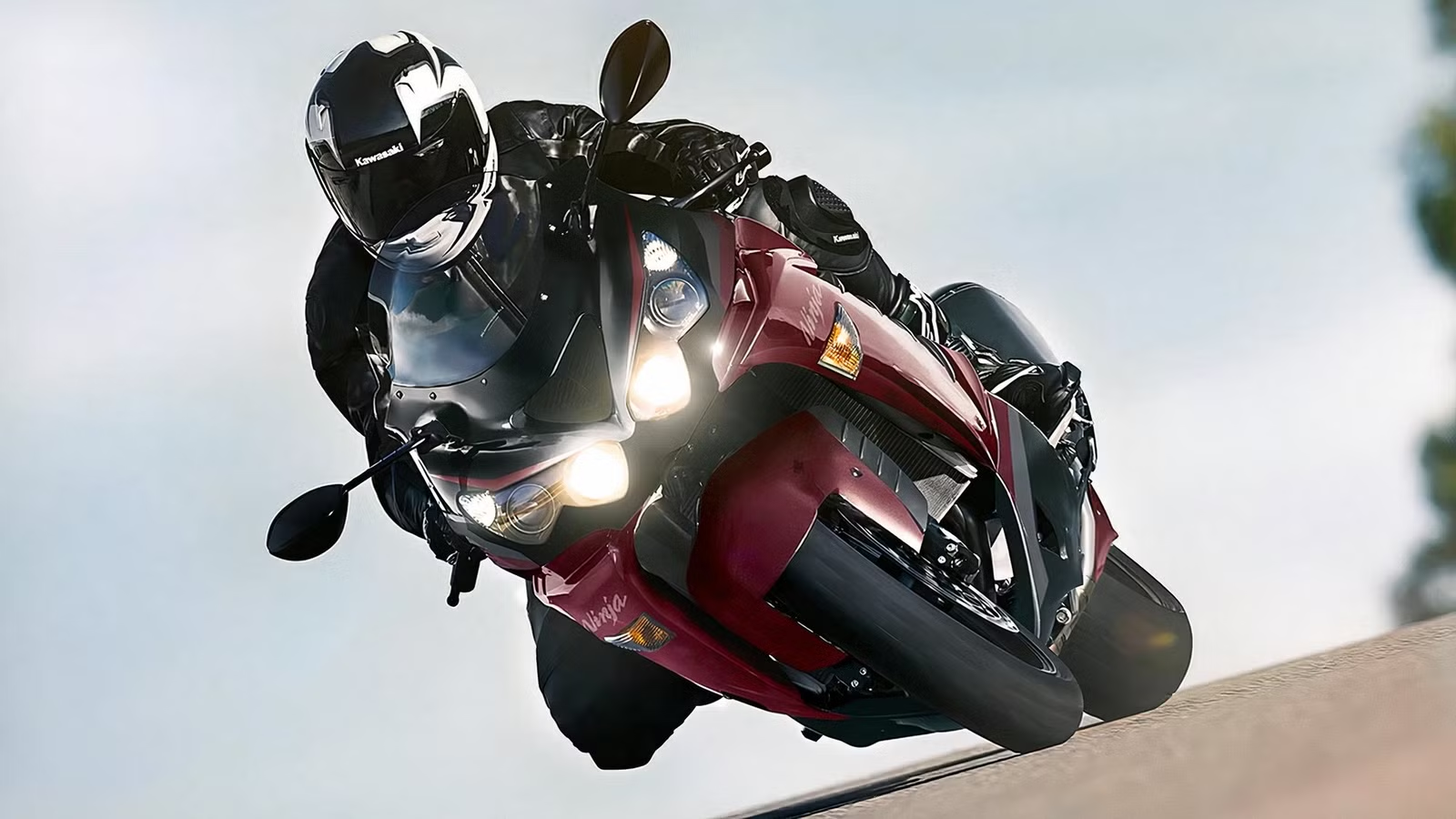
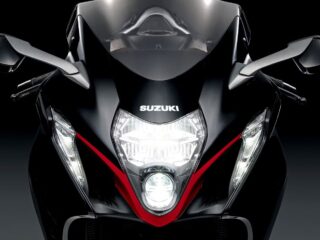
The Suzuki Hayabusa became a legend by reportedly reaching 194 miles per hour in 1999, triggering an agreement among Japanese bikemakers to cap production motorcycle speeds at 186 miles per hour. While the Hayabusa hogged the headlines, its biggest rival was perfecting the hyperbike formula in a different direction. Kawasaki brought more displacement, more rear-wheel horsepower, and electronics designed to manage brutal acceleration, giving it an advantage that went beyond top speed numbers. The focus shifted to the other number that mattered, especially in the drag racing community: quarter-mile times.
How The Suzuki Hayabusa Brought Forth The 186-MPH Gentleman’s Agreement

When Suzuki introduced the Hayabusa in 1999, it changed the rules of the superbike game. Its aerodynamic bodywork, 1,299cc engine, and extraordinary top speed made it a motorcycle that could embarrass superbikes. Period press testing reported top speeds at around 312kmph or 194mph, putting the Hayabusa beyond the limits most bikemakers expected of a road-going motorcycle.
This achievement came with consequences. Under European regulatory pressure, Japanese bikemakers faced a looming challenge of mandatory speed restrictions. Rather than invite stricter norms, major Japanese bikemakers came together to make a voluntary pact: limit the top speed of their production motorcycles to 299kmph (186 mph). This gentleman’s agreement took shape around the year 2000 and fundamentally reshaped the industry’s performance race.
This top speed ceiling did not make hyperbikes irrelevant. Instead, it changed how they looked at other aspects of the speed game. Once top speed was electronically restricted, acceleration, quarter-mile times, engine flexibility, and the ability to deliver power effectively became the new goalposts.

Kawasaki Ninja ZX-14R Vs. Suzuki Hayabusa: Which Hyperbike Was Faster?

The Kawasaki Ninja ZX-14R was the motorcycle that challenged the Hayabusa’s dominance. The 2012 model’s 1,441cc (not to be confused with the previous-gen 1,352cc ZX-14) inline-four engine gave it a displacement advantage over the Hayabusa’s 1,340cc powerplant, and this translated to more power as well. Under dyno testing, the ZX-14R produced up to 210 horsepower (with Ram Air). In comparison, the Hayabusa delivered 194 to 197 horsepower.
Motorcycle.com’s comparison test between the 2012 Kawasaki Ninja ZX-10R and Suzuki Hayabusa reported the Ninja posting a 9.36-second quarter-mile time while the Hayabusa did it in 9.48 seconds. The difference might be just 0.12 seconds, but at that level, it was a meaningful advantage, especially when you consider that the Kawasaki weighs more, at 584 pounds wet, against the Hayabusa’s 573 pounds. The Kawasaki’s extra power output more than compensated during the quarter-mile acceleration test. It was proof that Kawasaki had built a hyperbike capable of beating Suzuki’s finest on the drag strip.
Kawasaki ZX-14R’s Secret Weapon: Engine, Electronics And Aerodynamics

Raw horsepower explains only part of the Kawasaki ZX-14R’s advantage over the Suzuki Hayabusa. Producing close to 210 horsepower is one thing. Delivering it consistently during a hard launch is another thing altogether. With this much performance being put through the ground through a single 190-section rear tire, you can easily lose time through wheelspin, an uncontrolled wheelie, or even an overly cautious throttle input. Kawasaki engineers worked hard at not only delivering the maximum power output, but also ensuring that performance was accessible.
The ZX-14R received Kawasaki Traction Control (KTRC), which monitored wheel spin and helped manage power delivery in slippery road conditions. Its intervention also managed front wheel lift under acceleration. While it did not turn the ZX-14R into an automated drag racer, it gave riders an electronic safety net that made achieving brutal acceleration times a safer probability.
Aerodynamics matters too. The ZX-14R’s broad fairing and round bodywork were designed to manage airflow around a motorcycle built for extreme speeds. The ZX-14R’s monocoque chassis also helped package the large engine and chassis components into a cohesive high-speed platform. The ZX-14R wasn’t just powerful on paper. It was engineered to make most of that power accessible.
Why The Kawasaki ZX-14R is the Forgotten Kind Of The Hyperbike Era

The Kawasaki Ninja ZX-14R arrived at an awkward moment in motorcycle history. The Hayabusa had already secured its hyperbike crown and a place in popular culture, while the 186mph Gentleman’s Agreement had diminished the headline-grabbing top speed numbers that once formed the crux of the hyperbike segment. Kawasaki had built a faster motorcycle, but it could not legally break the original Hayabusa’s top speed thanks to its 186mph electronic top speed limiter.
That makes the ZX-14R’s legacy more interesting than a simple victory over the Hayabusa. It demonstrated that the hyperbike competition had evolved beyond chasing heady top speeds. Under the 186mph equalizer, acceleration and power delivery were the only factors that mattered. The Kawasaki Ninja ZX-14R might never own the Hayabusa’s mythology, but its quarter-mile credentials make it one of the defining hyperbikes of its era.

Related posts

Latest Post


No Comments