
Ford’s Taxi-Fleet Six Is A Cheaper Path To 600 HP Than LS Or 2JZ
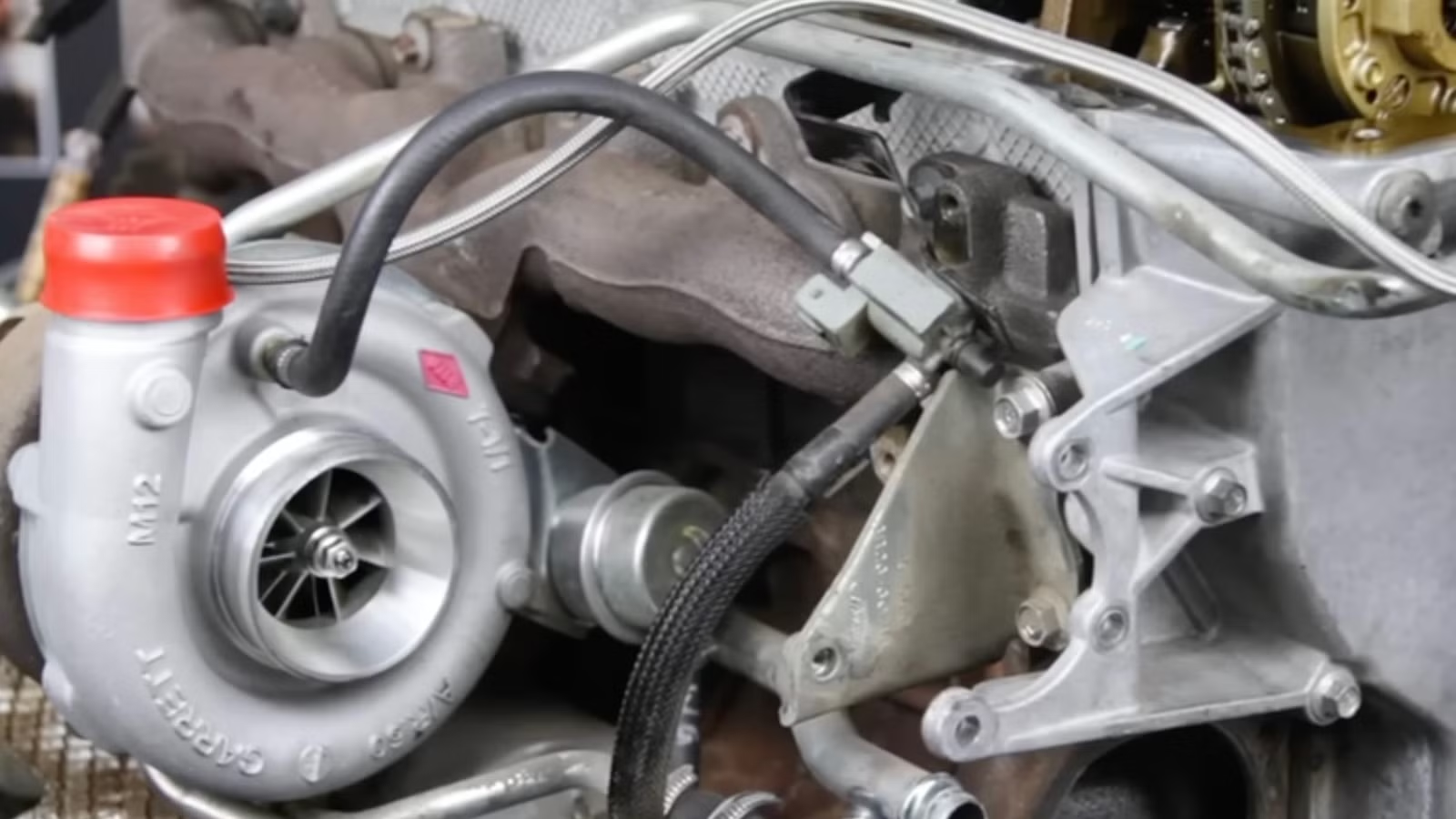
You can stuff stout and reliable power under the hood of your project build for less than the cost of a Honda Civic, or under $15,000. Seriously, you can skip LS and 2JZ engines for an overlooked Ford taxi-fleet option that’s more affordable and extremely durable. However, you might have to fight a kangaroo for it, because this powerhouse comes from the land down under. It is totally worth it, though. Drivers have trusted it for decades.
The Reliable Engine That’s Secretly Built For Boost

The legendary Ford Barra engine was introduced in Australia in 2002. It’s a 4.0-liter dual-overhead-cam (DOHC) 24-valve inline-six internal combustion engine with between 209 and 436 hp and 280 to 425 lb-ft of torque depending on the variant. This Ford Falcon engine was built to withstand unforgiving Australian driving environments.
With minimal care, the Barra engine is known for lasting over 250,000 miles thanks to its robust construction. It features a cast-iron deep-skirt block with an aluminum cylinder head. The closed-deck structure includes cross-bolted main bearing caps to bolster bottom-end rigidity. Plus, it has a rugged, balanced forged-steel crankshaft with heavy-duty internals.
The cylinder head has dual independent Variable Cam Timing (DVCT) to produce up to 60 degrees of range. There are four valves per cylinder with optimized port geometry for increased airflow. Tuners love the Barra engine because it’s ready to handle high-pressure applications with basic supporting mods. For example, it can handle 800 hp on stock internals.


Builds can easily surpass 1,000 hp with stiffer valve springs, larger fuel injectors, and tougher head studs. Documented builds exceed 1,000 hp in street-driven cars. A Barra-swapped Fox Body Mustang here in the United States produces 1,200 hp with an excellent power-to-cost ratio.
Here’s How The Barra Engine Creates Savings

Here is a breakdown of the Barra engine swap numbers. Finding stock or used Barra engines in junkyards typically costs between $1,500 and $2,500. Importing the engine from a specialty supplier can cost roughly $3,300. Unfortunately, shipping or freighting fees are a necessary evil, bringing the total cost to around $3,300 to $5,500 depending on the generation.
Don’t forget to include costs for parts and labor. An entry-level bolt-on turbo build can achieve 500 to 600 hp with an upgraded fuel pump, front-mount intercooler, injectors, and turbocharger. But pushing 700 hp requires an upgraded fuel system, forged internals, and a larger turbo. Realistically, the project could run between $9,000 and $15,000 before adding performance modifications.
The cost of an LS engine swap varies between $4,000 and over $18,000, or even over $30,000 depending on whether you do the work yourself or have it professionally done. Junkyard finds are much cheaper than new crate engines that cost thousands. Also, support parts, wiring, and tuning add between $2,000 and over $4,000.

Then a 2JZ engine swap runs between $8,000 and over $20,000. A salvaged junkyard engine costs between $2,500 and $6,000. Costs for supporting parts like a wiring harness and upgraded turbo kit add thousands to the bill. Then standalone engine management systems and harness integration add another $1,500 to $4,000.
But Not All Barra Engines Are Built Equally

You’ll want to pick the right Barra engine, as they have key generational differences to consider. The BA generation (2002–2005) has the weakest connecting rods and a front-sump-only block. The early generation valve springs can wear out under big boost stress. But the BF generation (2005–2008) has stronger connecting rods.
The FG and FG X generation (2008–2016) variants have the strongest factory internals for high-boost applications. This generation got a massive revamp with overhauled cylinder head port/swirl designs and enhanced cam profiles. Also, the Barra 240T and 270T debuted on the turbocharged platform.
They have a Garrett turbocharger, lower compression pistons, and enhanced exhaust valves. The FG X Series (2014–2016) added special editions like the XR5 Sport and FPV Sprint builds with revised turbo plumbing, updated engine management, and top factory output settings. It’s the ultimate factory evolution of the Barra engine.
Key Barra Swap Factors To Keep In Mind
It’s important to remember that the Ford Barra engine is massive. It has a 4.0-liter displacement and weighs in at 525 lbs. The Barra is 800 mm long and 680 mm tall, meaning it is much longer and taller than Japanese inline-six engines like the 2JZ. Fitting it in an engine bay is tighter than in the Ford Falcon’s and requires custom motor mounts. It could also require transmission tunnel and firewall modifications.
Don’t underestimate wiring. The Barra’s factory ECU and harness are entirely designed to function in the Ford Falcon, so in another chassis, a complete harness rework is necessary. This is a time-consuming project that requires specialist electrical knowledge. The alternative is fitting a standalone engine management system at the start. Also, using a patched factory harness in a swap build leads to intermittent electrical faults that can be extremely difficult to diagnose.
Last but not least, if something breaks, be prepared to wait. Barra-specific parts aren’t easy to find in North America, so you might have to source replacement components from international markets. General repair shops have likely never seen a Barra engine either, so finding a mechanic or community familiar with hands-on knowledge is beneficial for success.
Source: CarBuzz, Motor Junkie, Trimotive Performance

Related posts


Latest Post


No Comments