
We Put The CHEAPEST Body Kit Accessories on a Lamborghini
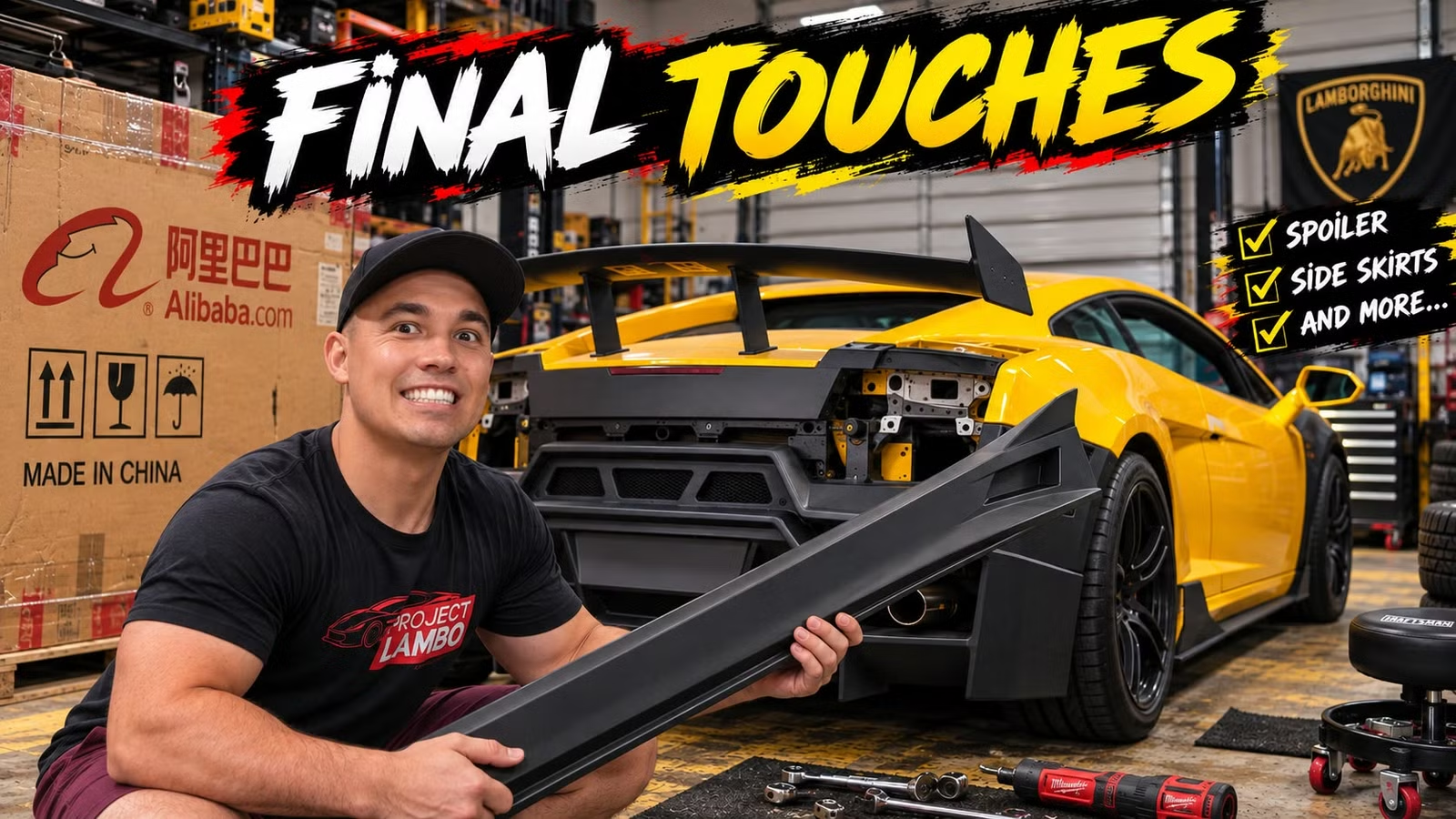
Building a Lamborghini on a budget sounds like a daunting task. Nothing about an Italian supercar is cheap, especially when one tiny plastic keyhole cover somehow costs more than an entire box of actual hardware. That has not stopped the latest stage of our salvage Lamborghini Gallardo build. After fitting affordable Alibaba body panels to the front and rear, the Schmodified crew has now tackled the neglected sides and broken factory wing. The solution involved a massive fiberglass spoiler, inexpensive side skirts, $20 worth of bolts, plenty of drilling, and several moments spent underneath the car questioning every major life decision. Somehow, the finished Gallardo looks far better than it has any right to.
The Gallardo’s Broken Factory Wing Had To Go

The 2007 Gallardo originally came with an adjustable rear wing, but this one had not worked for a very long time. Removing the plastic covers revealed exactly why. The lines responsible for moving the wing had been disconnected on both sides and at the motor. The backup camera wiring had also been chopped, meaning that little camera was never going to show anything except darkness and regret.

Rather than trying to resurrect the factory system, Saxon removed the dead motor, disconnected hardware, and other useless components. The entire assembly looked like an alien had crawled into the Lamborghini’s rear end and died there, but pulling it out also removed several pounds of unwanted weight. In its place went a much larger fiberglass wing. The affordable part arrived with some holes pre-marked, although apparently drilling them was left as a fun activity for the customer.
Once assembled, adjusted, and tightened, the spoiler looked surprisingly natural on the Gallardo. The small winglets push things toward aftermarket territory, but the overall design really does suit the car without making it look tacky.

Cheap Side Skirts Required Expensive Levels Of Patience
The side skirts presented a different problem. They looked good against the Gallardo, but simply firing self-tapping screws into the soft plastic underneath would have been a spectacularly lazy way to install them.
It also could have resulted in the skirts flying off at speed and becoming somebody else’s problem. Saxon temporarily positioned each piece using a floor jack, drilled the mounting points, and used self-tapping screws to mark every hole. The skirts then came off again so proper threaded inserts could be fitted into the factory plastic.
That process required carefully cutting small slots without removing too much material and weakening the structure. There were 10 bolts on each side, so what looked like a quick cosmetic upgrade became a lengthy session of drilling, cutting, fitting, removing, and reconsidering the hobby of modifying Lamborghinis.
Thankfully, the extra work paid off. Once properly secured, the skirts sat evenly, felt sturdy, and visually connected the aggressive front and rear bodywork. They do not look like cheap plastic accessories loosely attached to an exotic car. More importantly, they should remain on the Lamborghini when it begins moving faster than a lawn tractor.
The Cheapest Parts Were Not The Most Ridiculous Expense

The funniest part of the episode had nothing to do with the enormous spoiler or side skirts. A tiny factory keyhole cover was missing when the Gallardo arrived from New Zealand, and finding a used replacement proved impossible. The new plastic cover cost $80 and took roughly three weeks to arrive. Naturally, it appeared to be worth approximately two cents and did not fit properly without glue. Welcome to the Lamborghini tax, where a tiny piece of black plastic costs more than all the mounting hardware used for the major body parts.

Excluding that glorified plastic bottle cap, the episode required only around $20 in bolts from Amazon. The wing and side skirts were already part of the larger body kit purchase, making this another relatively inexpensive stage of the build.
There is an important catch, though. Cheap body parts save money by transferring the cost into your free time. They may need drilling, trimming, reinforcement, repeated test fitting, and enough patience to prevent a wrench from becoming airborne. Still, the gamble worked. The Gallardo now has a far more aggressive stance, its broken factory wing is gone, and the budget accessories look shockingly convincing.
The next stage will finally tackle the lighting, including custom pieces 3D-printed in Italy. That should bring the Lamborghini another step closer to looking like one complete supercar instead of several questionable internet purchases sharing a garage.

Related posts



Latest Post


No Comments