
Rolls-Royce Is Torture-Testing This Trunk By Opening And Closing It 15,000 Times
Rolls-Royce
Project Nightingale enters a global testing program ahead of 2028 production, with Rolls-Royce spending hundreds of hours fine-tuning the electric convertible.
Article Summary
- Testing will span 350 weeks and include extreme temperatures, high altitudes, and speeds of up to 155 mph (250 km/h).
- Static prototypes have already spent 1,430 hours during aerodynamic modeling and wind-tunnel testing.
- The running cars will endure extreme temperatures and altitudes of up to 2,750 meters (9,022 feet).
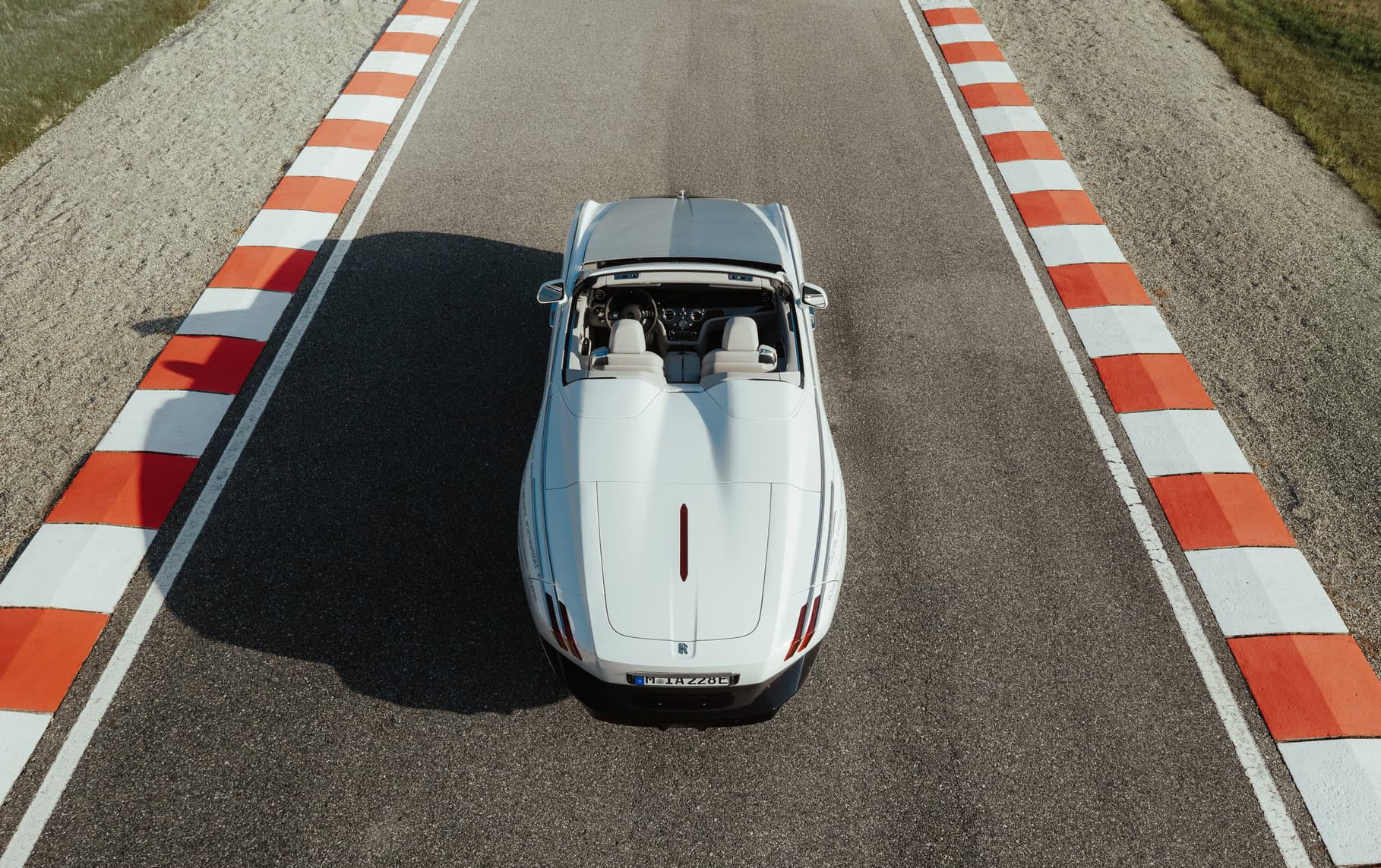
Rolls-Royce has built some truly outrageous one-off cars over the years, but Project Nightingale takes bespoke luxury to another level. The first model from the company’s new Coachbuild Collection is now entering a global testing program, marking the next major step toward production of just 100 customer cars.
We originally saw Project Nightingale in April as an open-top, two-seat electric grand tourer unlike anything else in its lineup. Now, the British automaker, part of the BMW Group, is preparing prototypes for what it describes as one of the most rigorous testing programs in the company’s history. That’s probably not surprising considering each of the 100 cars will be hand-built at Goodwood and offered exclusively to invited clients.

The testing program will cover 350 collective weeks and take the prototypes from Southern Europe to the Arctic Circle and the deserts of the Arabian Peninsula. Engineers will expose the car to extreme temperatures and altitudes of up to 9,000 feet (2,750 meters), essentially making sure this very expensive piece of automotive sculpture can be driven anywhere its owners fancy.
The Piano Boot
Then there’s the Piano Boot, one of Project Nightingale’s coolest party tricks. The split trunk opens sideways on a cantilever mechanism, and Rolls-Royce will cycle it up to 15,000 times. No, that’s not a typo. That’s a lot of opening and closing. Still, presumably nobody buying one of these cars wants to discover that the trunk has developed a squeak on what is presumably a multi-million-dollar EV.

Plenty of high-speed testing is on the agenda as well. Before hitting the road, Project Nightingale completed more than 1,430 hours of aerodynamic modeling, including digital simulations and wind-tunnel work. The next phase will see the electric Rolls-Royce reach speeds of up to 155 mph (250 km/h) at a private high-speed testing facility.
Naturally, going fast isn’t enough. Rolls-Royce is also working to keep the car exceptionally quiet at speed, with engineers focusing on reducing wind noise to barely perceptible levels. An electric wind deflector has been developed specifically for Project Nightingale to prevent turbulent air from entering the cabin when the roof is down.
Rolls-Royce Also Torture-Tests The Roof
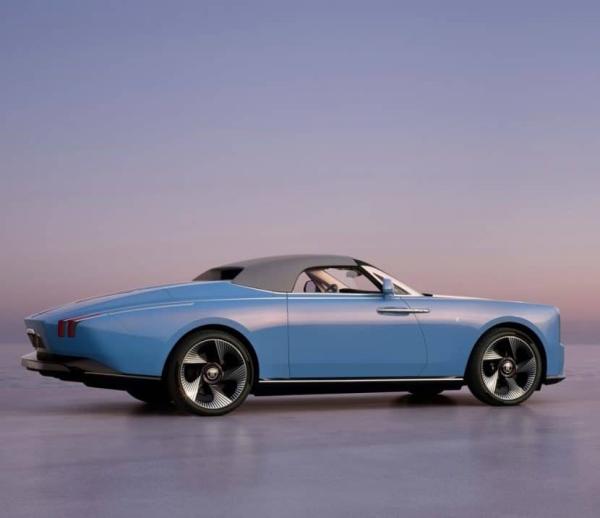
Even the roof gets its own torture test. Its sound-deadening material combines cashmere, fabric, and high-performance composites, while Rolls-Royce will test the folding mechanism in temperatures as high as 176 degrees Fahrenheit (80 degrees Celsius). The idea is to ensure the roof continues to operate perfectly wherever the owner takes the car.
The testing program isn’t just about collecting data, either. Rolls-Royce says its engineers will ultimately rely on their experience and judgment to determine whether the car delivers the serenity and effortless character expected from the marque. In other words, a computer can tell you plenty, but it apparently can’t tell you whether a Rolls-Royce feels Rolls-Royce-like sufficiently.
Deliveries start in 2028.

Related posts




Latest Post



No Comments