
Why the UK must rethink its EV rules (and learn from China’s hybrids)
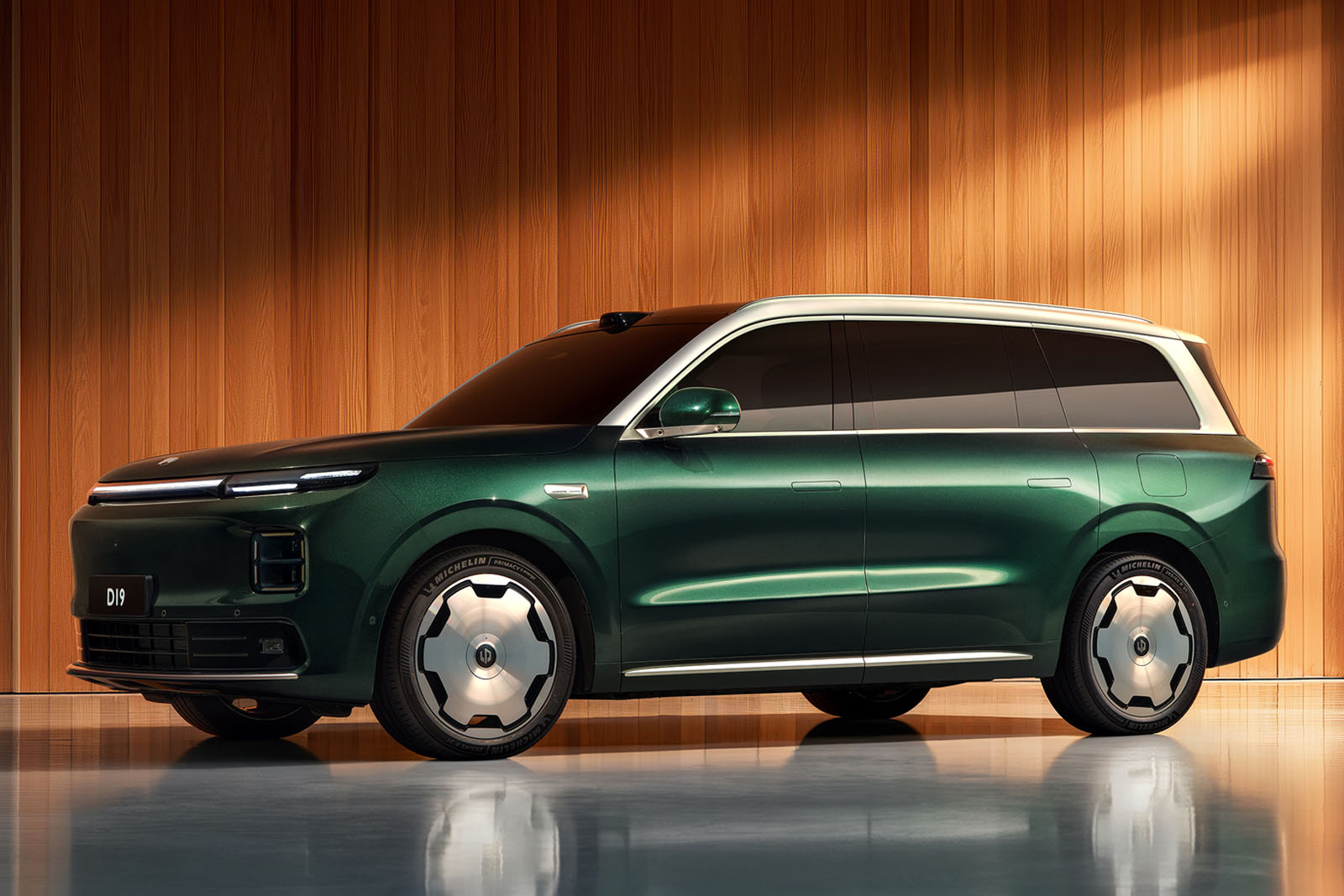
Big-battery range-extenders give customers the flexibility they need to feel confident in making the switch

Earlier this year, Stellantis-backed Leapmotor launched in China a plug-in hybrid model with what it said is the world’s largest battery yet to be fitted to a car also powered by a combustion engine.
The D19 large SUV comes with a CATL-supplied 80.3kWh battery, larger than those fitted to most pure-electric cars. On the rare occasions you exceed the claimed 311-mile electric range, a 1.5-litre petrol engine joins forces.
The UK should take note. The EU has already opened the door to these so-called range-extender EVs with its proposal to relax its 2035 CO₂ emissions reduction targets to 90% rather than 100%.

Car makers could of course blow the whole lot on a handful of V8s – and some no doubt will. But others will utilise the new wiggle room to entice range-nervous buyers with what are essentially electric models that also include a small petrol engine.
The UK should think about doing something similar as it reappraises the ZEV mandate.
The trend for range-extender EVs sprung up in China and largely remains there. Models like the Lotus Eletre X and related Zeekr 9X, with their 70kWh batteries, are playing to the needs of largely wealthy city-bound customers who dream of longer-range adventures.
“PHEVs used to be the worst of both worlds,” one customer of the new Geely Galaxy M9 large SUV, with its 41.5kWh battery, told Autocar. “Now it’s the best.”
Broad legislative approval for range-extender EVs would be welcomed by global premium brands such as JLR. Right now these companies’ planners are frantically looking for that one drivetrain that might work globally in a fractured world. The big question is what happens in the US after Donald Trump’s final presidential term finishes at the end of January 2029. That might seem like a depressingly long way off for anyone looking for global stability, but it’s not if you’re planning a new model now.
A potential future Democrat administration would be expected to restart the country’s climate commitments, which would require electrified solutions again. That could explain why JLR has reportedly put the Defender’s planned replacement on ice.
For the UK and EU to signal tacit approval of range-extender EVs would bring some relief to planners trying to appeal to European, Chinese and potentially American buyers.
There are still issues. Currently, Chinese range-extender EVs with the biggest batteries are massive – the size of a Range Rover. Batteries are also improving to the point that an extra powerplant is becoming redundant. But as a global vehicle, they offer the best hope.

Related posts

Latest Post



No Comments