The British Sports Car With A Toyota Engine That Outhandled A Porsche Boxster
7 minutes reading
Thursday, 20 Aug 2026 16:00 0 4 autotech
British sports cars like the TVR Tuscan, MG F, and Triumph TR7 have always dazzled with their lightweight engineering and sharp handling, but reliability was rarely part of the deal. For decades, enthusiasts faced a choice: thrilling British dynamics or dependable Japanese engineering, and rarely both. That changed when a small British manufacturer partnered with Toyota, pairing a revered four-cylinder engine with a featherweight chassis. The result was a car that proved a hand-built British sports car could also be reliable enough for daily use.
By the early 2000s, British sports cars faced an identity crisis. Enthusiasts continued to celebrate their lightweight construction and engaging handling, but many buyers were becoming reluctant to overlook persistent reliability concerns. For low-volume manufacturers, developing an all-new engine wasn’t just technically challenging—it was financially unrealistic. Rather than following the traditional route, Lotus chose a different solution.
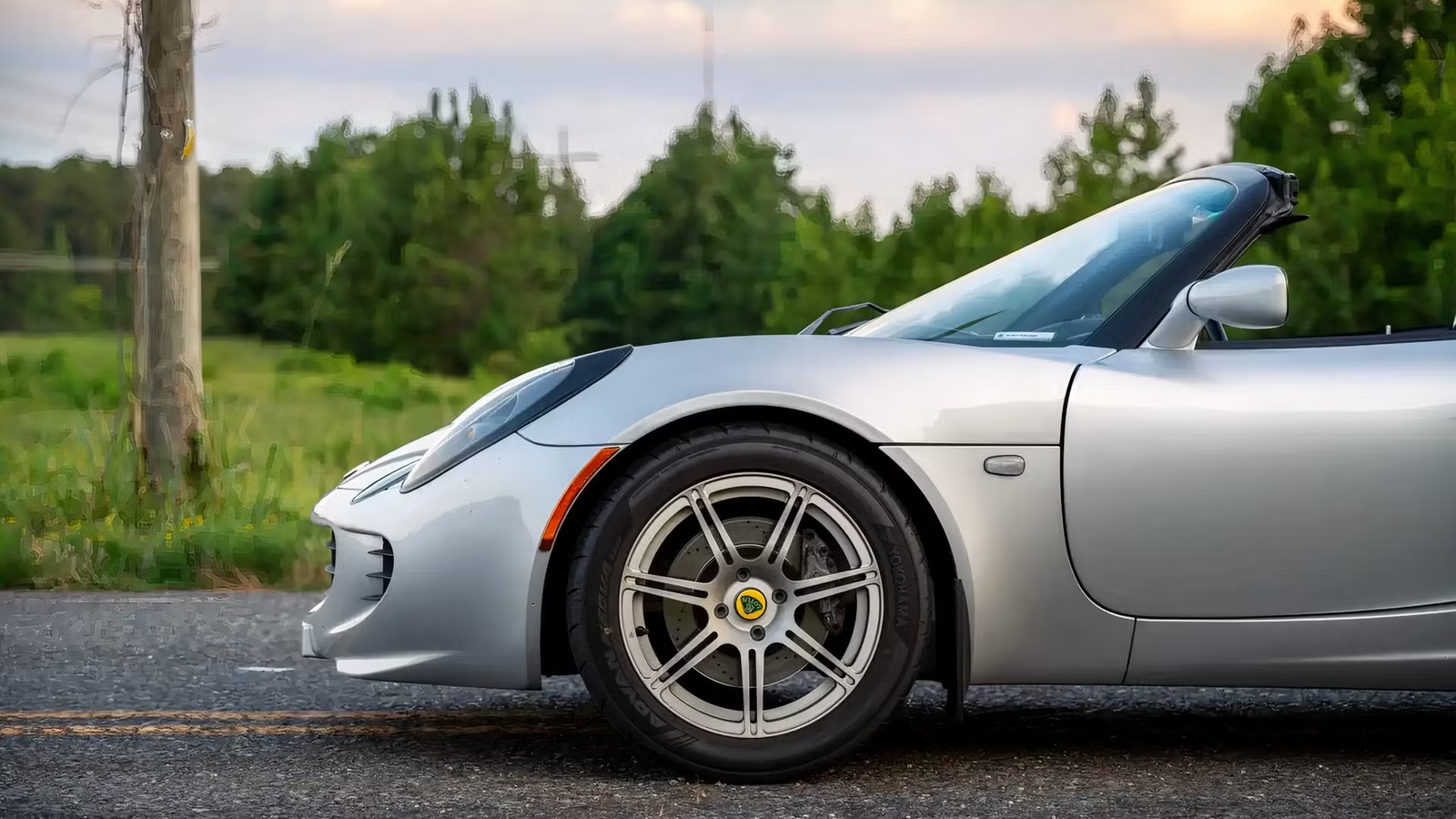
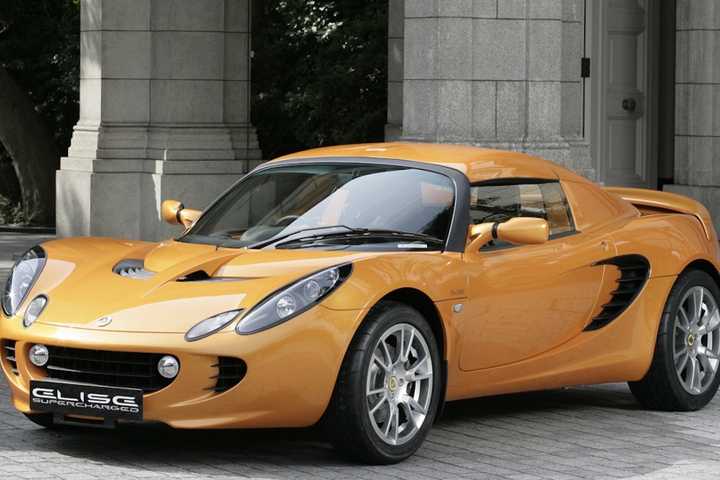
2005 silver Lotus Elise Series 2 front 3/4 shotBring A Trailer
Fast-forward to the Lotus Elise Series 2, which debuted in 2004 and adopted Toyota’s 1.8-liter 2ZZ-GE naturally aspirated four-cylinder. Shared with performance-oriented models such as the Toyota Celica GT-S, Corolla XRS, and Matrix XRS, the engine produced 189 horsepower at 7,800 rpm and 133 pound-feet of torque. Toyota’s VVTL-i variable valve timing system also gave it the free-revving character Lotus wanted without compromising dependability.
2004 Lotus Elise Series 2 Engine BayBring A Trailer
More importantly, it changed the Elise’s reputation. Earlier Rover K-Series-powered cars had earned admiration for their chassis but also criticism for long-term durability. The Toyota powertrain solved one of the biggest ownership concerns overnight. As Road & Track later noted in its buyer’s guide, the 2ZZ-GE proved to be an “essentially bulletproof” drivetrain, giving buyers confidence that they could finally enjoy the Elise without worrying about what lay beneath the engine cover.
How A 1,900-Pound Chassis Beat Cars With Twice The Horsepower
2005 silver Lotus Elise Series 2 Rear ShotBring A Trailer
At first glance, the Elise’s specification sheet looked underwhelming; it gave away significant power to rivals such as the Porsche 987 Boxster, BMW Z4, and Nissan 350Z. The numbers, however, only told half the story. Weighing between 1,896 and 1,950 pounds, depending on specification, the Elise was hundreds of pounds lighter than almost everything it competed against. A contemporary Porsche Boxster tipped the scales at around 2,800 pounds, while the BMW Z4 and Nissan 350Z were heavier still. That dramatic weight advantage transformed every aspect of the driving experience, from acceleration and braking to steering response and cornering agility.
Performance was anything but slow. Contemporary tests by Road & Track recorded 0–60 mph in as little as 4.7 seconds; the Elise went on to a top speed of approximately 150 mph. Those figures placed it firmly among far more powerful sports cars despite relying on a naturally aspirated four-cylinder. That philosophy perfectly reflected the thinking of Lotus founder Colin Chapman, whose famous mantra, “Simplify, then add lightness,” led Lotus to concentrate on removing unnecessary weight, allowing modest power to deliver exhilarating performance.
The Lotus Elise Made The Porsche Boxster Work Harder
Why Every Elise Owner Describes The Same Feeling No Modern Sports Car Can Replicate
A static profile shot of a white Porsche Boxster parked on a racetrackPorsche
The Porsche 987 Boxster remains one of the benchmarks for affordable sports cars. It offered a beautifully balanced mid-engine chassis, a more refined cabin, and considerably greater everyday usability than the Elise. Contemporary 987 models also produced between 240 and 295 horsepower, comfortably eclipsing the Lotus on paper. Yet when the road began to twist, the Elise often became the more rewarding car to drive.
Its Secret Wasn’t Horsepower—It Was Communication
2004 Lotus Elise Series 2 interiorBring A Trailer
Every Elise was built around a bonded aluminum chassis that was exceptionally stiff yet incredibly light, allowing the suspension to do its job with precision. Combined with its mid-engine layout and unassisted hydraulic steering, the car transmitted an extraordinary amount of information back to the driver.
Every steering input, throttle adjustment, and change in road surface could be felt through the wheel and seat, creating a level of connection that few modern sports cars have managed to replicate. Even on PistonHeads, long-time owners regularly describe the Elise as one of the most communicative driver’s cars ever built—high praise considering the company it keeps.
2005 Green Lotus Elise Series 2 Side ShotBring A Trailer
None of this diminishes what the Boxster achieved. The Porsche Boxster is far more polished. Its interior was more substantial, refinement was on another level, and it offered the kind of polish expected from a premium German sports car. But the Elise wasn’t trying to beat the Boxster at its own game. Instead, it focused on delivering the purest possible driving experience. With no unnecessary weight and no overly intrusive electronics, it rewarded smooth, precise inputs in a way few rivals could match.
The Toyota Engine Is Reliable, The Rest Of The Car Requires More Attention
Ownership Isn’t Quite As Simple As A Toyota
Blue 2004 Lotus Elise Series 2 Rear ShotBring A Trailer
Ironically, the least exotic component of the Elise is also its most dependable. Toyota’s 2ZZ-GE four-cylinder has earned a reputation for exceptional durability. With routine oil changes and regular servicing, it’s capable of covering high mileages without the catastrophic failures that tarnished the reputation of the earlier Rover K-Series-powered Elise. That proven reliability is one of the biggest reasons enthusiasts actively seek out the Toyota-powered cars today.
Better still, servicing the engine doesn’t require exotic-car budgets. Many mechanical components are shared with Toyota’s performance models, making replacement parts easier to source and generally more affordable than those fitted to many low-volume European sports cars. The same can’t be said for the rest of the car.
2005 Green Lotus Elise Series 2 Front ShotBring A Trailer
The Elise’s lightweight composite front and rear clamshell body panels remain one of its biggest ownership risks. Unlike conventional bumpers and fenders, each clamshell is a single molding, meaning even relatively minor accident damage can result in repair bills running into five figures.
According to Road & Track’s buyer’s guide and long-running discussions on PistonHeads, damaged clamshells are among the quickest ways to turn an affordable Elise into an expensive project. Age is another consideration. While the Toyota drivetrain is robust, suspension bushes, dampers, ball joints, and electrical components deserve close inspection on any used example.
Documentation Matters More Than Mileage
2005 Silver Lotus Elise Series 2 Rear ShotBring A Trailer
A well-maintained Elise with a comprehensive service history is almost always a better buy than a low-mileage example with an uncertain past. Buyers should also inspect the bonded aluminum chassis carefully for accident damage, as repairs are both technically challenging and costly.
The Toyota-Powered Elise Has Become A Future Classic
Why Preserved Examples Are Crossing $40,000 At Auction
2005 Silver Lotus Elise Series 2 Full ShotBring A Trailer
2005 Lotus Elise Series 2 cabinBring A Trailer
Browse recent Bring a Trailer auctions, and it’s clear why. Well-preserved, low-mileage examples regularly sell for more than $40,000, while exceptional, highly original cars have crossed the auction block for more. That appreciation isn’t simply about rarity. It reflects a shift in what enthusiasts value. As modern sports cars have grown larger, heavier, and increasingly dependent on turbocharging, digital interfaces, and electronic driver aids, the Elise has remained refreshingly honest.
The Toyota engine is a major reason the Elise has reached this point. Earlier models earned admiration for their chassis but were often overshadowed by concerns over long-term reliability. The introduction of the 2ZZ-GE removed that uncertainty, delivering one of the purest driving experiences available at any price. The Toyota-powered Elise didn’t just borrow Japanese reliability—it preserved one of Britain’s greatest sports cars, ensuring future generations could experience it exactly as Lotus intended.
Base Trim Engine
1.8L Inline-4 Gas
Base Trim Transmission
6-Speed Manual
Base Trim Drivetrain
Rear-Wheel Drive
Base Trim Horsepower
189 hp
Base Trim Torque
133 lb-ft @ 6800 rpm
Fuel Economy
21/27 MPG
Make
Lotus
Model
Elise
Segment
Sports Car
Sources: Lotus, Bring a Trailer, PistonHeads, Supercars.net










No Comments