
The Family SUV That Delivers Range Rover Comfort With Toyota Reliability
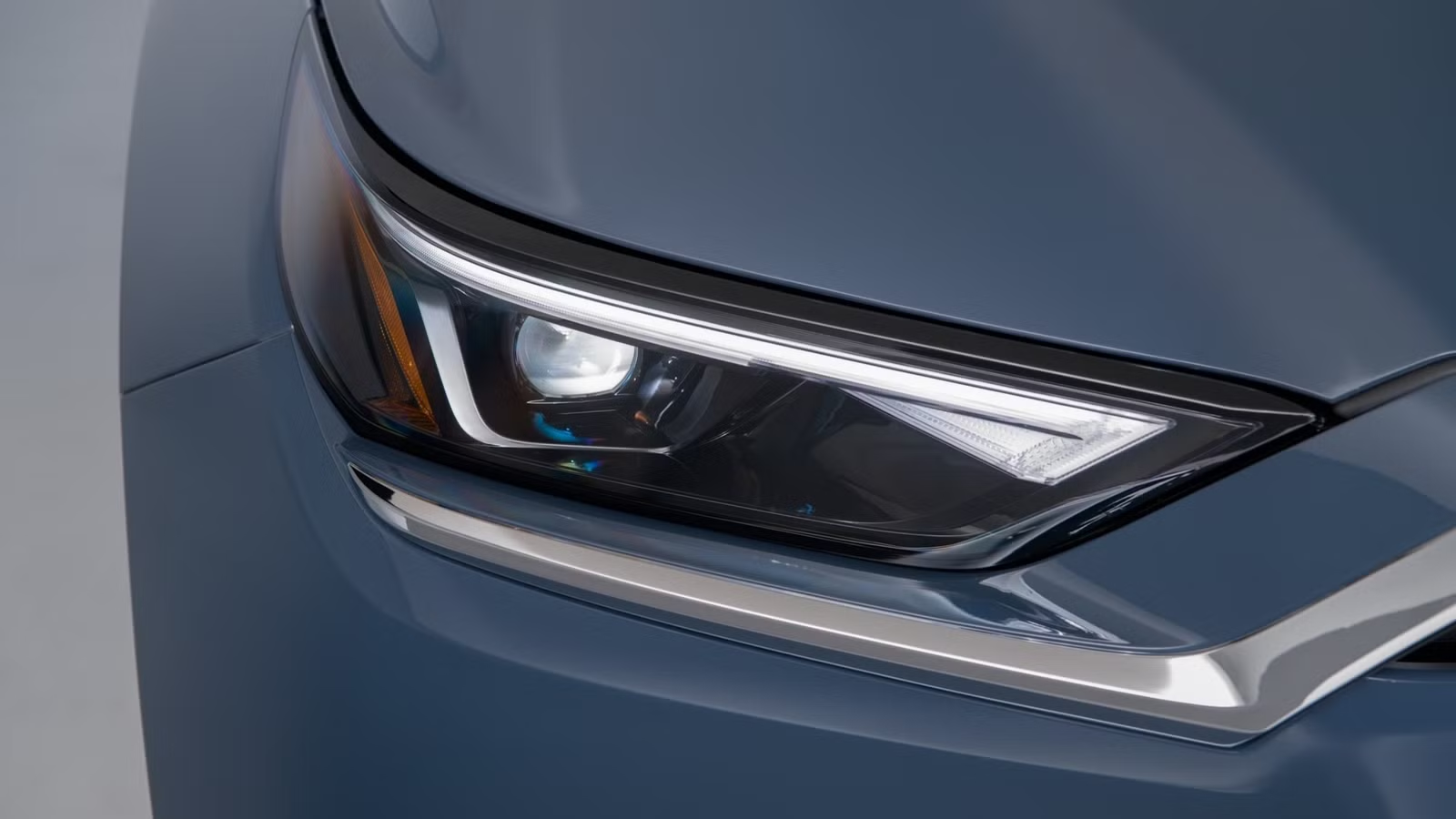
Luxury has never been more attainable, but true luxury isn’t measured by an expensive badge or a six-figure price tag. It’s found in the way an SUV glides over broken pavement, keeps road noise at bay, and leaves every passenger feeling relaxed after hours behind the wheel. The challenge is that many premium SUVs demand equal premium maintenance bills once the warranty expires. That’s why one family-focused SUV has become such an intriguing alternative—it delivers much of the serene comfort buyers expect from a Range Rover while offering the kind of long-term dependability that has made one brand a household name.
What Makes An SUV Feel Truly Premium?
Ride Quality Matters More Than Horsepower

SUVs that ride like trucks are no longer desirable. Instead, many drivers search for SUVs that share platforms with sedans and ride smoothly and comfortably like cars. This has made suspension tuning an important factor in vehicle purchases. An SUV that has excellent body control, a quiet cabin, and comfortable seats is much more enticing to families than highly capable off-roaders.
For years, drivers had to turn to high-end luxury brands, like Range Rover, for the comfort they desired. In today’s market, that’s no longer the case. Many mainstream SUVs feature adaptive dampers, rigid chassis construction, and excellent suspension tuning to deliver compliant, smooth, and enjoyable driving experiences. What used to be reserved for luxury SUVs has become an expectation among mainstream family SUVs.
Long-Term Reliability Is The Ultimate Luxury Feature

How often is your SUV in the repair shop? How much does each maintenance visit cost? While these questions are often forgotten when at the dealership, they are important, especially to families looking for an SUV that fits their budget and provides dependable daily transportation. When it comes down to the choice between reliability and brand prestige, smart shoppers choose reliability.

Thankfully, there’s at least one SUV that reaches into premium levels while offering affordable ownership costs and impressive reliability scores. This SUV wears a recognizable badge while offering comfort and features that feel well beyond its mainstream foundation.
Meet The Toyota Grand Highlander Hybrid Max
Why It Feels More Expensive Than It Actually Is

The Toyota Grand Highlander is available with three powertrains, but the most powerful and impressive is the Hybrid Max. This powertrain is offered exclusively on the top two trims of the Grand Highlander, Limited and Platinum, which is why the SUV feels much more expensive than it actually is when the Hybrid Max powertrain is used.
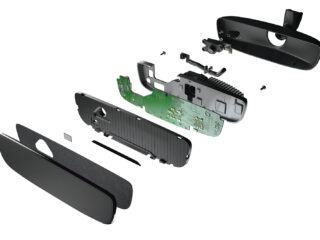
The Limited trim takes the features of the XLE model and builds on them with 20-inch wheels, a hands-free power liftgate, leather upholstery, ventilated front seats with driver’s side memory settings, a heated steering wheel, heated second-row seats, a full digital instrument panel, ambient interior lighting, an 11-speaker JBL sound system, front and rear parking sensors, and front and rear automatic braking. The Platinum trim goes even further by adding a panoramic sunroof, leather and synthetic suede upholstery, ventilated second-row seats, a head-up display, a digital rearview mirror, a 360-degree parking camera, and Traffic Jam Assist.

These features certainly look like the kind you might expect to find on most luxury SUVs, especially a few years ago. Thankfully, the Hybrid Max Grand Highlander trims don’t reach luxury pricing levels. The Limited trim carries an MSRP of $56,090 while the Platinum costs $60,175.
The Hybrid Max Powertrain Delivers Luxury Performance

The Hybrid Max powertrain combines the best aspects of the other two systems. It begins with a 2.4-liter turbocharged four-cylinder engine and adds an electric motor, delivering 362 horsepower and 400 pound-feet of torque. This power is routed through a six-speed automatic transmission to all four wheels and is capable of towing up to 5,000 pounds, achieving 26 city/27 highway mpg. It also gives the Grand Highlander enough power to reach 60 MPH in only 5.6 seconds, which is incredibly quick for a three-row midsize SUV. By comparison, the Acura MDX Type S with its 3.0-liter turbocharged V6 engine is only slightly quicker, hitting 60 MPH in 5.5 seconds.
Where It Rivals A Range Rover
Interior Comfort That Punches Above Its Price

The premium seating and storage solutions found in the Grand Highlander make it a family-friendly SUV, but does it offer passengers as much space as the Range Rover? The Range Rover comes in two wheelbase lengths, with the standard model offering only two rows of seats. Since the Grand Highlander is a three-row SUV, the best comparison will be the long-wheelbase version.
The Range Rover LWB has 39.9 inches of legroom and 39.3 inches of headroom in the front row, 48.0 inches of legroom and 38.5 inches of headroom in the second row, and 35.8 inches of legroom and 38.5 inches of headroom in the third row. It also has 8.7 cubic feet of cargo space behind the rearmost seats.

The 2026 Toyota Grand Highlander Hybrid Max gives you 40 inches of headroom and 41.7 inches of legroom in the front row, 38.5 inches of headroom and 39.5 inches of legroom in the second row, and 37.2 inches of headroom and 33.5 inches of legroom in the third row. It also offers 20.6 cubic feet of cargo room behind the third row.
The Range Rover LWB has significantly more passenger space in the second row and slightly more for the third row, but you lose cargo space, which is an important factor for families. Additionally, the Range Rover starts at $120,700, which is much higher than the Grand Highlander Hybrid Max. Is that added mid-row comfort worth the added cost?
Quietness, Refinement, And Everyday Luxury

The qualities you expect from high-end brands like Range Rover are now available in Toyota models, especially at higher trims. Since the Grand Highlander with the Hybrid Max powertrain is available only in the two highest trims, you’ll get all the bells and whistles mentioned, plus the most advanced cabin noise suppression Toyota offers. The hybrid operation keeps the powertrain quieter than most, enhancing enjoyment around town or on the highway. It also has a comfortable suspension to handle rough pavement.
If you were to drive the Grand Highlander and the Range Rover consecutively, you would probably notice a smoother ride and higher-grade materials in the Range Rover, but is the difference significant enough to be worth the brand prestige and cost of the Range Rover?
Why Toyota Still Wins The Ownership Battle
Proven Hybrid Technology Reduces Long-Term Stress

Toyota has decades of hybrid development under its proverbial belt, which shows up in the Grand Highlander with a hybrid powertrain. Additionally, Toyota is often at or near the top of reliability lists as one of the most reliable brands. In a recent J.D. Power Vehicle Dependability Study, Toyota ranked fourth among all brands, with only Lexus, Buick, and Mazda ranking higher. Land Rover was much closer to the bottom of the list, beating out only Audi, Jeep, Chrysler, and Volkswagen.
Despite the Hybrid Max powertrain having more parts than a traditional naturally aspirated powertrain, its expected maintenance costs are lower than those of a European luxury rival. The Grand Highlander is fairly new to the market, so there’s limited data available to estimate anticipated maintenance and repair costs. The Toyota Highlander has an average repair cost of $489 per year, which means the Grand Highlander will likely cost a little more. By comparison, the Range Rover carries an average annual repair cost of $1,258, which is significantly higher.

Toyota also backs its hybrid vehicles with an extensive warranty. The industry standard is eight years/100,000 miles, but Toyota has enough confidence in its hybrid systems to cover them for 10 years/150,000 miles. This gives owners a little more peace of mind when driving the Grand Highlander with the Hybrid Max powertrain.
Better Resale Value Helps Offset The Purchase Price

Toyota has a stellar reputation for resale and low depreciation, but this is another area where data is limited because the Grand Highlander is relatively new. Still, CarEdge anticipates depreciation of only 30 percent over five years for the Grand Highlander. By comparison, the Land Rover Range Rover is a significant negative equity buy, with a 74 percent depreciation rate over the same timeframe. The significant depreciation difference allows the Grand Highlander to retain its value and maintain a high resale price, making it attractive to owners who plan to move into new models after a few years.
Is The Grand Highlander Hybrid Max The Smart Luxury Buy?
Who Should Buy It Instead Of A Luxury SUV

The Toyota Grand Highlander with the Hybrid Max powertrain offers owners upmarket comfort and features without reaching luxury pricing levels. If your family prioritizes comfort and reliability over brand prestige, this SUV makes a lot of sense. The Limited and Platinum trims offer premium amenities without the ownership costs associated with European luxury brands.
Does your family enjoy taking road trips together? The Grand Highlander offers a strong balance of capability and versatility, along with the comfort it provides. In the mainstream three-row midsize SUV class, this Toyota SUV offers the second-most legroom in the third row, behind only the Volkswagen Atlas at 33.7 inches. The combination of rear seat space and cargo room makes a lot of sense for families on the go.
Final Buying Advice Before You Sign
For most buyers, the Limited Hybrid Max strikes the best balance between price and features, delivering nearly all the upscale amenities that make this SUV feel genuinely luxurious without stretching into fully loaded territory. The Platinum Hybrid Max adds more convenience and technology, but its higher price makes it harder to justify unless you want every available feature. The Hybrid Max powertrain is also worth the premium over the standard hybrid if effortless acceleration, confident highway passing, and standard all-wheel drive are priorities. Combined with Toyota’s strong reputation for long-term reliability and lower ownership costs, it delivers a compelling blend of comfort, performance, and peace of mind that few family SUVs can match.
Not every family needs a Range Rover, but every family can appreciate the comfort, refinement, and confidence one promises. That’s exactly what makes the Toyota Grand Highlander Hybrid MAX so compelling. It delivers the kind of quiet ride, upscale cabin, and effortless long-distance comfort typically associated with far more expensive luxury SUVs, yet it backs it all with Toyota’s proven reputation for reliability and long-term value. If you’re looking for a family SUV that feels every bit as premium as it is practical, this is the one that truly delivers Range Rover comfort with Toyota reliability.
Sources: Toyota, Kelley Blue Book, Edmunds, Land Rover, J.D. Power, RepairPal, CarEdge

Related posts


Latest Post


No Comments