
The Budget-Friendly Cruiser That Still Feels Built To Last
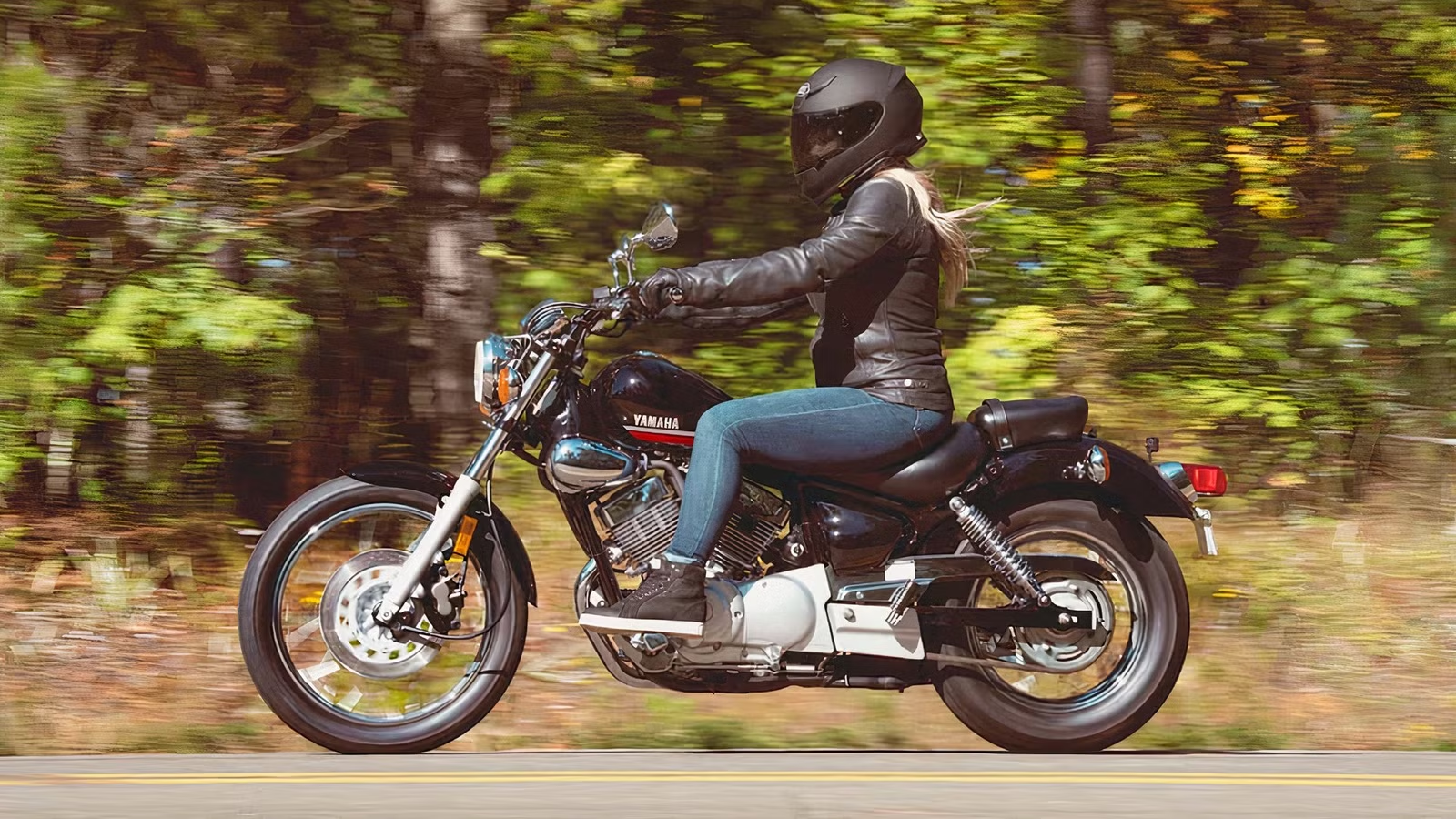
Gone are the days when an 800-plus-pound, big-twin motorcycle with lots of chrome defined a cruiser motorcycle. Today, this segment is as versatile as it can get, and most of the action is actually in the lower CC segments. Royal Enfield, Honda, and CFMoto are redefining what a beginner cruiser looks like, how it rides, and how it feels.

The budget cruiser segment is so sought-after that even Harley and Indian now offer sub-$10,000 cruisers. While most 2026 cruisers are fighting it out to stay in the spotlight with cool new features, there is a special and impressively consistent Yamaha cruiser that evokes nostalgia strongly. It proves that old-school V-twin charm can come in small, durable packages.

Here’s What Defines A Lifelong Cruiser Motorcycle
A cruiser motorcycle built to last is defined by over-engineered, low-stress engines coupled with low-maintenance components, such as a final belt or shaft drive rather than a chain drive. These bikes can easily exceed the 100,000-mile mark with just routine maintenance. They have engines, chassis, and other hardware components with simplified construction and have been refined over the years to iron out every last issue.
The extended period on the road also helps motorcycle makers sort out spare-parts logistics and gives technicians ample time to work and hone their skills. Prime American V-twin examples include the Harley-Davidson Softail (such as the Street Bob and Heritage Classic) and the Indian Scout. Key attributes of a cruiser bike that are built to last include:
- Adaptive and comfortable ergonomics
- Robust and simple engine construction
- Minimal or easily serviceable electronics
- Global parts availability and service knowledge
- Simplified underpinnings that are easy to work with
Japanese Cruiser Bikes Fare Even Better

Japanese cruiser motorcycles have an edge over rivals thanks to acclaimed bulletproof reliability. This is achieved through highly durable engine construction designed for refinement and longevity. Unlike American V-twins, which leave room for a bit of drama and character, Japanese cruiser bike engines primarily prioritize reliability, even if it means sacrificing the rumble. Furthermore, mass-market production of parts makes servicing these cruiser bikes affordable, too. Then there are the user-friendly mechanicals with straightforward setups and liquid-cooled, fuel-injected engines, making them highly dependable for daily rides and seldom leaving the rider stranded.
Even Entry-Level Offerings Have Long-Lasting Appeal Today

Interestingly, budget-friendly cruisers tend to last even longer. This is because aggressive cost-cutting leads motorcycle makers to use seasoned, readily available parts rather than invest in brand-new technology, engines, or components. Air-cooled engines are more affordable and simpler to repair than liquid-cooled options. A backbone chassis, while heavy, is much more affordable to construct than a trellis frame. Similarly, a non-adjustable suspension setup is lighter on the pocket for both the manufacturer and the owner when it comes to equipping and repairing.

All of these features are more of a compulsion than a choice in the entry-level segment, as they help keep prices low. The side effect of this packaging is a durable and long-lasting motorcycle. The likes of the $4,899 Royal Enfield Meteor 350 and the $5,349 Honda Rebel 300 E-Clutch are prime examples. However, the beginner-friendly, entry-level offering that nails the life long formula is the most affordable cruiser bike of 2026—the Yamaha V-Star 250.
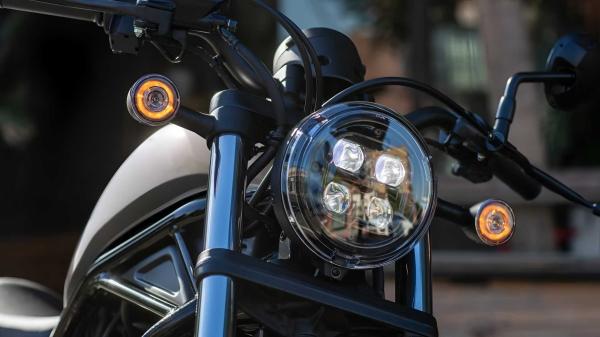
The Budget Japanese Cruiser You Buy Once And Keep Forever
This underappreciated Honda cruiser bike is powered by a parallel-twin engine that has been in production since 2013.
The 2026 Yamaha V-Star 250 Still Feels Built To Last
Price: $4,799

The core engineering and structure of the Yamaha V-Star have been in place since 1988, starting life as the Yamaha XV250/ Virago 250. This helps demonstrate the V-Star 250’s long-lasting appeal. The chassis and engine have been refined for so long that being bulletproof is now its identity. The V-Star 250 was its official successor, launched in America in 2008.

While the names are different, not much has changed in terms of engine, chassis, and components. The 2026 V-Star 250 continues to be powered by an extremely reliable yet old air-cooled V-twin that has stood the test of time and endured for nearly four decades. Yamaha’s decision to stick with a time‑capsule formula and not tinker with the refined engine is the primary reason for the V‑Star’s enduring appeal.
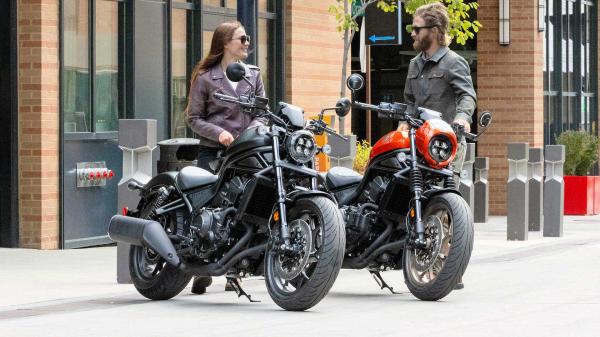
10 Affordable Cruisers That Refuse To Break Down
These cruisers are unflappable, and you can be sure they’ll get you there AND home!
A Forgotten Gem In A Sea Of Modern Cruisers

Its immediate rivals include the Royal Enfield Meteor 350 and the Honda Rebel 300 E-Clutch. Only the Meteor 350 matches the V-Star 250’s value proposition by being priced under $5,000. However, it loses out on replicating the authentic V-twin charm, since the Meteor packs an air-cooled single that is less powerful at 20.2 horsepower. The torque is superior, though, at nearly 20 pound-feet.

The more premium yet highly versatile Honda Rebel 300 E-Clutch also packs a single-cylinder engine but outpaces the others in performance, producing 27 horsepower and 20 pound-feet of torque. This is thanks to a modern liquid-cooled 286 cc engine. It is also the only one of the trio to get a six-speed manual gearbox with the electronic clutch feature. However, all of these modern features increase cost and weight. The Rebel 300 E-Clutch weighs 364 pounds, notably higher than the much older V‑Star, and is priced at over $5,000.
Powered By A Pint-Sized V-Twin

Powering the Yamaha V-Star 250 is the smallest production motorcycle V-twin engine on sale in America. This 249 cc air-cooled engine is a long-stroke mill that has character thanks to its seasoned, old-school nature. It produces 21 horsepower and 15 pound-feet of torque. These modest figures make the V‑Star a comfortable city bike. A lazy compression ratio of 10.0:1 also helps this engine operate efficiently, maintain an understressed character, and be compatible with various types of fuel worldwide. Fueling is via a classic Mikuni 26 mm carburetor system. Power is sent to the rear wheel via a five-speed manual gearbox and a final chain drive system.
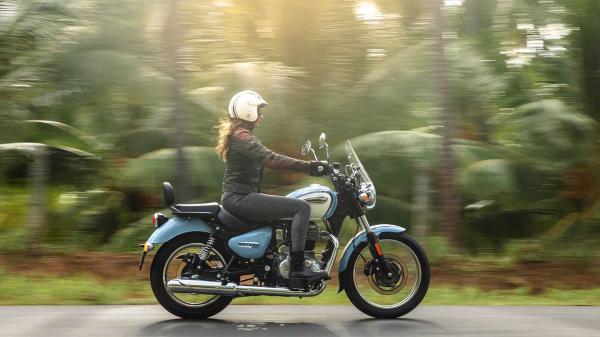
10 Cheap And Fuel-Efficient Cruiser Bikes For The City
The coolest old-school vibing V-twin cruiser on this list is a Yamaha that returns 78 MPG.
Complemented By Durable Underpinnings

The underpinnings are simple and durable, which further contributes to its long-lasting appeal. The engine sits snugly in a double downtube frame made of round steel tubing for enhanced rigidity. A full‑yoke swingarm with rectangular cross‑sections contributes to the stretched‑out look while maintaining strength. The chassis is suspended on 33 mm telescopic forks with 5.5 inches of travel and preload-adjustable dual shocks with 3.9 inches of travel. Braking duties are courtesy of a 282 mm disc up front and a 120 mm drum at the rear. Adding to the unmistakable cruiser bike stance are its 18-inch front and 15-inch rear laced wheels.
Laid-Back Ergonomics Evoke A Big-Bike Feel

Yamaha has managed to bring the laid-back ergonomics of a big-twin cruiser to this sub-$5,000 Yamaha. This is thanks to a low seat height of 27.0 inches, forward-set footpegs, and a tall and wide handlebar angled towards the rider. Its stretched-out stance further complements this despite its under-50-inch wheelbase. This is because of its 32-degree rake angle and 4.7 inches of trail. Its low curb weight of just 324 pounds makes it a no-frills urban runabout.
The Easiest Cruiser To Live With For Beginners

The Yamaha V Star 250 is among the easiest cruisers to live with for beginners, and that is down to two things: its ergonomics (which we already covered) and bulletproof reliability. The V-twin mill here has been around for a long time, and given its understressed and simple nature, there’s very little to go wrong there. In fact, owners report very high mileage from the engine. It’s this reliability that the V Star 250 can regularly survive beginner-level abuse without breaking a sweat, whether it’s dropped, over-revved, or stalled while learning the ropes.

The bike also does not scare beginners, even if they were to make mistakes. The laid-back power delivery and 21 horses should feel easy to manage even for absolute beginners. At the same time, the bike’s small stature and low seat height should make the bike easy to manage even for those swinging their leg over a bike for the first time. Finally, the bike’s simple underpinnings and components also make it a perfect tool for learning how to maintain and repair motorcycles. Any owner with a half-decent tool kit and a good YouTube video can find their way around the bike and work on it. The combination of its reliability, easy ownership experience, and simple design is what makes the V Star 250 a perfect first bike.
The Yamaha V-Star 250 Is The Last Of Its Kind

There will never be another “new” Yamaha V-Star 250 rival. This is because emission regulations are becoming increasingly stringent and because conceptualizing and creating a brand-new tiny V-twin is not cost-effective. Yamaha can pull this off because the V-Star 250 has underpinnings that are nearly four decades old. So, zero investment in R&D here. Furthermore, the market is now filled with newer, more modern, beginner-friendly cruiser options featuring cool technology and improved performance. In short, the desirability of small‑displacement, air‑cooled, old‑school V‑twin cruisers is limited.
Sources: Yamaha Motorsports, Honda Powersports, and Royal Enfield

Related posts

Latest Post


No Comments