
BMW Recalls 318,000 Cars Over Starter Fire Risk — 9 Models Affected
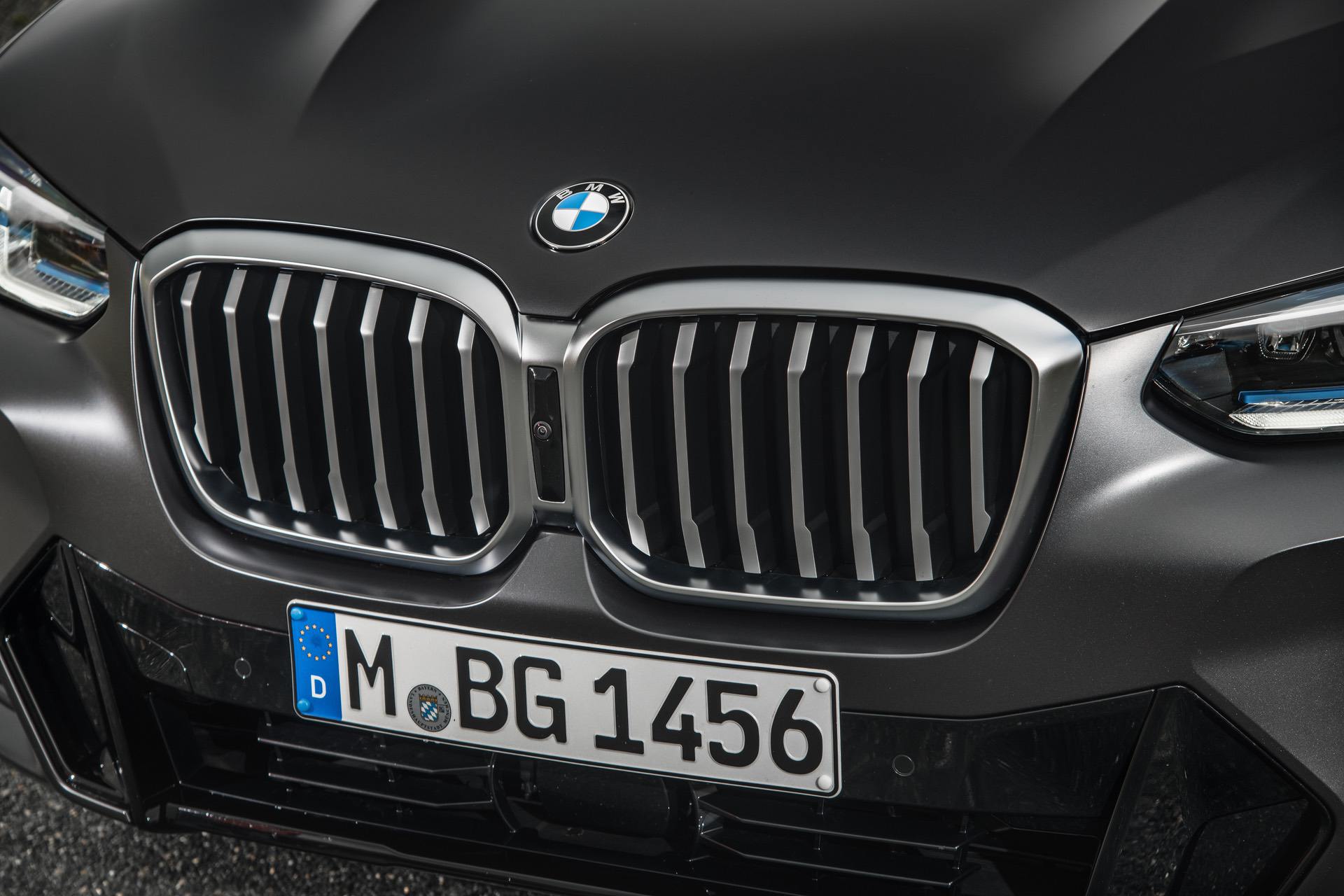
BMW is recalling 318,495 vehicles in the U.S. over a starter defect that can, in rare cases, cause a fire — and the recall spans nine BMW models plus the Toyota Supra, from the X3 and X4 to the 3 Series, 5 Series, and Z4. The X3 makes up the largest share by far, at roughly two-thirds of all affected vehicles, but owners of several other models should check their VIN too.
In its filing with NHTSA, BMW explained that the premature wear could cause the starter to malfunction. In milder cases, that simply means the engine won’t start. In rarer, more serious cases, attempting to start the vehicle with a degraded starter can generate enough heat to ignite a fire.
Which Models Are Affected

The recall touches a wide swath of BMW’s four-cylinder lineup, with the X3 accounting for the bulk of the units:
- BMW X3 (sDrive30i, xDrive30i) — Dec 14, 2020–Aug 27, 2024 — 210,748 vehicles
- BMW 3 Series (330i, 330i xDrive) — Oct 10, 2022–Jul 24, 2024 — 32,094 vehicles
- BMW X4 (xDrive30i) — Dec 14, 2020–Apr 13, 2025 — 26,866 vehicles
- BMW 5 Series (530i, 530i xDrive) — Jun 24, 2021–Jun 29, 2023 — 11,991 vehicles
- BMW 2 Series Coupe (230i, 230i xDrive) — Jul 14, 2021–Apr 29, 2025 — 11,479 vehicles
- BMW 4 Series Gran Coupe (430i, 430i xDrive) — Oct 1, 2022–Jun 1, 2024 — 9,552 vehicles
- BMW 4 Series Convertible (430i, 430i xDrive) — Sep 2, 2022–Feb 28, 2024 — 8,048 vehicles
- BMW 4 Series Coupe (430i, 430i xDrive) — Sep 1, 2022–Feb 28, 2024 — 5,270 vehicles
- BMW Z4 (sDrive30i) — Sep 1, 2022–Apr 16, 2025 — 2,177 vehicles
- Toyota Supra — Sep 1, 2022–May 21, 2024 — 270 vehicles
The recall also extends beyond BMW’s own badge. Because Toyota and BMW jointly developed the Z4 and Supra on a shared platform, 270 examples of the 2023–2024 Toyota Supra are included as well, echoing a similar cross-brand inclusion seen in a prior 2026 recall that also swept in the 2021–2023 Toyota Supra alongside BMW models built on the same architecture.
The Fix

BMW says it isn’t aware of any accidents or injuries tied to the defect so far. As part of the remedy, dealers will replace the affected starter with a unit of a different design, at no cost to owners — the same basic approach BMW has taken with each of its recent starter recalls, including a September 2025 campaign in which the engine starter was swapped for a new one with a different design after a similar overheating risk was identified.
Dealer notification for this recall began July 8, 2026, meaning service centers are already equipped to handle repairs. Owner letters, however, won’t start going out until August 28, 2026 — so affected owners may want to contact a dealer proactively rather than waiting for the mail.
Part of a Bigger Pattern for BMW
This is now one of several starter-related recalls BMW has issued in less than a year, and it lands just days after the German KBA disclosed a separate global recall covering 744,234 vehicles for a different starter defect involving relay deposits.
The broader timeline includes:
- September 2025: ~145,000 vehicles recalled after starters were found capable of igniting nearby engine components during or after use.
- January 2026: 87,394 vehicles recalled following continued investigation with a supplier.
- February 2026: A global recall of roughly 575,000 vehicles tied to starters built between July 2020 and July 2022.
- July 2026 (early): A recall of 29,000 hybrid vehicles after BMW found that water intrusion could cause corrosion inside the starter relay, discovered while the company continued monitoring vehicles from the original recall.
- July 2026 (this recall): 318,495 U.S. vehicles, tied to premature wear of an internal 4-cylinder starter component.
- July 2026 (Germany/global): 744,234 vehicles worldwide, tied to manufacturing deposits in the starter relay.
While each recall has cited a slightly different technical cause — water intrusion, component wear, manufacturing deposits — the common thread is the same: BMW’s starter motors, across both 4-cylinder and other engine families, have faced a string of overheating and fire-risk issues stretching back more than a year.

Related posts



Latest Post


No Comments