
Geely Starray EM-i review – first UK drive
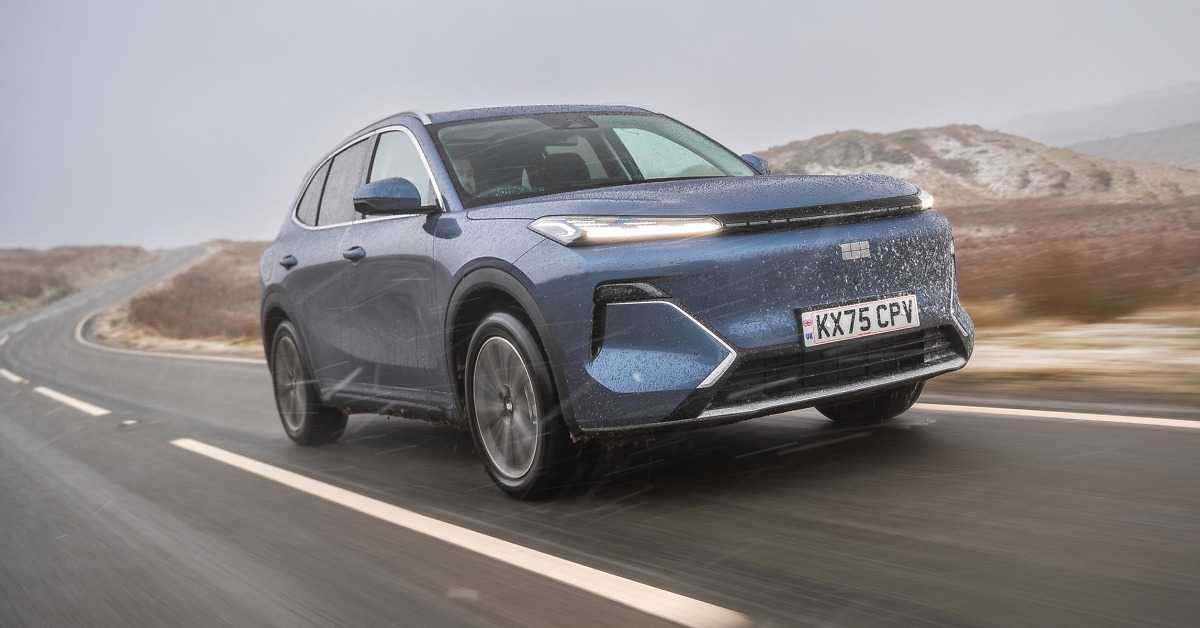
Make and model: Geely Starray EM-i
Description: Hybrid family crossover
Price range: from £29,990
Summary: The Geely Starray offers a lot of space, equipment and plug-in hybrid range for the money, but its touchscreen-heavy cabin and small UK dealer network keep it from being an easy recommendation.

For a broader ownership picture, see our Geely Starray Expert Rating, which combines media reviews, safety data, reliability, running costs and warranty cover.
You may not have heard of Geely, but it’s one of China’s largest car companies. It owns or has major stakes in several familiar brands, including Volvo, Polestar and Lotus, while also building cars under its own name.
The Starray is Geely’s plug-in hybrid family SUV for the UK, joining the electric EX5 in the brand’s growing line-up. In China, this car is known as the Geely Galaxy Starship 7, which was probably never going to fly here.

Its rivals include the Kia Sportage, MG HS, Jaecoo 7, Chery Tiggo 7, Ford Kuga and BYD Sealion 5. That’s a tough crowd, so the Starray needs to offer more than just an unfamiliar badge and a tempting price.
Price and equipment
There are three trim levels to choose from: Pro, Max and Ultra. Prices start from £30K, which puts the Starray right in the thick of the family SUV market but with a longer standard kit list than many rivals.
Even the entry-level Pro gets a 360-degree camera, 15-inch touchscreen, keyless entry, Android Auto and Apple CarPlay, 19-inch alloy wheels, and heated and electrically adjustable front seats. That’s a lot of equipment for the money, and it gives Geely a strong showroom pitch.
The Max version tested here costs £32.7K and adds a head-up display, panoramic sunroof, powered tailgate, upgraded sound system, ambient lighting and driver’s seat ventilation. It feels like the sensible pick in the range, because it adds useful extras without pushing the price too far.
The range-topping Ultra is a bit different. Instead of adding lots more comfort kit, it gets a larger battery, increasing the quoted electric driving range from 51 miles to 84 miles. That could be worth having if you want to do as much driving as possible on electric power, but it depends on how much of that extra range you’ll actually use.
All versions are front-wheel drive for now, with no four-wheel-drive option available at launch.
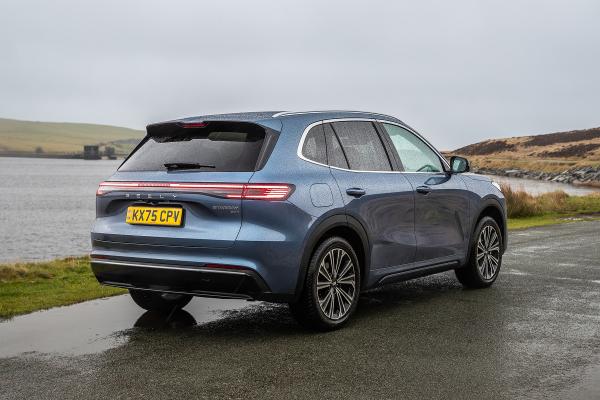
Inside the car
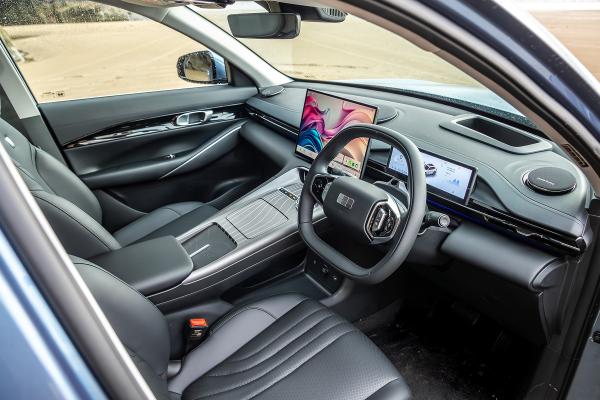
The Starray’s cabin follows the familiar modern SUV formula: a clean dashboard, a large central touchscreen and very few physical controls. It looks neat, but it’s not always easy to use.
The screen is bright and responsive enough, but too many basic functions are buried in menus. Climate controls, vehicle settings and even some lighting functions take more attention than they should, especially while driving. There are a few quick-access buttons on the centre console for demisting and air recirculation, but Geely could have done more here.
The driving position also won’t suit everyone. Even with the seat lowered as far as it will go, it still feels too high, leaving you sitting more on top of the car than properly settled into it. That said, the seats themselves are comfortable and supportive, so long journeys are not a hardship.
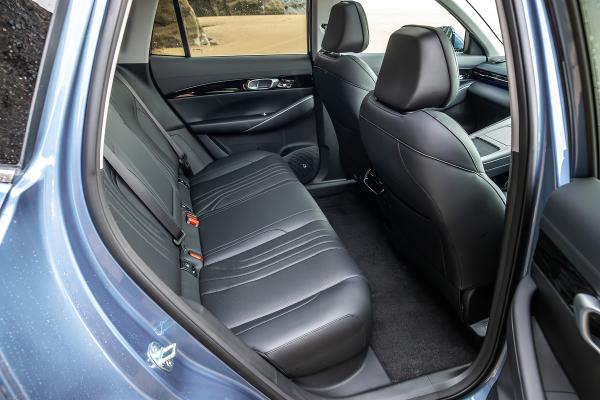
Space is a stronger point. There’s plenty of headroom and legroom, including for taller adults, and the boot is a useful 528 litres with the rear seats in place. Fold them down and Geely quotes more than 2,000 litres of load space, while there’s storage under the boot floor for charging cables.
Driving range and charging
The Starray is a plug-in hybrid, so it only makes real financial sense if you can charge it regularly. Used properly, it can cover most of your local driving on electric power, with the petrol engine there for longer journeys.
The Max model tested here uses an 18kWh battery, with a quoted electric driving range of up to 51 miles. On our test route, the battery ran out after 37 miles despite careful driving, which is some way short of the official figure but still useful for commuting or school-run duties.
On a longer trip to the Scottish Borders, the Starray returned 77mpg while there was still charge in the battery. Once the battery was depleted, economy dropped to 41mpg. After 389 miles of mixed driving and regular charging, the overall average was 52mpg, which is respectable for a large family SUV.
A 7kW home wallbox charged the battery from 22% to full in around two and a half hours, using 17kWh of electricity. That’s quick enough to make regular home charging easy, which is exactly how a plug-in hybrid like this should be used.
The larger-battery Ultra will suit drivers who want to do more journeys on electric power. For everyone else, the Max may well offer enough electric range at a more attractive price.
On the road
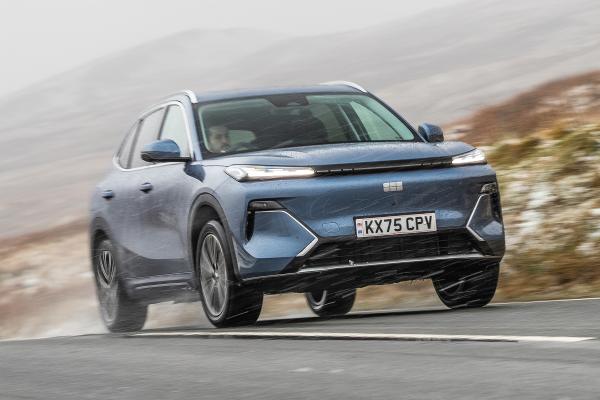
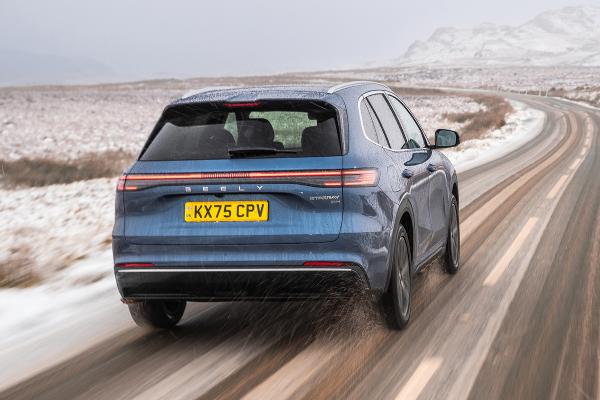
The Starray is at its best when driven sedately. It’s smooth, comfortable and settled over poor surfaces, which matters far more in a family SUV than sharp handling or dramatic performance.
The plug-in hybrid system combines a 1.5-litre petrol engine with an electric motor, producing 260hp. That’s plenty for everyday driving, and the electric motor helps the car feel responsive around town.
It’s less convincing when you ask for hard acceleration. The petrol engine can sound strained, with a noticeable drone as the revs rise, and the Jaecoo 7 feels more refined in this situation.
Handling is tidy enough, but the Starray leans if you push it through corners. A Kia Sportage feels more composed if driving feel is important to you, but most buyers will probably care more about the Geely’s comfort and ease of use.
Ownership
The Starray’s strongest ownership point is its warranty. Geely offers an eight-year/125,000-mile new car warranty, which is longer than any other rival and helps make the brand feel less risky for buyers who may not know much about it yet.
Running costs will depend heavily on how often you charge it. Like any plug-in hybrid, the Starray makes the most sense if you can plug in at home and cover most short trips on electric power. If you regularly drive with a flat battery, fuel economy will be much less impressive and you’ll lose one of the car’s biggest advantages.
The bigger question is the dealer network. Geely is still new to the UK, so it doesn’t yet have the same showroom and servicing coverage as Kia, MG, Ford or Nissan. That won’t matter if you have a dealer nearby, but it’s worth checking before you buy rather than assuming servicing will be as convenient as it is with a more established brand.
Resale values are also harder to predict at this stage. The long warranty should help, and Geely has plenty of global backing, but the badge is still unfamiliar to many UK buyers. That means the Starray’s long-term ownership picture will depend on how quickly Geely can build trust, grow its dealer network and support customers properly.
Verdict
The Geely Starray is a plug-in hybrid family SUV with strong value for money. It’s roomy, comfortable, well equipped and backed by a long warranty, while the plug-in hybrid system can deliver useful economy if you keep the battery charged.
It also has some clear weaknesses. The touchscreen-heavy cabin is frustrating, the driving position feels too high and the petrol engine becomes noisy under hard acceleration. Geely’s UK dealer network is also still small, which matters for buyers who want easy local servicing and long-term reassurance.
The Starray is good enough to be taken seriously, especially in Max trim. It does a lot for the money, and it’s easy to see why buyers looking at a Kia Sportage, MG HS or Jaecoo 7 might be tempted.
For now, though, it’s not quite an easy recommendation. If you have a Geely dealer nearby and can charge at home, it’s worth a look. If you want a more established badge, simpler controls or a broader dealer network, there are safer choices.
We like:
- Strong value for money
- Comfortable ride
- Plenty of passenger and boot space
- Generous standard equipment
- Useful electric range when charged
We don’t like:
- Too many controls in the touchscreen
- Driving position feels too high
- Petrol engine drones under hard acceleration
- Leans in corners
- Small UK dealer network
Similar cars
Citroën C5 Aircross | Chery Tiggo 7 | Dacia Bigster | Ford Kuga | Honda ZR-V | Hyundai Tucson | Jeep Compass | KGM Korando | Kia Sportage | Mazda CX-5 | MG HS | Nissan Qashqai | Peugeot 3008 | Renault Austral | SEAT Ateca | Skoda Kamiq | Skoda Karoq | Subaru Crosstrek | Suzuki S-Cross | Toyota C-HR | Vauxhall Grandland | Volkswagen Tiguan
Key specifications
Models tested: Geely Starray EM-i Max
Price as tested: £32,690
Powertrain: 1.5-litre petrol engine and electric motor
Gearbox: Automatic
Power: 260 hp
Torque: 262 Nm
Top speed: 105 mph
0-62mph: 8.0 seconds
Fuel efficiency: 118 miles
CO2 emissions: 54 g/km
Euro NCAP safety rating: Five stars (December 2025)
TCE Expert rating: Not yet rated (June 2026)

Related posts




Latest Post


No Comments