
$5,000 In Mods Made A Field-Find Yamaha XS650 A Bonneville Class Record Setter
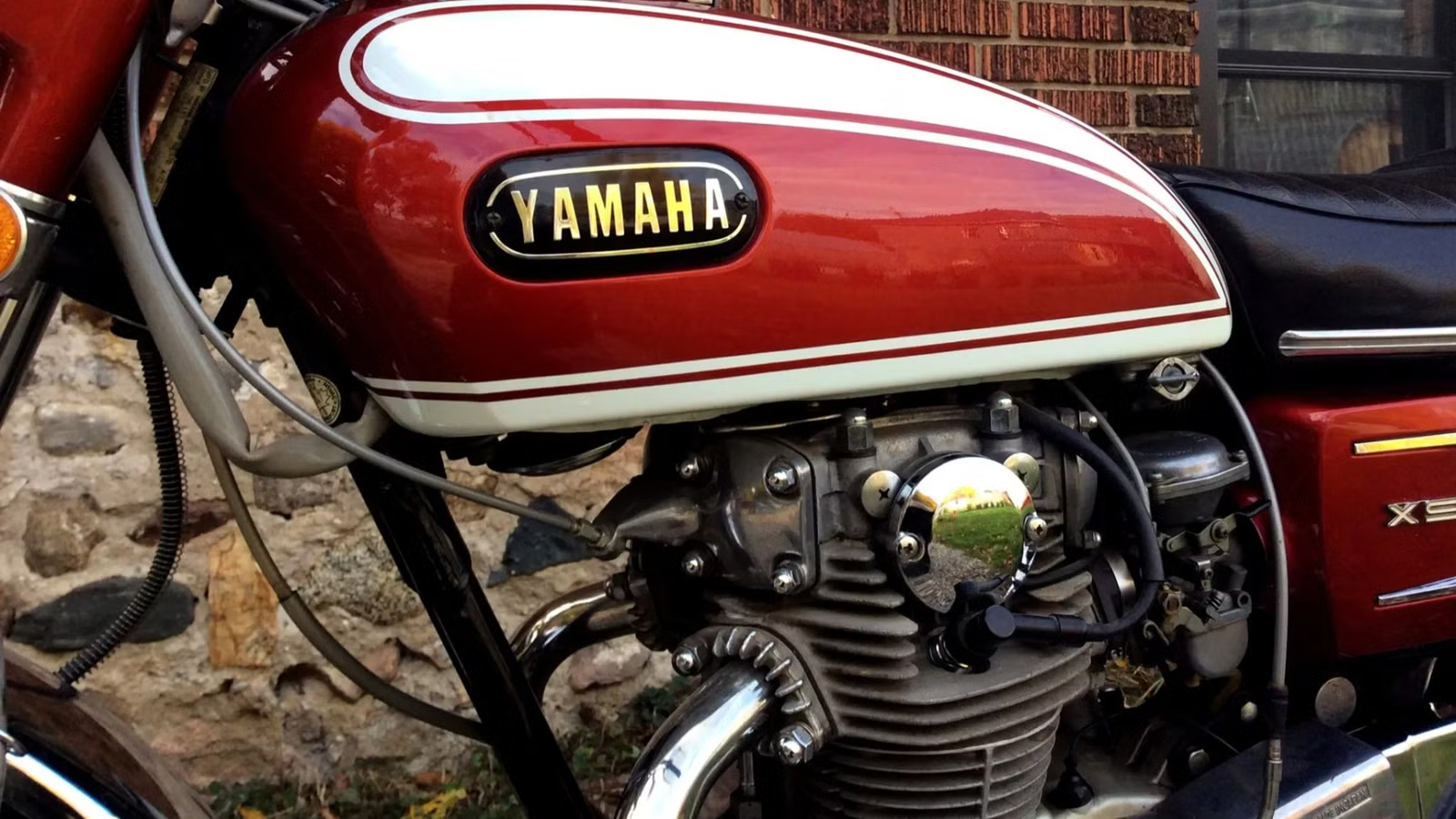
A motorcycle abandoned in a field can be the great beginning to an article about a huge restoration project, but what if the story is about a Bonneville record attempt? Stranger still, how does a supply of leftovers from making vodka tie into all of this? Ryan Montgomery had access to both, along with friends willing to help turn an old Yamaha into a race bike. In 2018, the Montana distiller took that combination to the salt, where his first land-speed racing project comfortably exceeded its original target.
A Bonneville Record Attempt Doesn’t Have To Start With An Expensive Motorcycle

Bonneville accommodates much more than the streamliners chasing outright motorcycle speed records. Competitors enter classes divided by displacement, engine design, chassis modifications, and bodywork. That gives an older motorcycle a different target from a modern superbike, at the same event. A rider can pursue a national class record at speeds that would barely trouble the faster machinery elsewhere in the paddock.
Montgomery, who operated Montgomery Distillery in Missoula, approached the event as a first-time racer. He hadn’t previously built a race bike, but Bonneville veteran Neil “Mort” Olson helped with the racing side of the project. The team’s target was approximately 98 mph. Getting an old motorcycle running well enough to beat that figure was a manageable ambition for a garage build.
The Class Rules Defined The Target

Montgomery could use the distillery’s fuel, but he couldn’t replace the old engine with a modern one. His chosen Classic Fuel class required a pre-1981 engine retaining its original heads, cylinders, and crankcases, with limited exceptions. The 750cc category gave him room for a larger engine than the Yamaha’s nominal 650cc. Partial streamlining was permitted, too, putting his entry in the class listed as 750-MPS-CF.

The existing record listed in the event’s 2018 rulebook was 97.913 mph, set by P. Horner on a Honda in 2016. Montgomery therefore had a specific number to chase before arriving in Utah. Simply running beyond 100 mph could put him ahead of that benchmark. The challenge was to do it in a motorcycle that met the class requirements and complete the record runs.
A Field-Find 1980 Yamaha XS650 Became Sudden Wisdom

Montgomery’s donor was a non-running 1980 Yamaha XS650 found abandoned in a field. Its parallel-twin engine became the basis of a motorcycle named Sudden Wisdom, borrowing the name of the distillery’s rye whiskey. The bike’s age suited the Classic category. Its condition also meant the project began with getting neglected machinery working again, before the team could concern itself with a timing slip.
Friends and sponsors helped turn the Yamaha into a finished racer, complete with new bodywork and paint. Work continued ahead of the August event. An April 2018 Makerviews visit to the distillery found engine components on a bench and Montgomery already discussing his Bonneville plans. By summer, that workshop project had become a motorcycle ready for the trip to the salt.
Approximately $5,000 In Modifications Funded The Transformation

Contemporary reporting put the modifications at approximately $5,000, with sponsors contributing $1,000 toward the project. Those figures describe the reported modification bill and outside support, rather than a documented all-inclusive cost. The donor’s purchase price wasn’t established. Nor was there an itemized accounting of labor, transport, entry fees, or the other expenses of taking a motorcycle racing.
The conversion also involved more than getting the engine to accept unfamiliar fuel. Reports described a removed front brake and a wrist-operated engine-cutoff lanyard, along with fire-resistant protection around the fuel line. The stripped equipment suited a dedicated racing motorcycle rather than a road restoration. Bodywork, preparation, and help from experienced racers all accompanied the carburetor changes that made the unusual fuel possible.
Distillery Waste Fueled The Yamaha’s Record Attempt

The widely repeated description of a “vodka-powered” motorcycle needs a little clarification. Montgomery wasn’t buying drinking vodka and pouring bottles into the tank. The distillery collected heads, material separated during distillation because it wasn’t suitable for the finished spirit. The team saved roughly 10 gallons for the racing project, putting a normally discarded byproduct to work as engine fuel.
Montgomery’s access to that material gave the experiment an obvious starting point, but its usefulness still depended on the Yamaha’s setup. Alcohol fuel has different requirements from gasoline. The workshop had to make the Yamaha run properly on it. Sudden Wisdom’s fuel linked the two sides of Montgomery’s working life without requiring the bike to carry a tankful of saleable spirits.
Running On Ethanol Required Changes To Fuel Delivery

Getting the Yamaha to run on distillery leftovers meant adjusting and re-jetting its carburetors, according to RideApart’s account of the build. Montgomery worked through the conversion with help from friends before taking the bike to Utah. By then, the team had collected roughly 10 gallons of heads to fuel the attempt. The next test was whether the converted engine could carry him past the existing 98-mph record on the salt.
According to the Department of Energy, a gallon of denatured ethanol carries about 30 percent less energy than gasoline. Its higher octane rating offers greater resistance to knock, which can allow an engine builder to use more compression. That takes additional engine work, however, and the available accounts don’t establish whether Montgomery changed the Yamaha’s compression ratio. The documented change was re-jetting the carburetors to make the engine run on the distillery’s fuel.
Sudden Wisdom Reached Approximately 113 MPH At Bonneville

Montgomery beat the old record on his first pass at Bonneville on August 26, 2018, but still needed to make the return run. Just over an hour later, he completed that second pass, bringing his average to approximately 113.3 mph. He had arrived hoping to beat 98. Now the field-find Yamaha had carried him through both runs faster than he’d needed to go.
Montgomery Distillery celebrated an average of 113 mph in its announcement that day, while noting that confirmation was still pending. The run log supplies the numbers behind that celebration. A non-running field find had become a functioning alcohol-fueled racer and completed two passes above 110 mph. For Montgomery’s first race-bike build, that was a substantial return on the reported $5,000 in modifications.
Source: Bonneville Motorcycle Speed Trials, RideApart, autoevolution, Makerviews, U.S. Department of Energy

Related posts



Latest Post


No Comments