
5 BMW SUVs With the Worst Resale Value in 2026
Article Summary
- The BMW iX has the weakest resale value of any BMW SUV in iSeeCars’ 2026 data, retaining just 31.4% after five years.
- The BMW XM and X5 Plug-in Hybrid show that high prices and electrified powertrains can weigh heavily on used-market values.
- The X7 and X5 prove even popular BMW SUVs can depreciate hard when size, complexity, and original MSRP work against them.
Luxury products and depreciation go hand in hand. Vehicles wearing a roundel on the hood are no exception, but according to iSeeCars’ 2026 resale value data, some BMW SUVs get cut a lot deeper than others. The general rule of depreciation vaguely follows “the bigger they are, the harder they fall.” But looking at the data proves that it’s slightly more complex than that, especially when you introduce gas, electric, and hybrid powertrains into the same marketplace. Here are the five BMW SUVs that held the least value over five years in 2026.
1. BMW iX — 31.4%

The BMW iX is the worst-performing BMW SUV in iSeeCars’ 2026 resale data, retaining just 31.4% of its value after five years. That is a dramatic number, but it is not terribly surprising. Large luxury EVs have a rough time on the used market, and the iX checks several depreciation-heavy boxes at once: high original MSRP, polarizing design, expensive technology, and rapid EV advancement. The iX can also be a difficult vehicle to explain to some traditional BMW buyers. It is not an electric X5, nor is it a conventional SUV with a familiar BMW face. It was built as a standalone flagship EV, which makes it interesting, but perhaps not immediately accessible. It’s the roughest depreciation on any new BMW according to the iSeeCars data. But that translates to a marvelous buy for those looking on the secondhand market. With iX production continuing at least through 2027, these numbers will likely stay pretty stagnant for a while. That’s great news, at least for used car shoppers.
2. BMW XM — 41.9%

The BMW XM comes next, retaining 41.9% of its value after five years. Considering the XM’s original price (around $160,000), that is still a serious depreciation hit. There’s hardly a mystery here, though. The XM is one of the most controversial BMWs ever built, positioned in a strange space between flagship SUV, M car, luxury statement, and performance experiment. That makes it interesting, but not necessarily easy to sell secondhand. Or, for that matter, desirable. Used buyers tend to reward clarity, and the XM has always been a complicated proposition. It is not as practical as an X7, not as fast or recognizable as an X5 M, and not as instantly understood as an M3 or M5. It isn’t the only expensive plug-in hybrid on the list, either.
3. BMW X5 Plug-in Hybrid — 43.6%

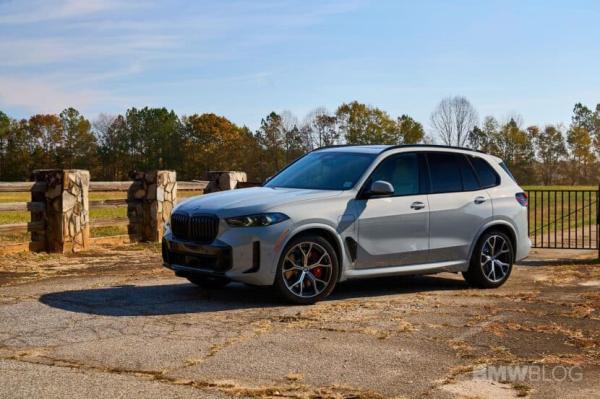
The BMW X5 Plug-in Hybrid retains 43.6% of its value after five years, placing it third among the worst-performing BMW SUVs. Better than any other entry on this list, the X5 PHEV’s presence demonstrates that even good cars can depreciate heavily. By all measures, the plug-in X5 is a marvelous SUV — good range and performance, stylish, practical. But hybrids have a rough go on the used market, where buyers get worried about potentially expensive repairs that may or may not be covered under warranty. Further working against the X5 PHEV is its high original MSRP, which never translates to the used market well. Then there’s issue of (now defunct) federal tax credits, which made every used X5 PHEV around $7,500 cheaper out of competitive necessity.
4. BMW X7 — 44.4%
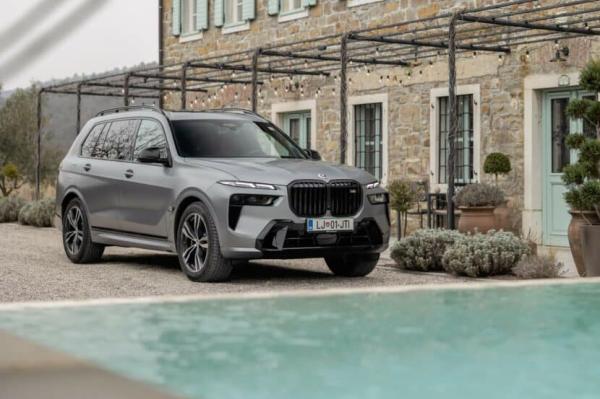
The BMW X7 retains 44.4% of its value after five years, putting BMW’s largest SUV near the bottom of the brand’s SUV resale rankings. Again, the reason is not that the X7 is unpopular or a bad product. It is that big luxury SUVs tend to have a lot working against them once they hit the used market.
The X7 is expensive new, often loaded with costly options, and aimed at buyers who usually want the latest version of BMW’s biggest and most luxurious SUV. That is a difficult formula for long-term resale value. The same features that make a new X7 feel special can become liabilities: air suspension, three-row complexity, expensive wheels, high-end interior equipment, and lots of technology that eventually becomes yesterday’s news. Used X7 buyers want space, comfort, and badge appeal, but they’re also scrutinizing real running costs. Fuel economy, tires, maintenance, and repairs all matter more when the vehicle is no longer new. The X7 may be one of BMW’s most impressive SUVs, but it is not one of its safest resale bets. The 2027 BMW X7 will be the last model for this generation ahead of the G67’s debut next year.
5. BMW X5 — 46.9%
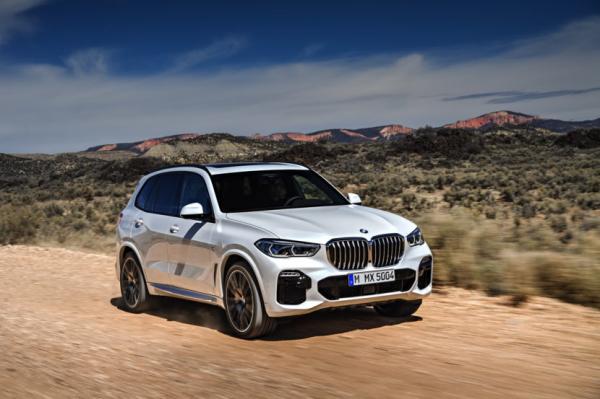
The regular BMW X5 rounds out the five worst-retaining BMW SUVs, holding 46.9% of its value after five years. This one is arguably the most surprising name here. The X5 is BMW’s default luxury SUV, one of the brand’s most important models, and still one of the best-driving vehicles in its segment. Yet in iSeeCars’ data, it falls near the bottom of BMW’s SUV resale list.
At least part of that comes down to volume. The X5 sells in meaningful numbers — Q2 2026 sales data shows the aged SUV still handily outsells even the newly refreshed X3 — which means used buyers have plenty of choices. When there are many similar examples on the market, resale values have less room to stay firm. The X5 is also expensive new, and like most midsize luxury SUVs, it depreciates quickly. Still, this does not make the X5 a bad used buy. In fact, the opposite may be true. A well-kept X5 with the right engine and options can be one of the better luxury SUV purchases on the secondhand market precisely because the initial depreciation has already happened. But for buyers focused on holding value from new, the X5 is not as strong as smaller BMW SUVs like the X1 or X3.
What the List Tells Us
The weakest BMW SUV resale performers in 2026 mostly fall into two categories: big and/or electrified. The iX struggles because big luxury EVs depreciate hard. The XM struggles because it is expensive, polarizing, and hard to categorize. The X5 Plug-in Hybrid shows that electrification does not automatically protect resale value. Meanwhile, the X7 and regular X5 prove that volume, size, and high original MSRPs can work against even very popular models.
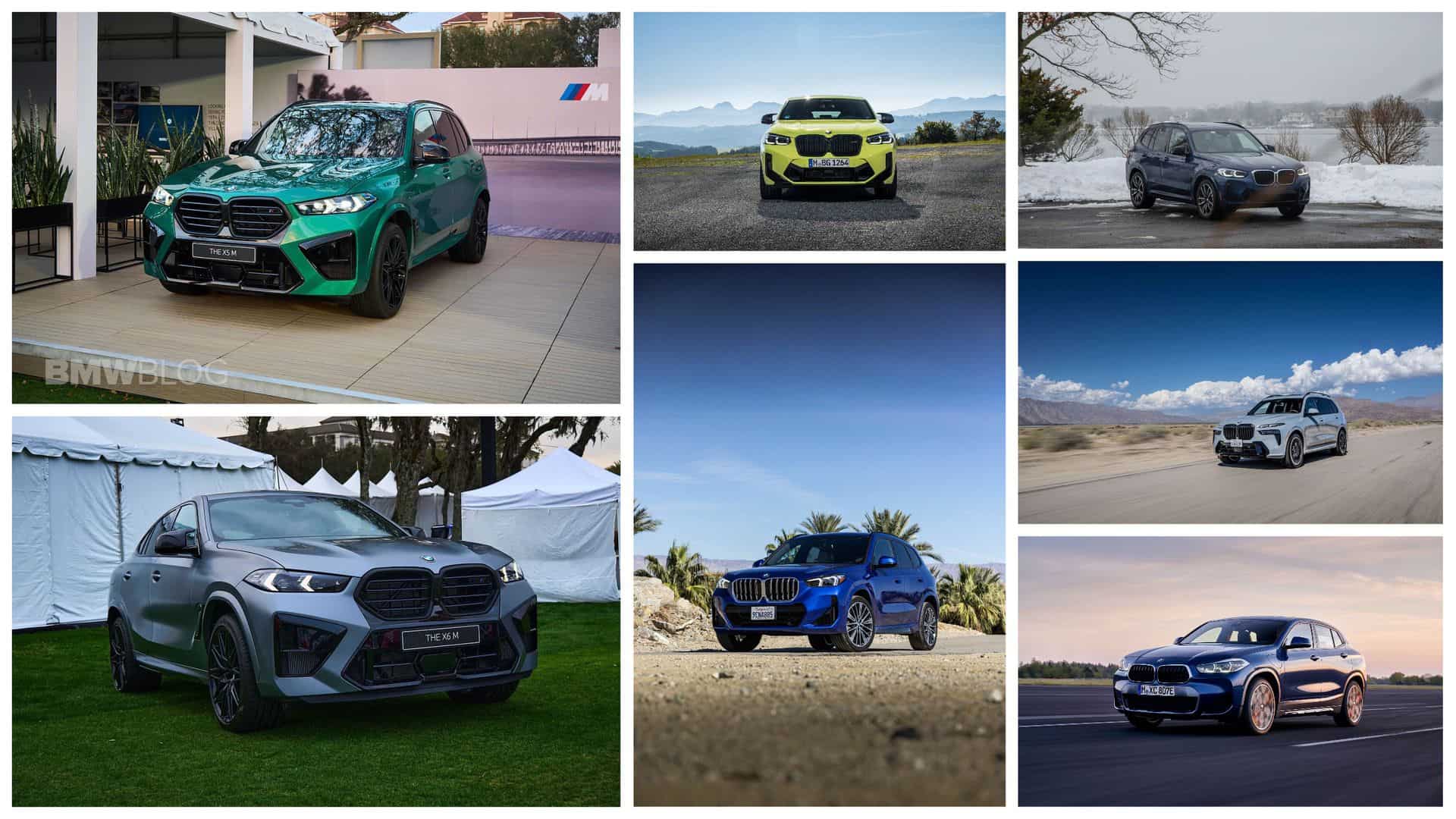
One thing is certain. If you’re looking for BMWs with the best resale value in 2026, you’ll want to start small. The X1, specifically, holds value best (53%), with the X2 right behind it at 52.4%. The smaller and more focused the product, the better resale: it’s a consistent theme no matter where you look in the BMW portfolio. The best resale value across all models was none other than the BMW M2, and you don’t get much smaller or more focused than that. Perhaps an XM Jr. would’ve fared better?
Source: iSeeCars

Related posts




Latest Post


No Comments