
2026 Chevy Chevelle 70/SS: Everything To Know About The 1500-HP Muscle Car
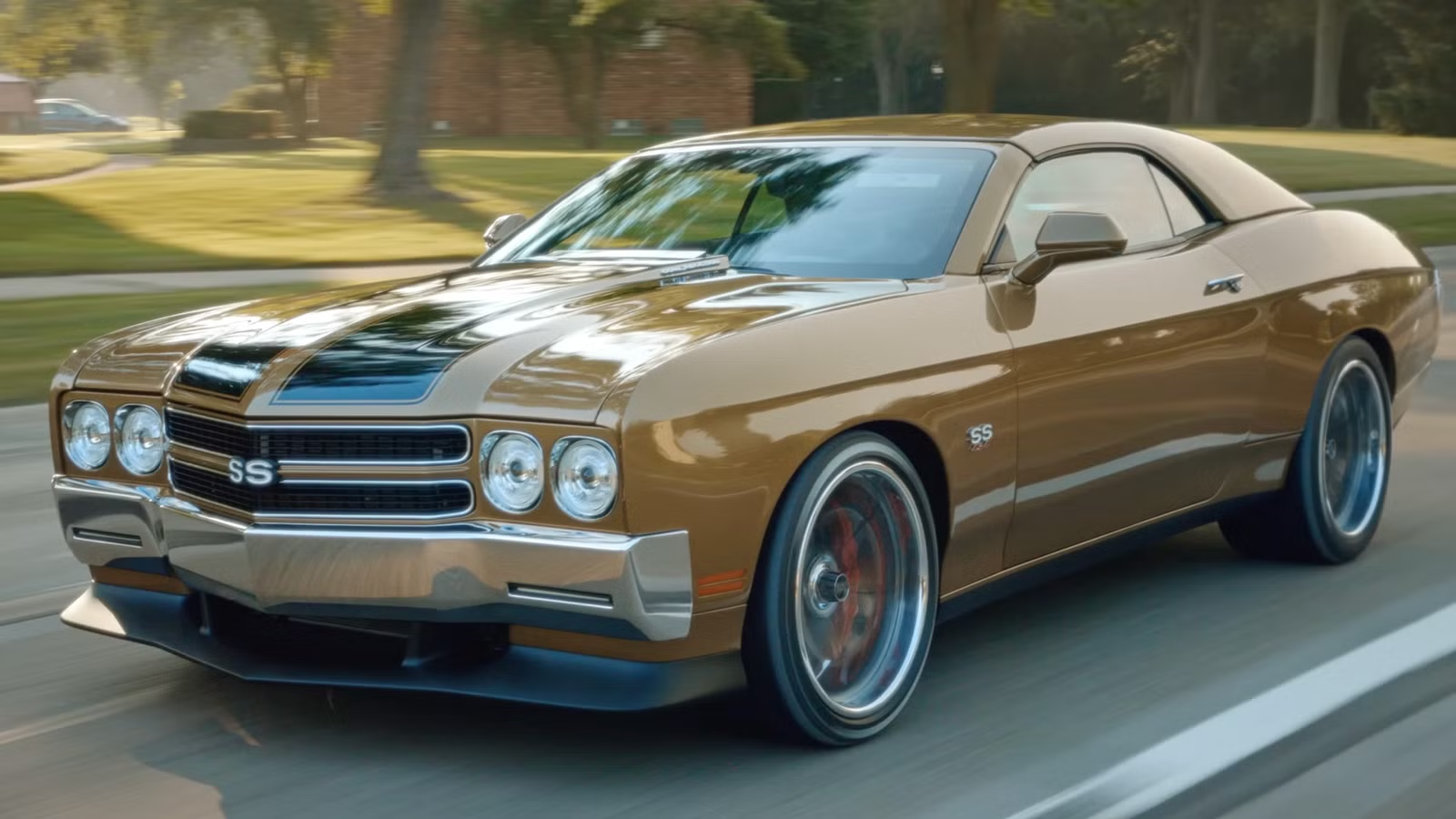
The Chevelle name still hits like a socket wrench dropped on concrete. Muscle car fans have begged for a comeback, but this 70/SS isn’t a new Chevrolet. Think Camaro bones under 1970 Chevelle styling, not a reboot.

This build comes from Trans Am Worldwide, the same crew trusted by Firebird diehards. The top-spec LS6X gets a carbon-fiber body and a twin-turbo V8 rated at 1,500 rear-wheel horsepower. Obscene power for a car in 1970s clothes. Old-school shape, modern engineering, and enough presence to spark garage arguments again. This 70/SS blends Chevelle heritage, modern tech, and high-dollar exclusivity into serious muscle.
UPDATE: 2026/10/31 11:39 EST BY ERIC TIPAN
This article has been updated with corrected 70/SS launch history, verified engine specifications and horsepower claims, clarified production limits and pricing, updated interior and craftsmanship details, improved technical accuracy, refreshed photo metadata, relevant fun facts, and revised links to better reflect the car’s engineering, exclusivity, and Chevelle heritage.

This 2026 Chevelle 70/SS Comes From Trans Am Worldwide
Anyone can chase the Chevelle badge for clicks. Only a handful of builders have earned real trust from muscle fans, and Trans Am Worldwide sits on that list. Based in Tallahassee, the company made its name turning modern Camaros into Pontiac-inspired Trans Ams. That track record matters when someone attempts to resurrect a Chevy legend.
The 70/SS didn’t debut in 2026, despite the headlines. It officially broke cover in 2022 and kept evolving. In 2025, collector Earl Newman took delivery of a custom example inspired by his 1970 LS6 Chevelle pilot car, the earliest documented example. That’s a serious connection to the original.

A sixth-generation Camaro sits beneath the hand-laid carbon-fiber body. No fiberglass shortcuts. The real jaw-dropper? Trans Am Worldwide claims 1,500 rear-wheel horsepower from the limited LS6X’s twin-turbo 454. Only 25 LS6X cars were planned. The extreme 1,500-hp package gets upgraded suspension, axles, differential, and bigger brakes. That power still has to get from the engine to the rear tires, and it won’t get there by wishful thinking.
Customers can spec paint, wheels, and trim. This isn’t a Chevrolet factory comeback, and it never pretends to be. It’s coach-built muscle with a 1970 face and modern engineering underneath.
Fun fact: Trans Am Worldwide co-founder Tod Warmack said the 70/SS took seven years to develop before its May 2022 unveiling.
The 1,500 HP Engine In The 2026 Chevelle 70/SS Is Simply Wild

Under the hood, the 70/SS offers several ways to make power. The limited 454 LS6X can use a Magnuson supercharger for a claimed 900 rear-wheel horsepower, but the 1,500-hp version gets twin turbos. That’s the important distinction. Trans Am Worldwide advertises boost-by-speed control, which is meant to manage how much boost reaches the tires.
Stopping a car like this from becoming a straight-line meme takes hardware that handles abuse. The 1,500-hp package adds upgraded axles, rear differential, suspension, and oversized brakes. The upgrades have a job: send the power toward the pavement without treating stock components as disposable parts.

Cooling and drivability matter at this level, although the manufacturer’s “streetable” claim isn’t the same as an independent road test. The convertible layout, optional removable hardtop, and available manual transmission give the 70/SS a different kind of muscle-car appeal. And a Hurst shifter keeps the cabin’s throwback theme going.
A Dodge Challenger Demon 170 was engineered around quarter-mile performance. The 70/SS takes another route: Camaro-based underpinnings, a 1970-inspired carbon-fiber body, and power options that reach four figures. There’s plenty to brag about here. Just don’t confuse the supercharged 900-hp version with the twin-turbo 1,500-hp monster.

2026 Chevelle 70/SS Specs
|
Engine |
Supercharged 454-based LT |
|
Power |
1,500 hp |
|
Transmission |
Manual options with Hurst hardware |
|
Body |
Full carbon fiber |
|
Tires |
Michelin Cup 2R |
|
Suspension |
Viking coil-overs |
|
Rear End |
Strange 9-inch GForce setup |
Fun fact: Trans AM Worldwide previously built the Bandit Edition Trans Am, with cars personally signed by Burt Reynolds.
The Cabin Blends Retro Muscle Vibe And Modern Build Quality

Slip into the 70/SS, and the first hit is nostalgia without the cheap time-machine schtick. Retro gauges sit where you expect them. A horseshoe shifter brings a bit of 1970 back to the automatic, while manual cars get Hurst hardware. The ’70-style seats, console, and loop carpet finish the throwback act.
But look around. This isn’t a preserved Chevelle cockpit, and it doesn’t pretend to be. The 70/SS starts life as a sixth-generation Camaro, so its dashboard architecture remains beneath the custom upholstery and trim. Reworked seats and door panels, plus a custom steering wheel, make the biggest visual difference.

The carbon-fiber body does the heavy lifting outside. Inside, the builder hasn’t thrown away everything modern just to recreate the past. That matters because modern electronics can stay in place without forcing vintage controls to do a new job. The 70/SS takes the opposite route: keep the Camaro foundation, then dress the parts you actually see.
Embroidered 70/SS details can add another layer of character, depending on the build. But the real appeal isn’t pretending it’s factory-original. Fans want history, not a prop. The 70/SS delivers that look while keeping its modern roots in plain sight.
Fun fact: Trans Am Worldwide specifies old-school loop carpeting alongside the 1970-style seats and console.
Only A Few Will Own This Chevelle, Making It Valuable

Pricing tells a story in the modern muscle world, and this one speaks the language of collectors and serious builders. Trans Am Worldwide’s 2022 announcement put the 70/SS at $150,000 to start, but that isn’t a verified 2026 price. Its current 70/SS listing asks buyers to request pricing instead of posting a fixed sticker. The difference lies in volume and craftsmanship. You pay for a carbon-fiber-bodied, custom-built Camaro conversion, not a factory Chevelle.

Production stays tight. The lineup starts with a 450-hp LT1, and the 396 Heritage offers up to 900 rear-wheel horsepower with twin turbos. Then comes the 454 LS6X. Trans Am Worldwide claims up to 1,500 horsepower at the rear wheels, and the entire LS6X edition is capped at 25 cars. That extreme version also gets upgraded axles, differential, suspension, and brakes. With power like that, the supporting hardware can’t be an afterthought.

Coach-built muscle hits differently than factory muscle because each car carries a build story. Buyers can choose paint, wheels, and trim. Trans Am Worldwide sells individuality, not dealership quantity. But low production numbers don’t automatically guarantee appreciation. Buy it for the Chevelle shape and Camaro running gear, not a promised payday.
Sources: Trans Am Worldwide

Related posts




Latest Post


No Comments