
Why A Sport-Touring Bike Could Be The Only Motorcycle Some Riders Ever Need
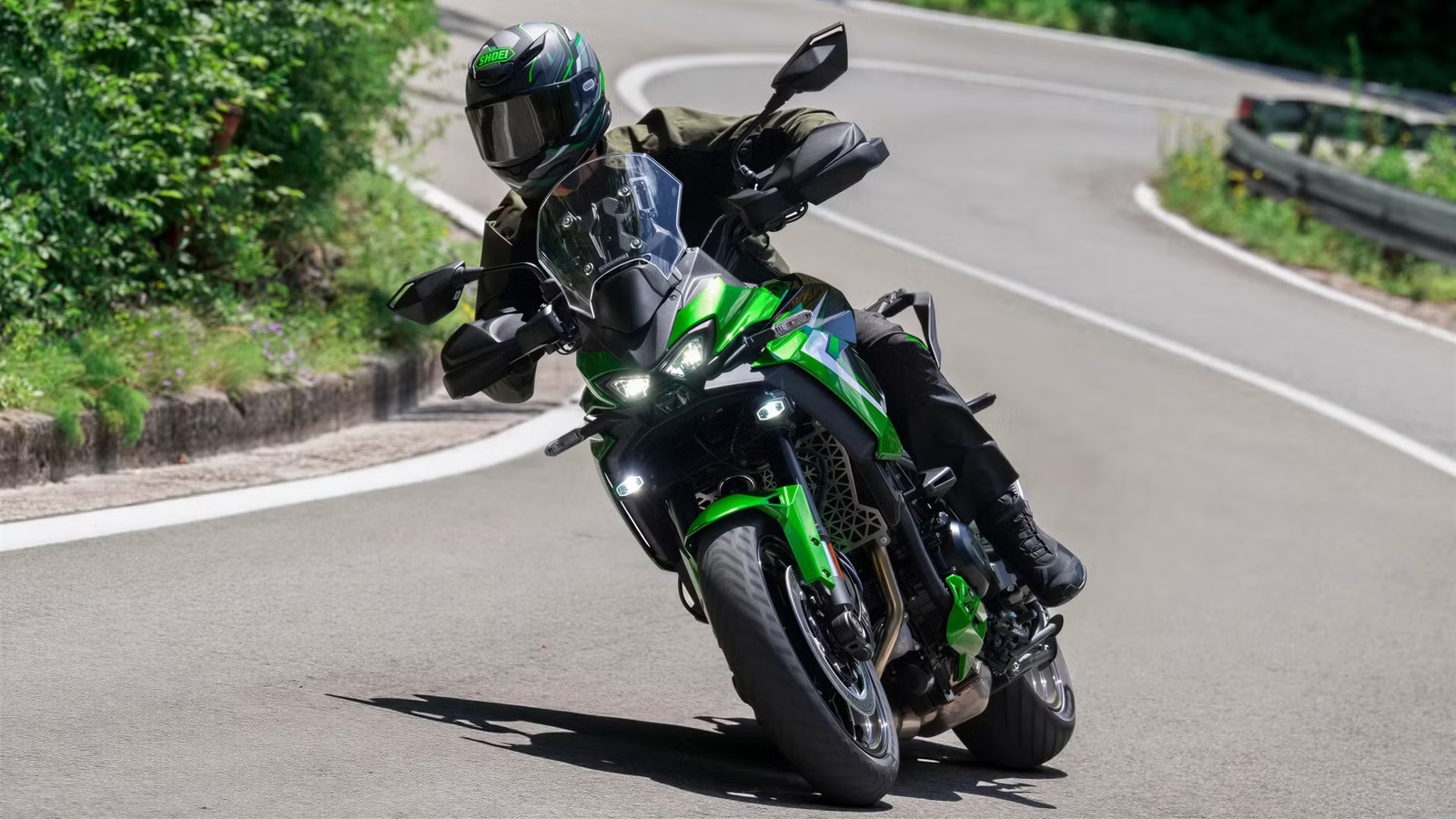
When it comes to versatility, adventure motorcycles constitute the most well-rounded segment. However, for daily riding, ADVs are overkill because most riders won’t spend enough time on rough terrain to use their off-road capabilities to their full potential. It makes more sense to focus on versatile, tarmac-focused motorcycles. This is where sport-touring motorcycles edge out ADVs, offering more day-to-day flexibility.

The combination of sporty performance, comfortable ergonomics, a tall, upright riding stance, and sharp handling blends sportiness and comfort. Thoughtful technology further strengthens the case for sport-tourers as the most practical do-it-all motorcycle style. A segment once in limbo is now the most sought-after, and the recent wave of new sport-tourers proves it.
Why Sport-Tourers Are More Usable Do-It-All Motorcycles Than ADVs
Sport-touring motorcycles edge out ADVs with superior high-speed handling, a lower center of gravity, and better daily road comfort. Sure, ADVs are more capable on trails and challenging off-road tracks. But they achieve this by sacrificing comfort, employing long-travel suspension, and using a heavier, more durable chassis. This setup also adds weight with off-road crash bars, sub-frame protection, and heavier dual-purpose tires wrapped around laced wheels.

Furthermore, sport tourers generally offer better fuel efficiency ratings due to road-optimized engine tuning and lower aerodynamic drag. They are also more accessible, with lower seat heights and wind protection that adds to touring and daily-ride comfort and convenience. Their lack of off-road capability compared with ADVs is a downside. Still, this downside doesn’t affect most riders, since motorcyclists who religiously take their bikes off-road are a niche bunch.
How Sport Tourers Can Do Almost Everything Well

There are do-it-all bikes available across varied motorcycle styles ranging from dual sports, naked bikes, and even sport bikes. But these examples have notable limitations. The most versatile do-it-all motorcycles that can excel everywhere are ADVs. But they offer a roughly 50/50 split between on-road and off-road capability. Sport-tourers, on the other hand, focus solely on tarmac riding, which is where motorcyclists realistically spend most of their riding time. That’s what sets sport-tourers apart from other do-it-all bikes: a do-it-all package you can use daily.
Offer The Best Of Both Worlds
This is the only motorcycle style that equally blends thrilling sportbike-grade performance, sharp brakes, and responsive handling with the relaxed, upright ergonomics of an all-day touring motorcycle. A sport-tourer gives riders enough confidence to drag a knee on a twisty mountain road in the morning and ride 500 miles home after lunch without fatigue. No other motorcycle style can replicate this combination.
Sharp Handling, Weight Advantage, Sporty Aesthetics

Despite more comfortable, longer-travel suspension, sport-tourers still deliver sharp, engaging riding dynamics. This is thanks to adaptive and, in some cases, electronic suspension and grippy, road-focused tires. They also pack lightweight alloy wheels that reduce unsprung mass and help with nimble direction changes.
Most sport-tourers share chassis components with track-focused sportbikes, which helps the sporty feel. Also, for a comfort- and touring-focused motorcycle, sport-tourers are impressively lightweight, which translates to a strong power-to-weight ratio. For example, theSuzuki GSX-S1000GT+with standard weatherproof side cases, a comfy seat, and commendable wind protection weighs under 500 pounds. For reference, a barebones Harley-Davidson Softail—the Street Bob—weighs well over 600 pounds.
The weight advantage of sport-tourers greatly influences their riding dynamics. Their sporty looks further elevate the overall riding experience. Despite their practical stance, manufacturers manage to make sport-tourers look desirable and, in some cases, even exotic. Examples of head-turning sport-tourers include the MV Agusta Turismo Veloce, the wild Kawasaki Ninja H2 SX SE, and the Ducati Multistrada V4 RS, among others.
All-Weather Capability And Practicality Add Touring Finesse

Sport-tourers show how practical design features can coexist with aerodynamically efficient, sharp design language. Tall windscreens, ample leg protection, and side cases are neatly integrated into the motorcycle design and don’t look like aftermarket add-ons. They also offer ample seating space for two-up touring. The Kawasaki Versys lineup of sporty touring bikes is a prime example of how practicality, all-weather capability, and convenience features can co-exist.
Its flagship models even get flush-integrated cornering lights at the front. The Versys 1100 SE LT and the Ninja H2 SX SE come standard with heated grips and offer optional heated seats. The MV Agusta Turismo Veloce SCS boosts touring comfort with its Smart Clutch System, which delivers a simplified twist-and-go riding experience by eliminating manual clutch engagement.
Modern Technology Features Elevate Its Versatility Further

Technology features play a vital role in stitching together a sport-tourer’s do-it-all appeal. TFT screens with smartphone connectivity make it easy to access phones for turn-by-turn navigation, live traffic updates, and phone and media controls. Various ride modes, power modes, and ride-enhancing safety features make even 150+ horsepower sport-tourers comfortable for daily riding.
Features like adaptive cruise control, electronically adjustable suspension, cornering ABS and traction control, and wheelie control tame these powerful machines into daily-ridable ones. The most technology-rich options are flagship models like the supercharged Kawasaki Ninja H2 SX SE, the Ducati Multistrada V4 RS, and the Suzuki GSX-S1000GX. All of these models have six-axis IMUs that seamlessly fuse data from various sensors. Bidirectional quickshifters, adaptive stabilization (courtesy of electronic suspension), and blind-spot detection are also highlighted features.
Exciting New Wave Of Sport-Tourers Proves Its Demand

The Yamaha Tracer 9, the Kawasaki Ninja 1100 SX SE, and the Suzuki GSX-S1000GT+ are now popular names in the sport-touring business. Honda is also set to bring the new and highly anticipated CB1000GT to America soon. But beyond these, we’re seeing a rise in more compact, middleweight sport-tourers that make a stronger case for daily riding. With their middleweight size and weight advantage over flagship models, manufacturers are introducing exciting new options for the American market. The Yamaha Tracer 9 proves that the formula works.
Middleweight Sport-Tourers For The Win

New models following the proven middleweight sport tourer formula include the Triumph Tiger Sport 800, the Suzuki SV-7GX, and the Kawasaki Versys 900 SE LT. Triumph also offers a full-fledged touring-focused version of the Tiger Sport 800 complete with standard side cases and a top box. The Suzuki SV-7GX is highly versatile and promises impressive reliability and refinement thanks to its iconic V-twin engine from the SV650 streetfighter. The Kawasaki Versys 900 is the newest sport-tourer in the segment and makes good use of the punchy, extremely reliable inline-four engine from the Z900 streetfighter.
Sources: Honda Powersports, Suzuki Cycles, Triumph Motorcycles, Yamaha Powersports, Kawasaki, and BMW Motorrad.

Related posts






Latest Post


No Comments