
Why A Naked Bike Can Be A Better Long-Term Purchase Than A Fully Faired Sport Bike
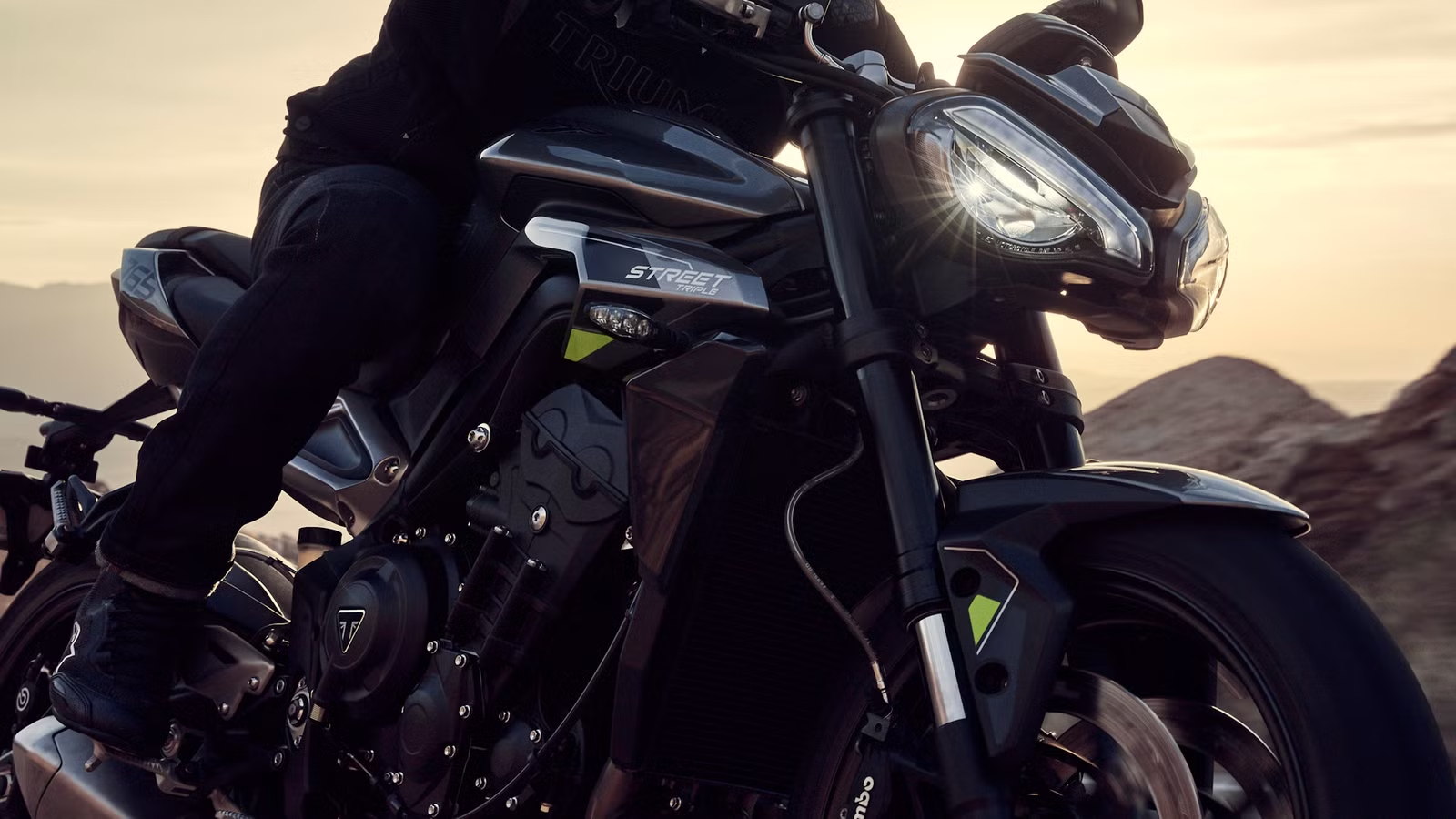
The attractiveness of sport bikes is so persuasive that a purchase decision barely prompts you to give it a second thought. The clip-ons, angular fairing, and the sense that everything has been shaped for speed are part of that attraction. And it’ll serve you well for the most part with thrilling performance and grabbing attention wherever you go. Many years down the line, however, that sport bike lifestyle may give way to spending weekdays crawling through traffic as your schedules get busier.

You might be looking forward to the following weekend to actually use it for what it’s meant for, but your partner complains about the non-existent passenger perch. Life has its strange ways to change your priorities as the clock ticks away. Once a motorcycle becomes part of normal life rather than being just a new toy, it’s the easier machine to live with that starts making more sense.
What Feels Special At First Is Not Always What Matters Later
Most riders buy the bike for the riding that they imagine doing most. Empty roads tend to feature heavily in that romanticized picture. Parking, fuel stops, short errands, and an hour on the freeway before the good roads start are conveniently edited out. Reality promptly fills them back in. A weekend bike may become a commuter. A rider who never cared about luggage may eventually want enough room for an overnight trip. So even without a major lifestyle change, ownership adds plenty of slow, ordinary moments that never appear in a carefully curated product launch video.


Those are the miles where a naked bike’s layout stops looking like the stripped-down option you’d imagine it to be. A wider handlebar gives proper leverage in traffic, while a more upright rider triangle is less demanding on your body at ordinary road speeds. Less bodywork also means fewer layers around the mechanical parts you eventually need to reach for service or replace in an unforeseen eventuality.
The sport bike does have its place. A proper fairing is aerodynamically optimized to cut through the wind and shield the rider from the wind blast. A tucked riding position makes more sense as speeds rise, and on a track or a long highway run, these benefits are realistic. The question is, how often will you keep using them? And it gets even more interesting when the naked and faired motorcycles underneath are much more closely related.
Sometimes The Naked Bike Keeps Most Of The Motorcycle You Wanted

Yamaha’s 2026 MT-07 starts at $8,599, while the YZF-R7 retails at $9,399. Both are built around Yamaha’s 689cc CP2 parallel-twin. The R7 adds a more focused chassis package that places you lower ergonomically, and inside a full bodywork. Yet the engine character drawing riders to both motorcycles comes from the same basic source.
Suzuki makes the family resemblance all the harder to miss. The $9,249 2026 GSX-8S and the $9,699 GSX-8R both use the same 776cc parallel-twin and share their wheelbase, seat height, brakes, tire sizes, and core electronics. The 8R gets different suspension and a wind-tunnel-developed fairing. The 8S weighs seven pounds less at 445 pounds, and those primarily sum up the differences. So are you really losing out on anything?
Paying Less Does Not Necessarily Mean Losing The Good Hardware

On pairs like these, the naked bike is not merely the cheaper motorcycle with the desirable parts removed. Much of the expensive engineering already exists on the platform. The engine, brakes, electronics, and major chassis architecture are usually retained even though the riding position and appearance move in a different direction.
If most of your mileage happens below speeds where the aerodynamic bodywork is doing its best work, then the naked version preserves much of what made its sibling appealing in the first place, minus the fairing. The monetary savings may be modest, but paying less for a motorcycle that better suits the miles you actually ride is simply a more honest decision for the long haul.
Fewer Layers Can Make An Old Bike Easier To Keep

A fairing is not dead weight. On a sport bike, it is part of the motorcycle’s function as much as its appearance. Unfortunately, it is also finished bodywork sitting one accidental tip-over away from the ground. A zero-speed drop can leave the machine mechanically fine while scuffing or cracking a painted panel. A naked bike can still punish carelessness with a dented tank, snapped levers, bent radiators, and scuffed engine covers because they too don’t enjoy meeting the pavement. But there are simply fewer large panels involved, and harder parts are harder to scratch and crack.
Routine Maintenance Makes Simpler Packaging Easier To Appreciate

Removing and refitting fairings repeatedly over scheduled oil changes, track days when you’re replacing them with lighter ones, or even simple accessory wiring and battery access becomes annoying. Some naked bikes still hide fasteners behind tank shrouds and aesthetic panels, so there is no universal shortcut, but they definitely make life easier by removing some preliminary work before the actual job begins. For home mechanics who maintain or modify their own motorcycles, the fewer exterior pieces also mean fewer chances of worn-out or even lost clips, tabs, and fasteners.
The Riding Position Has To Age With You

Ergonomics can age differently from performance. Low clip-ons and a forward-biased torso position start taking a toll on your neck, shoulders, and back as you spend more hours and years behind a desk for more hours of the day. A naked bike’s upright and more neutral posture almost eliminates these issues entirely or makes them less apparent, meaning longer hours behind the bars whenever you have the time. They also leave a little wiggle room for the bike’s job to change. A small screen, soft luggage, or a rear rack can push many naked bikes toward commuting or light touring duties without fundamentally altering them.
A Sport Bike Still Wins When You Keep Using Its Specialization

There is no clever accessory that gives a naked bike the calm pocket of air created by a well-designed full fairing. Riders who spend hours at highway speed will notice that, and regular track riders have even less reason to treat the sport bike’s layout as a burden. Low bars, aerodynamic bodywork, and a committed riding position make sense when the motorcycle keeps being used where those choices work best.
If the bike is likely to accumulate commuting miles, weekend rides, home maintenance, short trips, and the occasional longer journey, the naked version leaves more room for a change of intent. It can still be properly quick and share much of the hardware with the more appealing faired model, yet ask you fewer favors during the ordinary miles that eventually make up most of a motorcycle’s life.
Source: Various Manufacturers

Related posts


Latest Post


No Comments