
Toyota’s Redesigned Hybrid SUV Is Still A Serious Threat To Every Rival
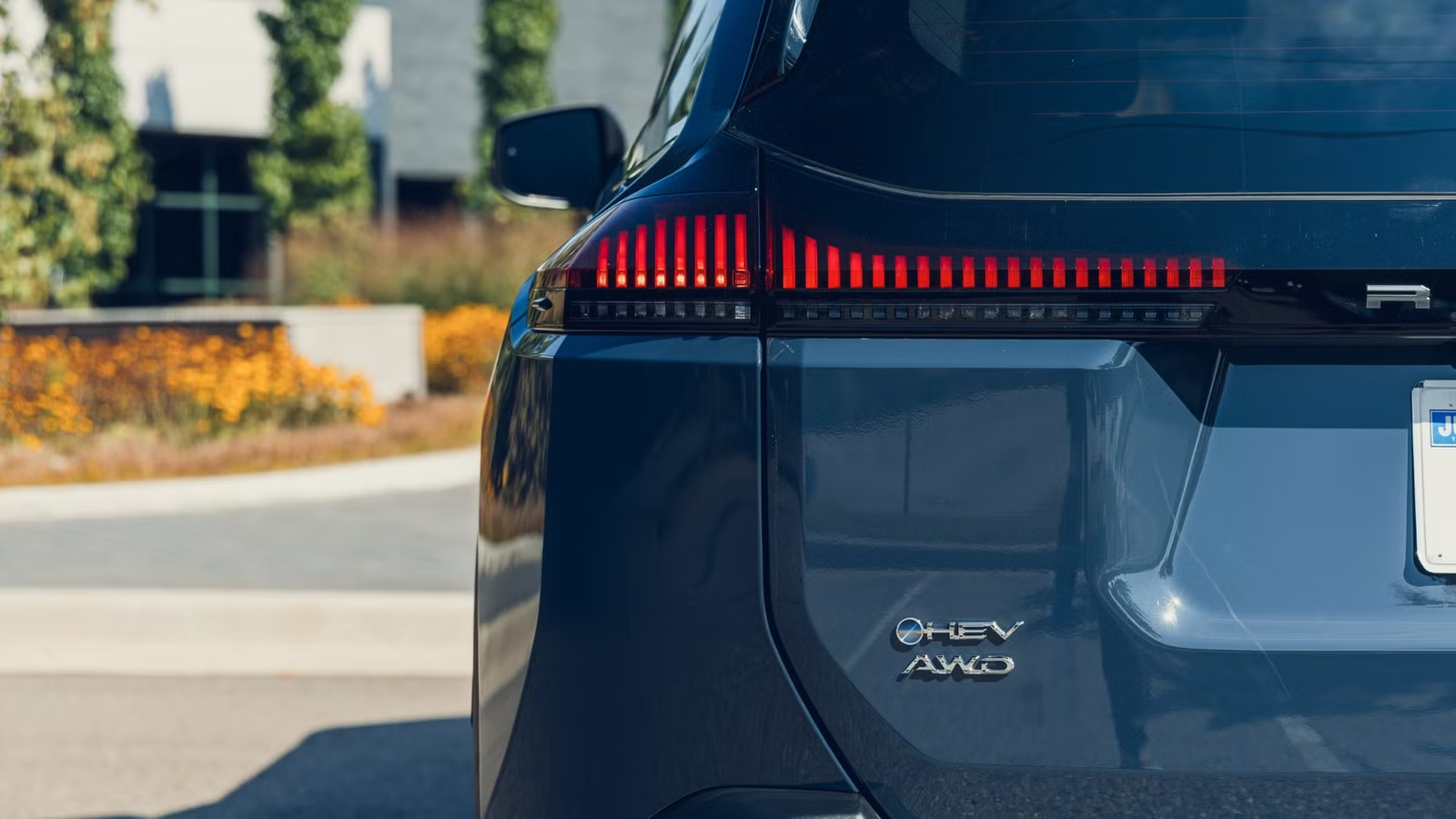
Toyota has never been a brand that rests on its laurels — and given the RAV4’s status as America’s best-selling SUV, that instinct matters more than ever. In a segment crowded with capable challengers, the temptation to simply coast on an established formula would be understandable. Instead, Toyota has torn up the playbook for 2026, delivering a ground-up redesign that doesn’t just defend the RAV4’s crown — it widens the gap. More power, a fully electrified lineup, sharper styling, and a base-spec value proposition that rivals simply can’t match: this is Toyota playing offense.

With efficiency, longevity, and mechanical reliability at the heart of Toyota’s ethos, the brand has won over consumers with its reputation as the ultimate sensible purchase for straightforward, fuss-free motoring. And whilst this is clearly what speaks to the mass market, there are a few areas that the Toyota philosophy has historically deprioritized: predominantly speed, status, and luxury. With several changes made for 2026, Toyota has evolved the formula to address those bases more directly. But does this create the ultimate vehicle of its segment?
Toyota RAV4: The Ultimate Generalist SUV In The U.S.
The previous RAV4 generation, introduced in 2019, earned a reputation for its do-it-all nature. It’s the reason why Toyota could move over 680,000 models in 2025 alone, making it America’s favorite SUV — in other words, the country’s highest-selling SUV for 2025. The credit goes to just how practical and reliable the fifth-generation RAV4 was. While there were better compact SUVs on the market in specific areas, the RAV4 ticked all the right boxes to cater to a wide audience.

Despite doing most things an average buyer would ever demand from it, the fifth-generation model was starting to feel a bit long in the tooth. That is no longer the case. Toyota has updated the RAV4 for 2026 with a full toe-to-tail redesign, inside and out. This new RAV4 delivers fully electrified performance, better efficiency than before, and a host of new tech and interior upgrades — all wrapped in a fresh, sharper design that brings it in line with Toyota’s newer models. If anything, the 2026 RAV4 only builds on its predecessor’s generalist persona.
Toyota Introduced A Lot Of Features And Changes To The 2026 RAV4


Marking the start of the sixth generation of the RAV4, Toyota has made sweeping changes to the lineup — ones that went beyond a facelift. Reflecting the manufacturer’s firm commitment to electrification, the 2026 RAV4 is a hybrid-only model now, marking the official end of gas-only options. Buyers now choose between a hybrid and a plug-in hybrid. This move underscores Toyota’s confidence in its latest hybrid system, which outperforms the old gas-only offerings and makes an electrified powertrain the smarter choice for most buyers.
Bringing its looks more in line with Toyota’s broader brand vision, the new styling echoes the direction taken with the recent Camry and Prius. Slimmer LED headlights and sharper character lines update the RAV4’s traditional boxy stance, steering it away from the utilitarian aesthetic of older Toyotas toward a more refined, technical look — without sacrificing much of its rugged character. Whilst this may not please everyone, it could attract consumers who want something a little more striking than the Toyota of old, perhaps those who might otherwise consider a German competitor.
A Generous Performance Overhaul

Performance has traditionally sat lower on Toyota’s priority list, so it may come as a welcome surprise that the 2026 RAV4 places noticeably more emphasis on acceleration. The sixth generation steps up from 302 horsepower to a more muscular 324 horsepower in its higher-spec plug-in hybrid trim, while also improving EV-only range and introducing 50 kW DC fast charging — enough to take the battery from 10 percent to 80 percent in roughly 30 minutes.
However, it’s the base model that is the real game changer — not so much because of numbers on a spec sheet, but because of Toyota’s democratization of instantaneous electrified torque, available even in the cheapest car in the new RAV4 lineup. With all of its base-spec 2026 rivals, including the CR-V, the Sportage, and the Mazda CX-5, still relying on gasoline engines, Toyota now holds a significant advantage. The new hybrid not only delivers a meaningful uplift in key features at the base spec compared to competitors, but it also produces a vehicle that simply feels far more capable thanks to that electrified boost.
2026 RAV4 Pricing And Different Trim Levels

Starting at $31,900, and despite all the enhancements to performance, standard equipment, and design, the 2026 Toyota RAV4 remains an excellent value proposition. Whilst the starting price is a touch higher than some rivals, the Honda CR-V is only around $1,000 cheaper at the base spec. Considering the substantial efficiency advantage the hybrid delivers — often 10–20 mpg better than the Honda — you will recoup that initial premium quickly. In return, you get a more modern-looking vehicle that will cost less to fuel going forward and feels significantly quicker. The most affordable direct rival remains the 2026 Kia Sportage, which starts at $28,690.
The base spec’s headline feature is, of course, the hybrid system, but it also includes a new 10.5-inch touchscreen and a 12.3-inch digital instrument cluster, giving even the entry-level cabin a genuinely modern feel. The SE model adds a sportier edge with 18-inch black wheels, blue interior stitching, and sport-tuned suspension. Climbing the trim ladder brings more premium touches such as heated seats, a power moonroof, and — at the top of the range — AWD, a larger 12.9-inch display, a JBL sound system, and ventilated seats. Whilst these amenities are all welcome additions, it is the democratization of hybridization that makes the base spec the most compelling entry in the lineup.
Other Improvements And Rival-Beating Tricks


Whilst Subaru and Honda are wonderfully reliable brands that consistently rank highly in JD Power and Consumer Reports reliability surveys, Toyota remains the undisputed king on this front. With an extremely mature hybrid system and the rigorous stress testing for which Toyota is renowned, buyers can step into the world of electrification with confidence in the vehicle’s long-term dependability. On top of that, the RAV4 leads all of its rivals on resale value. After five years and 67,000 miles, the vehicle is forecast to lose just 28 percent of its value, with the CR-V a close second at 29 percent.
Another significant advantage for the RAV4 lower down the range is towing capacity. Whilst the base-spec FWD trim can tow a predictable 1,750 pounds, the SE/XLE AWD variants are rated for an impressive 3,500 pounds. Rivals like the Mazda CX-50 and Subaru Forester can match that 3,500-pound figure, but only at higher trim levels. The CR-V, by contrast, maxes out at just 1,000 pounds regardless of specification.
Sources: CarEdge, JD Power, iSeeCars, Toyota, Honda

Related posts


Latest Post


No Comments