
Toyota Replaced Over 77,000 Engines, But Some Tundra Owners Don’t Trust The Fix
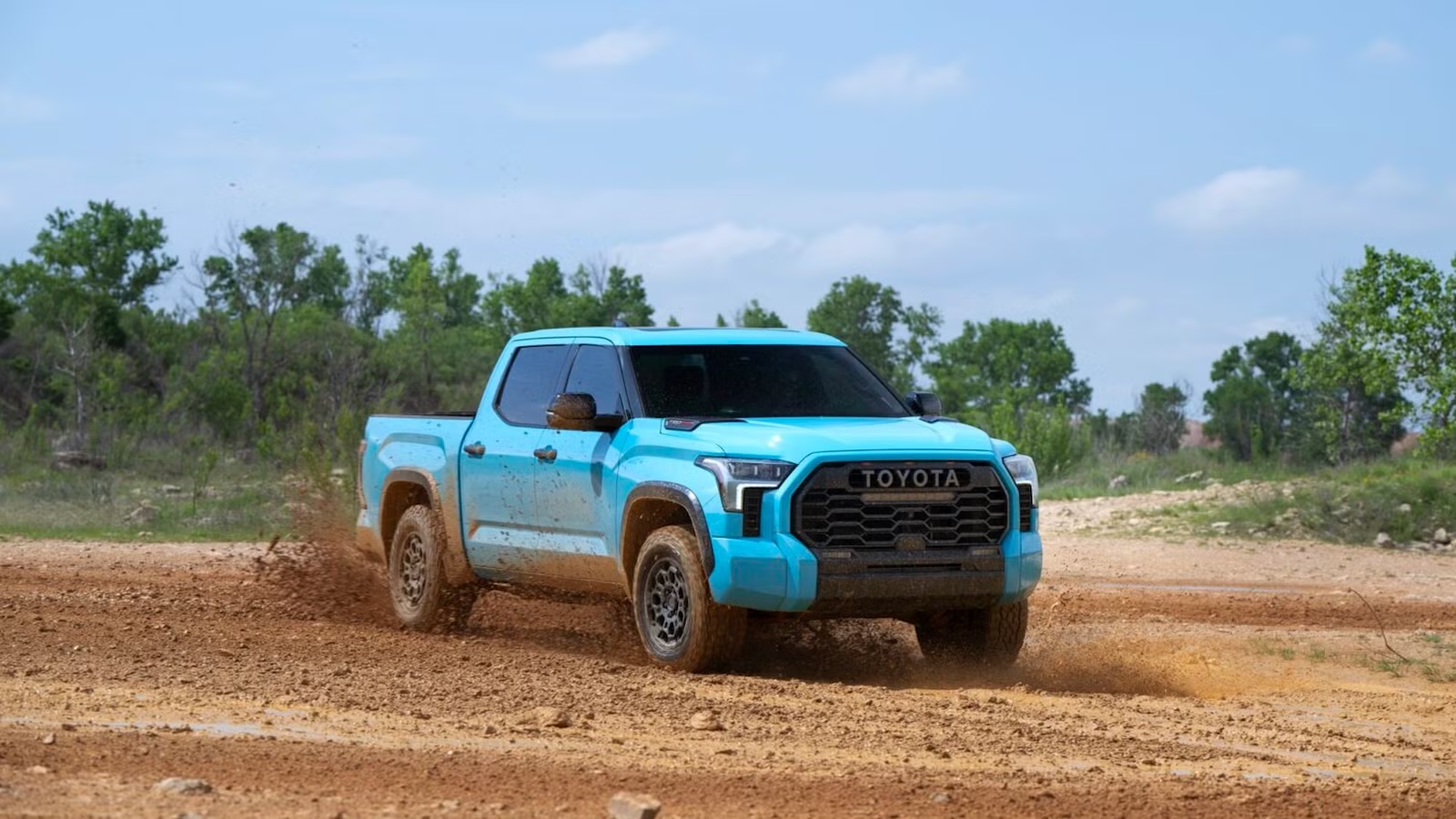
Toyota, out of all automakers, has established one of the strongest reputations for dependability through decades of consistency. Hundreds of thousands of miles on the odometer were once considered commonplace across a diverse range of Toyota vehicles, from small, efficient compact cars to full-size pickup trucks. However, cracks in the armor have recently begun to show, and the latest Toyota Tundra engine recall is one of the brand’s most significant tests of its reputation in recent history. As of mid-2026, the Japanese automaker had replaced more than 77,000 engines in a recall campaign that has expanded to cover over 270,000 vehicles. However, even owners who have received the official fix remain skeptical.
Toyota’s Tundra Engine Problems Have Become Difficult To Ignore

The recall affecting the current-generation Toyota Tundra continues to expand, and owners have begun questioning both the underlying issue and the effectiveness of the available remedies.
More Than 270,000 Trucks Have Been Caught Up In The Recalls

The 3.4-liter twin-turbocharged V-6 that powers several larger vehicles across Toyota’s lineup is at the center of a sprawling recall campaign that has already expanded through three waves. Most recently, a May 2026 expansion added 43,566 2024 Tundra models, and Toyota had replaced over 77,000 engines by mid-2026. This isn’t just another recall affecting a small number of vehicles; the full extent of its impact remains significant. For a pickup truck and a brand with such a strong reputation for long-term reliability, this recall is already a major blow.
Manufacturing Debris Is Linked To Potentially Catastrophic Engine Damage
Toyota’s official position is that machining debris left behind during production can remain inside the engine and damage the bearings by disrupting the protective oil film. Independent analyses have also pointed to this issue, but not everyone is convinced that debris alone explains the failures.

Some owners and outside observers have questioned whether other underlying factors, such as bearing lubrication or design, could also be involved. The precise contribution of these factors remains disputed, leaving owners with a level of anxiety they likely never anticipated when purchasing a truck marketed for its dependability.
Toyota’s New Hammer Test Is Why Some Owners Don’t Trust The Fix

Part of the distrust surrounding the current remedies stems from Toyota’s changing approach to resolving the issue, sparking debate over whether the latest procedure adequately addresses the problem or represents the best available solution.
A Software-Assisted Inspection Replaced Automatic Engine Replacement For Some Trucks

When this issue first came to prominence in 2024, Toyota promised free engine replacements for affected vehicles under the applicable recall. However, subsequent recall campaigns introduced an additional step: engines must now fail a software-assisted inspection to qualify for replacement under the newer remedy.
The test involves a specialized procedure in which a plastic hammer strikes the crankshaft pulley, while a system evaluates the crankshaft’s response to assess potential bearing damage. This diagnostic procedure is intended to identify engines that require replacement rather than automatically replacing every affected engine.
Reports Of Replacement Engine Failures Have Deepened Owner Skepticism
Compounding the distrust are reports of owners experiencing similar failures even after their engines have been replaced. These reports have led some owners to question whether the underlying issue has truly been eliminated and whether the current remedy provides the level of assurance they expect. Consequently, the diagnostic test has done little to ease some owners’ concerns, despite Toyota’s statement that later-produced engines received an update to the No. 1 main bearing specifically intended to address the issue.

Continued distrust in the current remedy has encouraged some owners to take matters into their own hands, for better or worse.
Some Owners Are Changing Their Oil At Just 500 To 1,000 Miles
According to Torque News, some owners of 2026 Tundras are performing unusually early break-in oil changes at their own expense in the hope of flushing out potential manufacturing debris. One owner reported receiving a shop quote of up to $210 for an oil change using premium synthetic oil, which is no small expense. According to Toyota, the published maintenance schedule calls for oil changes at 10,000-mile intervals under normal operating conditions. However, the available reporting does not establish how widespread this practice is among new Tundra owners.
An Early Oil Change Cannot Guarantee Protection Against Bearing Failure

Although there is no guarantee that this DIY approach will work, owners are doing what they can to avoid the time-consuming and complicated process of an engine replacement. The problem is that an oil change alone cannot reliably remove debris already lodged inside an engine or reverse bearing damage that has already occurred.
However, any owner in this situation would likely do everything possible to avoid becoming the victim of an engine failure. Rental cars, lengthy replacement wait times, and the frustration of being without a vehicle you paid good money for are enough to leave any new vehicle owner livid.
Toyota Must Restore Owners’ Confidence Beyond The Recall Repairs

While the ongoing recall addresses the immediate safety concern, rebuilding trust among concerned customers after their vehicles leave the dealership is an entirely different challenge.
Free Recall Repairs Matter More Than Paying For Extra Maintenance
Toyota is honoring qualifying recall repairs free of charge, and affected owners should follow the official recall instructions to ensure the issue is addressed appropriately. While ToyotaCare covers specified maintenance for two years or 25,000 miles, that coverage should not be confused with recall eligibility.
If you own a 2022–2024 Tundra, check your vehicle identification number (VIN) through the National Highway Traffic Safety Administration (NHTSA) or contact your local Toyota dealer for further instructions. If your truck exhibits potential warning signs, such as engine knocking, loss of power, or rough idling, contact a dealer promptly.
Toyota’s Long-Term Reputation Depends On Whether The Fix Holds Up

The massive scale of this engine replacement campaign represents one of Toyota’s most significant challenges in recent years, as the brand has long relied on its reputation for long-term durability. How this situation is handled will leave a lasting mark on that reputation. Greater transparency about the inspection process and clearer explanations of which engine components have been revised since the recalls began could help rebuild owners’ trust.
For now, there is a clear gap between the reassurance Toyota’s remedies are intended to provide and the confidence some owners actually feel. After spending $40,000 or more on a vehicle, no owner wants to worry about whether its engine will hold up.
Sources: Toyota, Kelley Blue Book, Torque News, NHTSA

Related posts




Latest Post


No Comments