
Toyota Hybrid Battery Replacements Can Cost $12K At Dealers, But Independent Shops Are Doing It For $2K
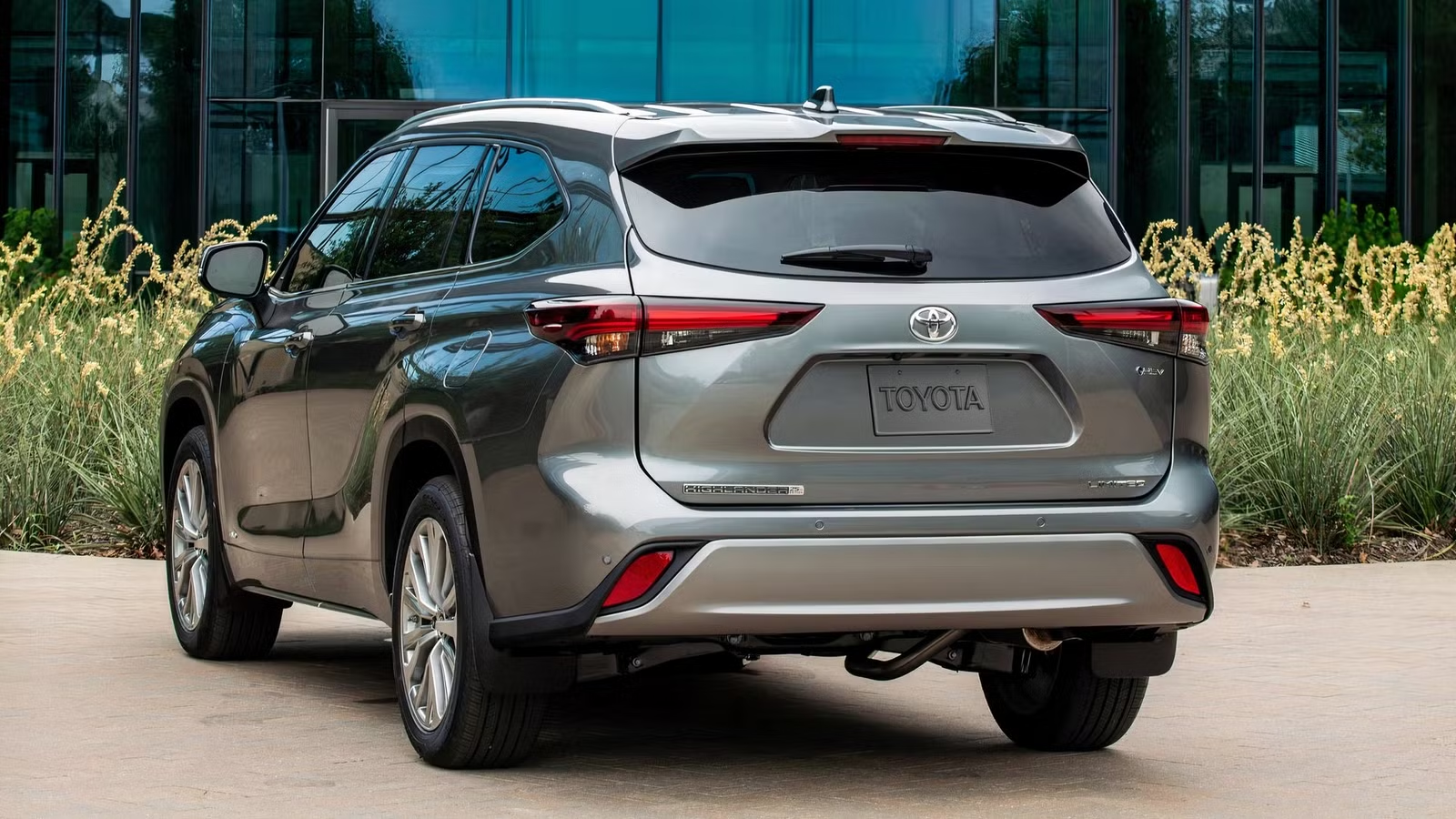
A Toyota Sienna Hybrid owner who brings thier vehicle with a failed battery pack to the dealer can walk out with a quote north of $12,000. RepairPal puts the full range at $12,269 to $12,503, and some dealers have gone even higher. Take that same van to an independent shop, and the number drops to somewhere between $2,000 and $3,600. That’s not a typo, and it’s not a fluke, either. It’s the new reality for a huge wave of aging Toyota hybrids, and it’s reshaping how owners should think about repair costs once the factory warranty runs out.

The Sienna is the clearest example because its hybrid battery sits squarely in the failure window right now, but the same math applies to the RAV4 Hybrid, Camry Hybrid, and Prius as they rack up miles. Most hybrid battery packs start showing their age somewhere between 10 and 15 years or 100,000 to 150,000 miles. Toyota’s hybrid battery warranty covers 10 years or 150,000 miles on 2020-model-year-and-newer vehicles (8 years/100,000 miles on older ones), so a huge chunk of the used hybrid market is either already outside that coverage or about to age out of it.
Why Dealer Quotes And Independent Quotes Are So Far Apart
The gap isn’t just a dealer markup story, even though that’s part of it. Toyota dealers almost always install new OEM battery packs, which carry the highest parts cost and the strongest reliability case. Independent shops typically work with remanufactured or third-party packs instead, and some let customers choose between new aftermarket units and refurbished ones. That alone accounts for a big chunk of the difference, since a remanufactured Sienna battery can run around $2,000 to $3,000 versus a new OEM pack priced far higher.

Labor rates add another layer. Dealer service departments generally charge more per hour than independent shops, and that gap compounds on a job that already involves several hours of work. Then there’s the core charge, a refundable deposit on the old battery that gets returned once it’s recycled properly, plus whatever fee covers safe disposal. Average dealer quotes tend to land around $6,000 once labor and OEM parts are factored in, though some dealers have quoted as high as $8,500 to $9,000 even before reaching the most extreme $12,000-plus outliers.
Which Toyota Hybrids Are Hitting This Wall Right Now

The Sienna Hybrid is the sharpest current example because fourth-generation vans from the early 2020s are starting to clear high mileage while still carrying the sting of a battery pack that does a lot of heavy lifting: storing energy, running the electric motors, and working with the gas engine to keep efficiency up. But it’s not alone. RAV4 Hybrid and Camry Hybrid owners entering six figures on the odometer face the same decision tree, and the Prius, which has been around long enough to have genuinely old examples on the road, is the model where this conversation has already been playing out for years.
A 2021 Sienna with 153,000 miles is a useful stress test. That mileage puts it outside the 150,000-mile battery warranty, meaning any failure becomes a straight out-of-pocket repair. For a used hybrid shopper, checking remaining battery warranty coverage before buying is now as important as checking a timing belt interval used to be on an older gas car.
The Upgrade Most Dealers Won’t Offer You

Every Sienna Hybrid, like most Toyota hybrids, leaves the factory with a nickel-metal-hydride (NiMH) battery. It’s a proven chemistry, but it’s not the only option anymore. Some independent shops and aftermarket suppliers now offer LiFePO4 packs as a replacement, which typically deliver longer service life, higher energy density, and lower self-discharge rates than the stock NiMH units. That’s a genuine upgrade path dealers generally don’t put on the table, since they’re sourcing OEM-spec replacements rather than offering chemistry swaps.
Mobile installation is another independent-shop perk worth knowing about. Several companies selling remanufactured or aftermarket packs will send a technician to install the battery on-site, which matters if a dead hybrid battery means the vehicle can’t be safely driven in for service.
What To Check Before You Commit To A Shop

The maturing aftermarket means owners finally have real leverage, but it pays to do some homework before signing off on a repair. Get a quote from the dealer first, then collect at least one independent quote for comparison. Ask whether the price includes labor up front or gets tacked on after the fact, and confirm whether a core charge is refundable once the old battery is turned in for recycling. Look into the installer’s reputation, the warranty terms on the replacement pack, which can be as short as one year or 12,500 miles for a budget remanufactured unit, and whether the pack is confirmed compatible with your specific model and year.
Before any of that, it’s worth ruling out a cheaper problem. A dead 12-volt auxiliary battery can sometimes mimic hybrid battery symptoms, so a proper diagnosis matters before committing to a four- or five-figure repair either way.
None of this is an argument against dealer service. OEM packs still offer the strongest reliability case, and some owners will pay the premium for that peace of mind. But the independent and aftermarket hybrid battery market has matured enough that a failed pack no longer has to mean choosing between a surprise five-figure bill and scrapping an otherwise solid vehicle. For Sienna, RAV4 Hybrid, Camry Hybrid, and Prius owners watching their mileage climb toward that 100,000-to-150,000-mile mark, the smart move is simple: know your warranty status, get more than one quote, and treat the battery replacement like any other major repair decision, not a dealer-only ultimatum.

Related posts




Latest Post


No Comments