
This Forgotten Sedan Was Basically A Four-Door Sports Car
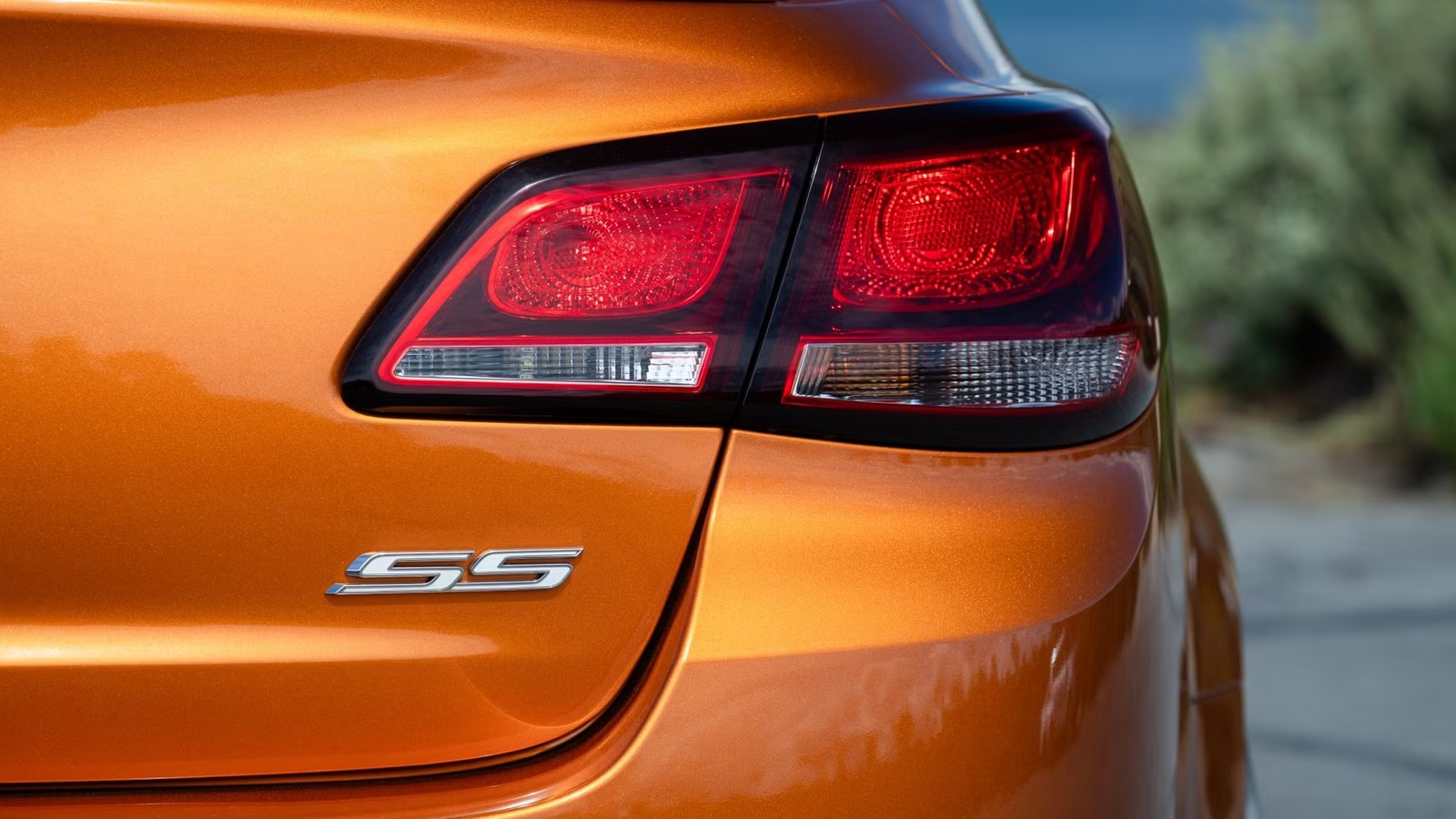
Nobody lined up for it. Nobody pinned its poster to a bedroom wall. Yet a few years ago, a plain four-door sedan with a bland grille and a forgettable badge quietly offered something most enthusiasts wish carmakers would build again. A big naturally aspirated V8, rear-wheel drive, a proper manual gearbox, and chassis tuning worth taking seriously. It cost about as much as a well-optioned family crossover. It looked like a rental fleet special. And it was, in every way that mattered, a genuine driver’s car hiding in plain sight, waiting for someone to notice.
The Family Sedan That Could Humiliate Cars With Far Sportier Reputations

The best sleepers share a trick: they make you underestimate them. Park this one next to a flared, winged, vented hot hatch, and no one would glance twice. The sheet metal was clean but anonymous, the wheels were handsome without shouting, and the cabin looked like something you would find at an airport rental counter. Then you pulled away from a traffic light.
Zero to 60 mph arrived in the mid-four-second range, a figure that put it in the same conversation as German sport sedans costing tens of thousands more. Owners swapped stories of pulling alongside confident drivers in quicker-looking machinery and watching their expressions change. That’s the particular joy of a real sleeper: the performance isn’t a marketing line; it’s a surprise you deliver in person.
What made it special wasn’t just the straight-line shove. Plenty of cars have been fast in a straight line. This one paired that muscle with the sort of balance and poise you normally have to pay a premium for, and it did so while seating five adults and carrying a full-size trunk. It was a school-run machine with a split personality, and the personality it showed on a back road was unmistakably sporty.

Why Modern Performance Sedans Often Sacrifice The Simplicity This Sleeper Got Right

Today’s performance sedans are astonishing machines, but they come with baggage. The latest BMW M3 weighs roughly 4,000 pounds in its quickest all-wheel-drive form, wraps its driver in screens and drive-mode menus, and starts at $80,000. Its performance is staggering, yet its steering and throttle often feel filtered through layers of software before they reach your hands.
Cadillac’s CT5-V Blackwing is the happy exception, and it deserves credit. It offers a supercharged V8, 668 horsepower, and a manual gearbox. But it also weighs around 4,100 pounds, costs more than most buyers’ annual salaries, and sits at a price point that makes it a statement purchase rather than an attainable bargain.

This sleeper took the opposite approach. No turbochargers, no electrified assistance, no all-wheel-drive hardware adding weight and complexity. Just a large engine up front, a driveshaft, and the rear wheels. The result was a car that felt mechanical and honest. When engineers don’t have to hide complexity behind drive modes, the car’s behavior becomes easier to read and easier to love. That simplicity is exactly what many modern sedans have traded away in the pursuit of numbers.
The Chevrolet SS Packed Corvette V8 Power Into An Unassuming Four-Door


The car is the Chevrolet SS, sold in the United States from 2014 to 2017, and its story begins on the other side of the world. It was built in Elizabeth, South Australia, by Holden, GM’s Australian arm, and was essentially a rebadged VF Commodore. Underneath sat the rear-drive Zeta architecture, a platform engineered with real attention to chassis dynamics rather than cost-cutting alone.
Under the hood was the 6.2-liter LS3 V8, the same engine family that powered the C6 Corvette. In the SS, it made 415 horsepower and 415 pound-feet of torque, delivering the kind of effortless, linear thrust that turbocharged engines still struggle to imitate. The sound was pure small-block, with a deep burble at idle that built into a proper roar at the top of the rev range.
Chevrolet priced it from $46,000 at launch, which, even then, felt like a clerical error. Few buyers noticed. Sales were modest, marketing was minimal, and the SS never found the audience it deserved. When Holden closed its Elizabeth plant in 2017, the SS disappeared with it, leaving no direct successor. It remains one of the last mainstream American-badged V8 sedans, and the only one built Down Under.
A Six-Speed Manual, Rear-Wheel Drive, And Magnetic Ride Control Made It A Genuine Driver’s Car

The headline engine would have been enough, but the SS’s real brilliance was in the details. Magnetic Ride Control, the adaptive damping technology borrowed from the Corvette and Cadillac catalog, came standard. Its magnetorheological dampers adjusted in milliseconds, giving the SS a supple ride around town and tight body control when the road got twisty. Few sedans in this price bracket offered anything comparable.
Then came the gearbox. After an automatic-only debut in 2014, Chevrolet added a Tremec six-speed manual for the 2015 model year. That single decision transformed the car. Pairing a manual with rear-wheel drive and adaptive dampers was rare in any segment at the time, and nearly unheard of in a sedan wearing a bowtie. The shifter was notchy in the best way, the clutch was weighted for real driving, and the engine’s broad torque curve made every gear feel usable.

The rest of the package backed it up. Brembo brakes gave strong, fade-resistant stopping power. The hydraulic-assisted steering delivered real feedback, something modern electric systems often fail to replicate. A limited-slip differential helped put power down on corner exit, and with the engine mounted low and well back, the SS rotated willingly rather than plowing wide.
It weighed around 4,000 pounds, yet it hid that mass remarkably well, feeling compact around the driver on a good road. It wasn’t flawless. Fuel economy hovered in the mid-teens around town, and the interior felt dated even when new. But those compromises were easy to forgive when the driving experience was this authentic.
Why The Discontinued Chevrolet SS Deserves A Second Look From Enthusiasts


Today, the SS is one of the more compelling used-performance propositions on the market. Clean examples generally trade in the high $30,000s to mid $40,000s, with low-mileage manuals commanding noticeable premiums. That’s less than many new mid-range crossovers, and it buys you a car that is increasingly impossible to replicate. Prices vary widely by region and condition, so check current listings before committing.
The ownership case is better than you might expect. The LS3 is among the most proven V8s ever built, and mechanical parts are shared with the Corvette and Camaro, so servicing is straightforward. Body panels and trim pieces are a different story: they were specific to the Australian-built car, so finding an undamaged example matters more than chasing the lowest price.
Collectibility is where it gets interesting. Production was low, the manual cars are rarer still, and no manufacturer is likely to build a new V8, manual, rear-drive sedan at this price again. Enthusiast demand has been steadily rising, and the SS is increasingly spoken about the way people once talked about the Pontiac G8 GXP or early E39 M5. If you want a sports car that can carry your family, your luggage, and your dignity, the SS is still the answer. It never needed to shout. It only needed someone to notice.
Sources: Chevrolet, MotorTrend, Motor Reviewer, and Edmunds

Related posts



Latest Post


No Comments