
The Used Sedan That Delivers Mercedes S-Class Luxury At Toyota Money
The Mercedes-Benz S-Class is the full-size luxury sedan by which every other luxury car is measured. It is the benchmark in many respects, especially in luxury and automotive innovation. Note that I didn’t specifically mention tech, because not all tech features are considered innovations, but that’s a story for another day.

The S-Class, unsurprisingly, isn’t a cheap car when new. In fact, today in 2026, an S-Class has a base price of $112,550, which is already way more than the annual income of many individuals. Realistically speaking, if you want an S-Class at an affordable price, you’ll have to find a used example, but going this route means accepting a few caveats. Not all cars age well, and in this article, we’ll be exploring the luxury sedan that offers S-Class luxury at Toyota prices, and perhaps with the reliability of one as well.
Why S-Class Is The Benchmark
To understand why the S-Class has always been the luxury benchmark, we’ll have to go back through time to see what made this vehicle famous in the first place.
It Is An Engineering Masterclass


Perhaps what most easily makes a car feel luxurious is the sheer refinement it offers when driven. The Mercedes-Benz S-Class, especially earlier models, had the unparalleled stability that every other automaker chased. The S-Class also became part of the horsepower wars of the 1990s, in which the birth of the W140 generation in 1992 marked the introduction of the V-12-powered S 600. The W140 is also one of the last “luxury at any expense” generations because development costs for this S-Class ballooned to $1 billion in the 1990s.
Due to this philosophy, the Mercedes-Benz S-Class also gained a reputation for quality. From the bank vault-like door thud to the luxurious yet durable interior, the S-Class aged like fine wine—until the W220 generation came into the picture in 1998, when quality declined. The succeeding W221 in 2005, however, turned things around by offering perhaps one of the poshest and most luxurious S-Class interior designs ever, with barely an ounce of plastic visible to the naked eye.
Tech For Innovation’s Sake

Tech was a huge selling point for luxury cars in general until the touchscreen became commoditized. The S-Class, however, often introduced new tech features because they solved challenges in making vehicles better. Think adaptive suspension, the now-taken-for-granted anti-lock braking system (ABS), traction control, and the brand’s PRE-SAFE advanced safety feature that locks the doors, tightens the seatbelt, and prepares the vehicle before a collision happens.
Even in terms of powertrains, the S-Class W221 generation was one of the first cars with a seven-speed automatic, which was both responsive when you wanted it and smooth when you needed it. Though despite all its refinement and opulence, there is a Japanese rival that matches its prestige, without the ownership worries or German luxury price premiums.
Why Not Consider A Used Lexus LS?

If you want most, if not all, of these traits in a used sedan for Toyota money, then you might want to consider the Lexus LS. It is, after all, the Lexus flagship with a mission of beating the S-Class at its own game.
As Low As $32,500 For The Latest Generation

The current-generation Lexus LS was sold from the 2018 to the 2026 model year, and during that eight-year run, the flagship Lexus luxury sedan received incremental changes and a mid-cycle facelift. Of course, the price heavily depends on the condition of the vehicle and what kinds of options it has, but iSeeCars says that the cheapest average price of this generation of the LS starts at $32,500. That’s quite a good value if you want to experience S-Class levels of luxury for the price of a Toyota Camry.
And It Will Still Last Long

Now, the main reason I recommend the LS is that it’s a Lexus. Lexus equates to reliability, and yes, the V35A-FTS 3.4-liter twin-turbo V-6 may have experienced mechanical failures in the Tundra due to machining debris left over from manufacturing, but this engine’s application in the LS is far better engineered. It did have recalls, but they are limited to a low-pressure fuel pump recall in 2018-2019 model year vehicles and ECU stalling for the engine start-stop system on 2018 model year vehicles.
According to iSeeCars, the LS 500 will last an extremely long time. In fact, even if you buy a high-mileage unit today, it will probably still last another 10 years or 100,000 more miles. That’s because the LS has an average lifespan of 226,558 miles, or a whopping 24.8 years. Today, the oldest LS 500 is probably eight years old, and even then, you’ll still have more than a decade of useful life with this Lexus flagship. Luxury isn’t just about the features and craftsmanship, but also about how little of a headache it will give you, even as a used purchase.
The Qualities That Make The LS Lovely


The Lexus LS was discontinued after a 36-year run in 2026. Full-size luxury sedan sales have been on a steady decline as the full-size luxury SUV has become the new status symbol, but here’s why the LS is still special today.
The LS Has Sumptuous Quality
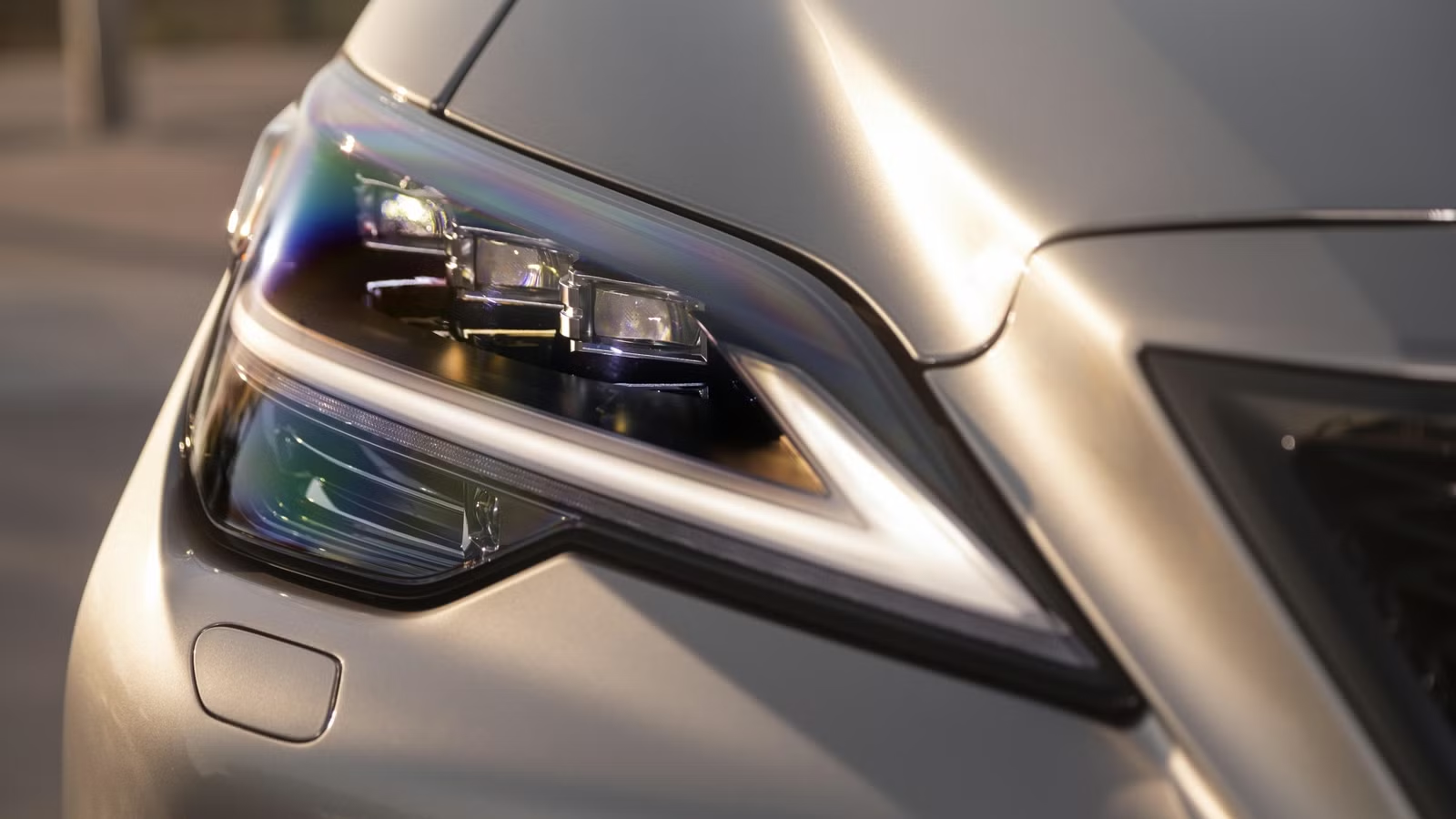
Heavily influenced by the engineering principles of the Lexus LC grand tourer (GT), the LS inherited the GT’s touch of elegance and extravagance. The design of the LS was heavy on curves and creases as it leaned toward a sportier look, and though looks are subjective, the LC-inspired styling was eye-catching. But the beauty of the LS was best appreciated inside, where the sculpted dash and door panels had incredible detailing.
The same could be said of the Kiriko glass trim, which was an absolute masterpiece from Lexus. Lexus partnered with Asahi Glass Company to create this unique cabin ornament, and it set the tone for what the LS had to offer. This was complemented by hand-folded pleats on the door trims. There’s craftsmanship everywhere, and that, to me, is what makes the interior of the LS stand out.
And Its Features Matched Its Demeanor

As the flagship Lexus luxury sedan, it had all the features one would expect. A comprehensive multimedia suite came standard through the Lexus Remote Touch touchpad-based infotainment, or in later years, the Lexus Interface touchscreen-based infotainment. There’s also an immersive Mark Levinson surround sound system, which, to me, is one of the best sound systems in the industry.
Heated and cooled seats are also standard, while those who opted for the Executive Package get plush rear seats with a powered ottoman (footrest) and a touchscreen controller for all rear seat features. In my opinion, however, the pre-2022 model year update offered the best interior design because the addition of the Lexus Interface touchscreen removed the decorative trim on the dash.
Sources: Lexus, iSeeCars, KBB, CarEdge

Related posts





Latest Post


No Comments