
The Used-Car Inspection Mistakes That Can Cost You Thousands
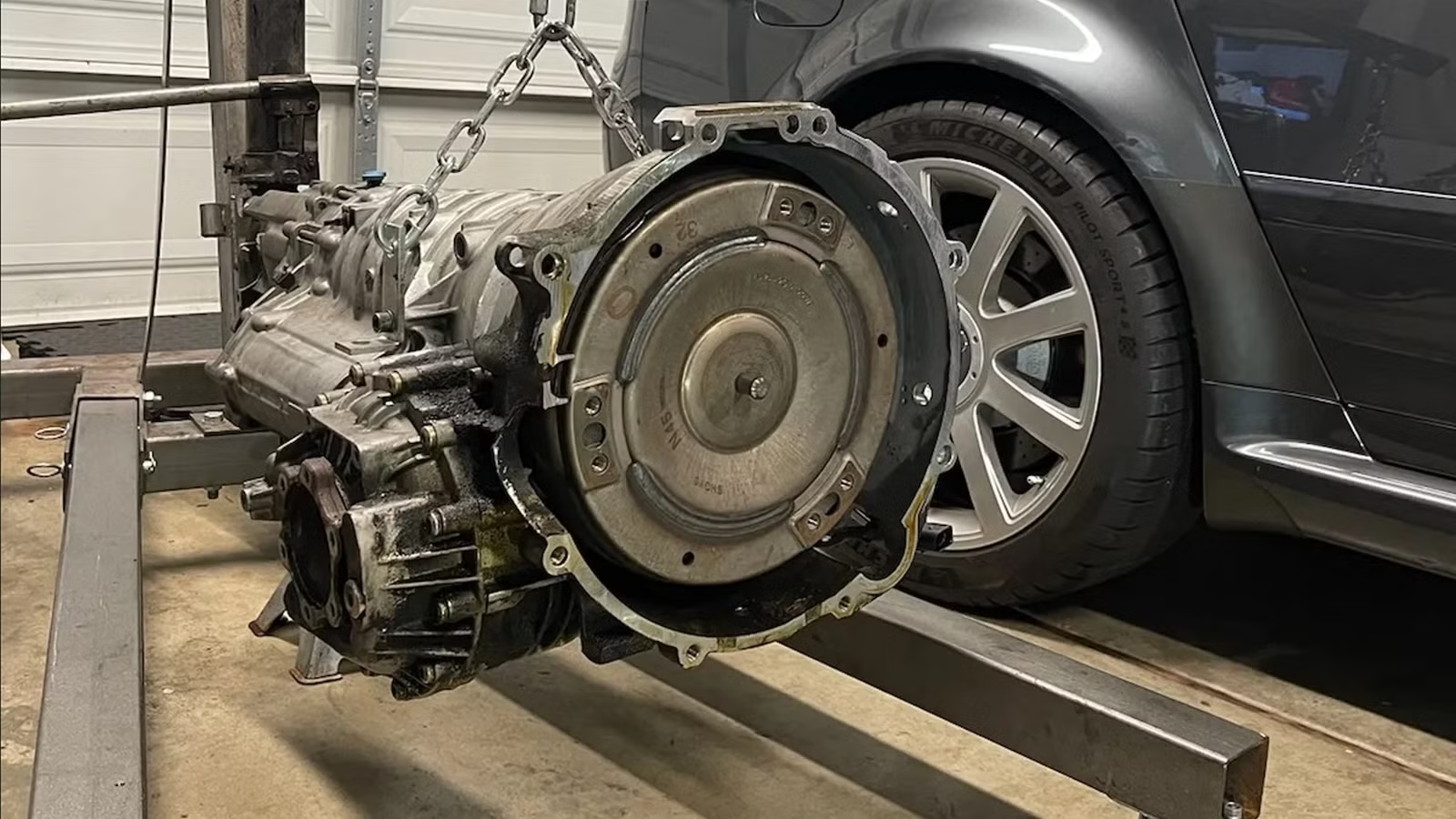
The used car looks immaculate, the test drive feels fine, and another buyer is supposedly coming this afternoon. Then, three weeks after you bring it home, a transmission problem turns your bargain into a repair bill you never budgeted for. The seller’s enthusiasm suddenly seems less useful than the inspection you skipped.

That is the trouble with buying a used car: the easiest things to evaluate often tell you the least about its expensive components. Shiny paint cannot verify transmission health, and a quiet dashboard cannot confirm that every electronic system is working. Your job is to look beyond what makes the car appealing and investigate what could make it expensive.
Mistaking A Clean Car For A Healthy One
Fresh Detailing Can Distract You From Expensive Clues
A clean car deserves the same scrutiny as a dirty one. Detailing can make a neglected vehicle look presentable, but a freshly cleaned engine bay is not proof of deception either. Treat the presentation as a presentation and inspect the machinery separately.

Walk around the vehicle in daylight, looking for inconsistent panel gaps, mismatched paint, overspray on rubber seals, and uneven tire wear. Compare the condition of the steering wheel, pedals, and driver’s seat with the stated mileage. None of these clues delivers a diagnosis, but each can give your inspecting technician something specific to investigate.
Check the engine bay before and after the drive for fresh fluid residue. A leak that was difficult to spot while parked may become more apparent after the engine reaches operating temperature. The tire dressing can wait; the source of that fresh oil deserves your attention.
A Clean History Report Does Not Replace An Inspection
Match the VIN on the vehicle with its paperwork, then examine available service records for consistent dates and mileage. Look at what was actually performed, because “serviced regularly” could mean anything from comprehensive maintenance to occasional oil changes. A clean report and a clean inspection answer different questions. One describes the recorded past; the other evaluates the car sitting in front of you.
Letting A Warm Engine And A Short Drive Hide Problems
Ask To Hear The Engine Start Cold

Ask the seller to leave the vehicle unstarted before your appointment. A cold start gives you an opportunity to observe starting behavior, idle quality, smoke, and noises that may change as the engine warms.
A warm engine does not automatically mean someone is hiding trouble. The seller may simply have driven the car, but you have still missed a useful inspection opportunity. Arrange another appointment if necessary, rather than deciding that an already-running engine sounds reassuring enough.
Persistent smoke, difficult starting, or unusual mechanical noise warrants professional investigation. Brief exhaust condensation can be normal, and unfamiliar sounds are not reliable diagnoses on their own. Your phone recording can help document a symptom, but it cannot replace a technician’s assessment.
Drive Long Enough To Check More Than Acceleration

A lap around the dealership mostly establishes that the car can complete a lap. Plan a route that includes neighborhood streets, parking maneuvers, and highway speeds where conditions allow.
Observe transmission engagement and acceleration both before and after warm-up. Pay attention to hesitation, shuddering, harsh shifts, steering vibration, brake pulsation, and whether the temperature gauge behaves normally. Stop safely if the vehicle overheats or develops a serious warning.
Test the equipment, too: air conditioning, heat, windows, locks, cameras, seat adjustments, and infotainment controls. Restart the vehicle after the drive and check again for leaks or unusual odors. Several apparently minor defects can combine to make for an unpleasant first repair visit.
Skipping The Underside Where The Biggest Bills Can Hide
Surface Rust And Structural Corrosion Are Different Problems

The body can look respectable while the underside tells a much less flattering story. Subframes, suspension mounting points, brake lines, and structural sections need closer examination than a quick crouch beside the rocker panel provides.
Have the vehicle raised on a lift so a technician can assess corrosion, leaks, damaged components, and previous repairs. Light surface oxidation and metal weakened by severe corrosion require very different responses. You need someone who can explain that distinction on this particular car.
Fresh undercoating deserves examination, especially if surrounding components show substantial deterioration. It may be legitimate protection, but its presence cannot establish the condition of the metal underneath. A discount becomes less exciting when the suspension mounts need a second opinion.
Collision And Flood Damage Need More Than A Walkaround

Previous collision damage is not automatically disqualifying, but the quality of the repair matters. Disturbed fasteners, questionable seams, uneven repairs, and alignment problems can justify further assessment by a qualified collision repair specialist.
Flood damage demands similar care. Check concealed areas for sediment, watermarks, moisture, and unusual corrosion, including the trunk and spaces beneath the dashboard. Musty smells or heavy deodorizer should prompt investigation rather than an immediate accusation.
Water exposure can cause mechanical and electrical problems that may not be apparent during a short drive. If the evidence raises questions the inspection cannot resolve, postponing the purchase is more useful than hoping the smell disappears.
Treating A Quiet Dashboard As A Clean Bill Of Health
No Warning Lights Does Not Mean No Stored Problems

Watch the dashboard during the vehicle’s normal startup checks and confirm warning-light behavior against the owner’s manual. Then have a technician scan the relevant control modules, because a basic engine code reader may leave transmission, airbag, ABS, and body system information unexplored.
Ask about emissions readiness monitors as well. Clearing diagnostic information or disconnecting the battery can reset those checks, leaving some systems incomplete until the appropriate operating conditions occur again.
Incomplete monitors do not prove concealment; legitimate repairs and battery replacement can explain them. However, they leave questions unanswered, so request documentation and an appropriate follow-up scan. Even a complete set of monitors cannot certify the entire vehicle’s mechanical health.
Generic Checks Can Miss Model-Specific Repair Risks

A useful inspection considers the exact model year, engine, transmission, and production details. For example, Nissan extended CVT coverage on affected 2013–2018 Altimas to seven years or 84,000 miles. That history gives a technician a specific reason to examine transmission operation, diagnostic information, and repair records carefully.
Neither example establishes that every affected vehicle will fail, and an old warranty extension is no promise of current coverage. The practical lesson is to choose a shop that recognizes the relevant concern and can explain whether additional diagnosis is needed. A generic checklist should be the starting point, not the whole investigation.
Skipping An Independent Inspection To Save Time Or Money
A Seller’s Inspection Serves A Different Purpose

“Inspected” sounds reassuring until you ask what was inspected. Request the written checklist, findings, and repair documentation, because an oil service or basic safety check does not necessarily include comprehensive diagnostics.
Choose an independent shop familiar with the vehicle and agree on the scope of the inspection beforehand. Request a road test, lift inspection, appropriate diagnostic scan, and written findings. Suspected internal engine trouble, collision damage, or hybrid battery deterioration may require additional specialist work beyond a standard inspection.
No inspection guarantees a trouble-free future, especially when faults are intermittent or components cannot be examined without disassembly. Still, refusing a reasonable independent inspection leaves you with less evidence on which to commit your money. Another interested buyer does not improve the car’s condition.
Sources: Federal Trade Commission, NHTSA, Nissan, BMW, New York DMV

Related posts



Latest Post


No Comments