
The Triumph That Makes Character More Important Than Horsepower
The biggest debate in the motorcycling world today is whether all-electric bikes spoil the riding experience by lacking a “soul”. Simply put, many riders consider the shift to electric motorcycles a ‘character assassination’ of traditional motorcycling. This also brings to light the spec-sheet war, as electric bikes have a serious edge in instant torque that no ICE counterpart in the same segment can match.

In light of this transitional and confusing phase, we slow down and focus on the charm and aura of riding a characterful motorcycle, one that makes riders forget about specifications and outright performance. Harley-Davidson, with its old-school Milwaukee-Eight V-twin cruisers and tourers, is the first to come to mind when we talk about characterful motorcycles. However, here we are not limiting the discussion to Harley-Davidson as we look at a timeless Triumph roadster that is raw, purposeful, and elegant.
How Motorcycles With Character Make You Forget The Spec-Sheet
There was once a time when motorcycle riding was simple and fun. No electronics, no heft, and even no emphasis on outright performance. It was just the rider and an analog machine that instilled a special connection on the road. Times change, technology evolves, and today, we have bleeding-edge motorcycles that compete for the crown in performance, technology, and lightweight appeal. But in this quest, some motorcycles are losing out on their character.


Various factors can influence a rider to pick a motorcycle based solely on its character. But the visceral riding experience always tops the charts here. Hence, apart from fun little mini-motos like the Honda Navi and Grom, classic-feel motorcycles also contribute to this connected experience. Harley-Davidson and Indian top the list with their still-standing lineup of air-and-oil-cooled big-twin cruisers and tourers that remind us of what a V-twin rumble is.
Mostly, the technological intervention is kept to a minimum, and the design reminds us of the good old days. This is also why we miss motorcycles like the Harley Softail Standard, the Harley Ultra Limited, the Indian Chief lineup, and the Indian Springfield, among others. But beyond the heritage-rich American duo, there is a British motorcycle maker that also offers a vibrant lineup of characterful motorcycles today.
Triumph Has Some Impressive “Soulful” Motorcycles

Triumph Motorcycles is a manufacturer quite famous for its Tiger ADV lineup and the drool-worthy Street Triple and Speed Triple nakeds. In fact, almost all of its offerings have distinctive characteristics, irrespective of performance or technological intervention. It is quite a commendable feature in today’s world. However, the Bonneville series is what hits the right nostalgic chords and makes us forget about performance.

Mind you, the 2026 Bonneville lineup packs enough punch with its long-standing parallel-twin engine series. The balance of character and muscle is perfect, and that is what makes the old-school-vibing Triumph Bonneville lineup so desirable in today’s age of tech-driven mavericks. Of the lot, there’s one Bonnie that stands out profoundly with its custom styling and timeless elegance.
The Triumph Bonneville Bobber Makes Character More Important Than Horsepower
Price: $14,795

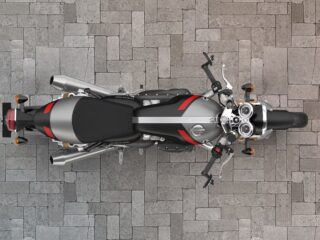
The Triumph Bonneville Bobber is a treat to the eyes because it modernizes the custom bobber culture of the 1950s and 60s. A modern engine and underpinnings elevate its contemporary riding experience; Triumph adds refinement without altering the bobber’s character. It is one of the coolest bobbers on sale today, blending a punchy engine, a charming look, and a sprinkle of modern technology to keep it relevant in today’s fast-evolving motorcycle landscape. The riding appeal is relaxed yet engaging thanks to its combination of neutral ergonomics and modern hardware components. Clearly, with so much going on, the performance quotient doesn’t take center stage.
A Commanding Old-School Presence High On Custom Cruiser Charm

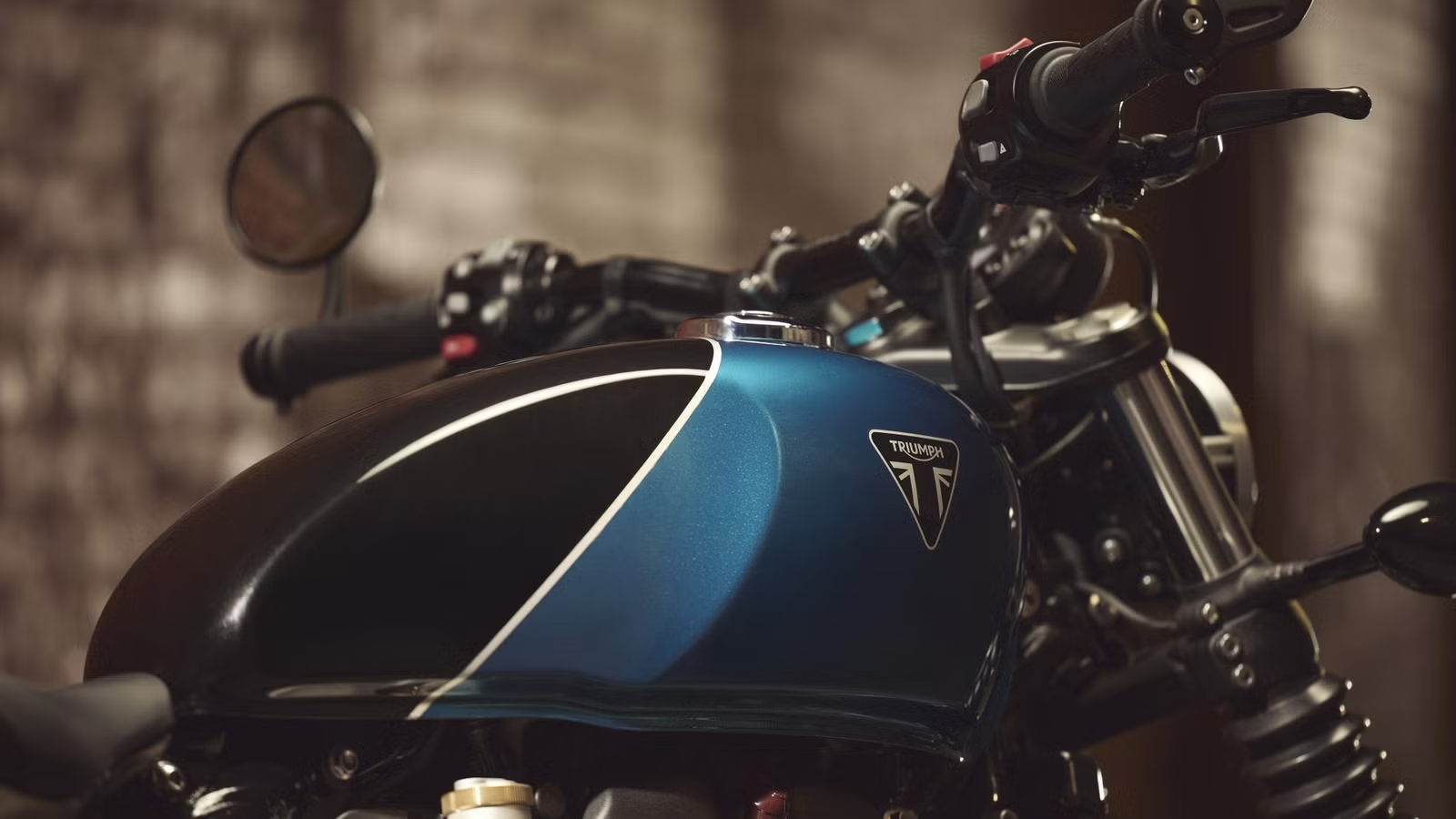
Attention to detail is on point with the 2026 Bonneville Bobber. Features like a compact, circular LED headlamp enclosure and a floating solo seat all deserve credit here. Its commanding presence is courtesy of a muscular fuel-tank profile with sculpted lines, despite its sleek form factor.
Triumph upholds its craftsmanship standards on this factory-custom-styled motorcycle, loaded with heritage-inspired elements. Notable ones include black powder-coated engine covers, cast-bronze engine badging, vintage-inspired deep-red spark plug caps, and even the drum-brake-inspired rear hub design. The minimalistic design helps its components also get attention. For instance, it features a center ridge and a rolled return edge that increase rigidity.

Likewise, the custom-styled slash-cut exhaust tips are also a defining aesthetic cue on this Bobber, and they look rad. Furthermore, Triumph offers a slew of official accessories to make the Bonnie Bobber unique. Options range from leather seats to high-rise handlebars to custom-styled rear indicators. As for colors, Triumph keeps things simple yet dramatic. It gets a Jet Black paint option, which, as the name suggests, is all black. The Interstellar Blue offers more visual drama with its angled split dual-tone treatment on the fuel tank.
Offers A Dramatic Yet Relaxed Riding Experience

The Bonneville Bobber has a low-slung and stretched-out design. Despite its visual appeal, it remains relatively compact, with a wheelbase of 58.5 inches, a width of 31.2 inches, and a curb weight of 551.2 pounds. These dimensions — including a 25.4-degree rake and 3.6 inches of trail — help make it a nimble urban runabout. Furthermore, its low seat height of 26.9 inches helps the Bonnie Bobber be accessible to shorter riders. Triumph offers forward and height adjustability on the seat, too. With adjustable foot controls and levers, the this is a versatile custom motorcycle that can be tailored to riders of all sizes.
It Is Surprisingly Stacked With Modern Technology
From the outside, it might look stripped of all technology features, but this Triumph Bobber is actually loaded with cool tech. Many of the technology features are part of the 2026 updates. Notable ones include lean-sensitive cornering ABS and traction control, more powerful LED headlamps with distinctive DRLs, and a cockpit-mounted USB-C power socket. The instrument cluster is old-school, with a huge analog speedometer dial and a tiny bottom-mounted LCD for all other information.
Stripped-Back Performance To Complement Its Looks

Powering the 2026 Bonneville Bobber is a seasoned 1,200 cc liquid-cooled parallel-twin that has been around since 2016. This mill plays a crucial role in giving the Bobber its distinctive character. Triumph states that it has a dedicated “hot rod” tune, with a distinctive exhaust note courtesy of the twin slash-cut end cans. As for output, the numbers lie at 77 horsepower at 6,100 RPM and 78.18 pound-feet of torque at 4,000 RPM. Power is sent to the rear wheel via a six-speed manual gearbox coupled to a slip-and-assist clutch.
The mill sits inside a tubular steel cradle frame that hugs the engine in place, suspended on 47 mm KYB front forks and a preload-adjustable KYB monoshock at the rear. Braking duties are courtesy of twin 310 mm fixed discs coupled to Brembo two-piston floating calipers up front. The rear gets a single 255 mm disc coupled to a Nissin single-piston floating caliper. Complementing this custom bobber’s surprise riding dynamics with nimbleness are spoked aluminum wheels that help keep the unsprung mass in check.
The 2026 Triumph Bonneville Bobber Has Never Swayed Away From Its Roots

The Triumph Bonneville Bobber was introduced in 2016, and it continues to offer the same core formula in 2026. There has been no generational upgrade yet, but this Bonnie has still managed to fit right in with the modern bunch. This is because the Bonneville Bobber was advanced in features even at launch.
It was a bold move back then to pack a parallel-twin engine into a form factor that was synonymous with big V-twins. Furthermore, the infusion of top-shelf, lightweight underpinnings was uncommon. But today, it has aged like fine wine and helped the Bonnie Bobber amass a cult following. All of these features help make it a characterful motorcycle without relying on muscle.
Source: Triumph Motorcycles

Related posts


Latest Post


No Comments