
The Surprising Numbers Behind Yamaha’s Sales Growth
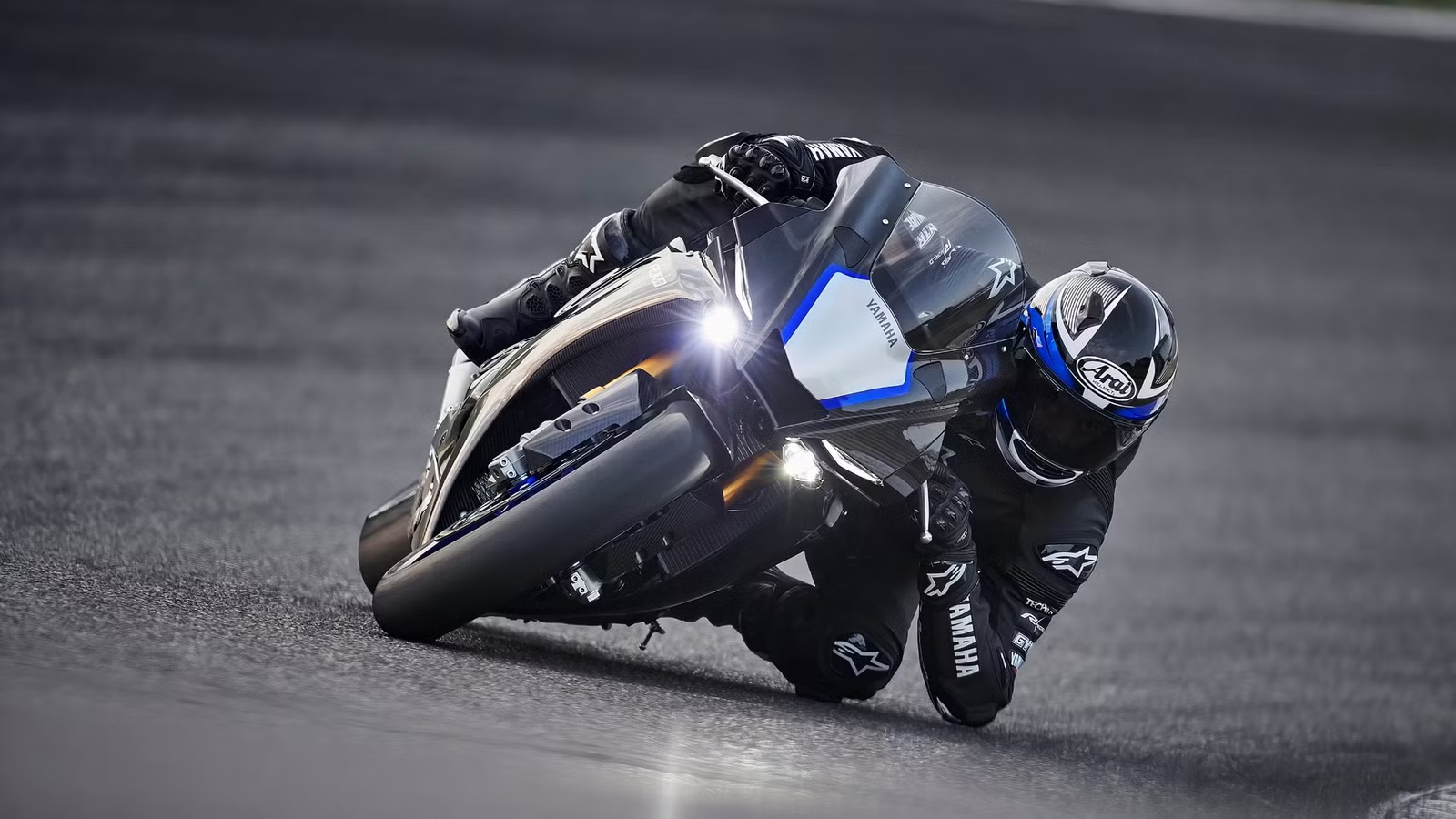
Motorcycle enthusiasts tend to associate Yamaha with machines like the YZF-R1, MT-09, XSR900, and Ténéré 700. They’re the motorcycles that dominate enthusiast conversations, attract attention at trade shows, and remind everyone why Yamaha remains one of the industry’s most respected manufacturers. But behind those exciting machines is a considerably larger business built around something far more ordinary: getting people from one place to another. And judging by Yamaha’s latest financial results, that business is doing exceptionally well in 2026.
Yamaha’s Motorcycle Sales Are Up 11 Percent In 2026

According to Yamaha Motor’s official third-quarter financial presentation, published on November 6, the Japanese manufacturer sold approximately 4.253 million motorcycles worldwide between January and September 2026. That’s an 11 percent increase over the 3.82 million units reported during the corresponding period in 2025. In absolute terms, we’re talking about roughly 433,000 additional motorcycles in just nine months.
More importantly, Yamaha isn’t simply moving more units. Its motorcycle division generated 1.44 trillion yen (approximately $9 billion) in revenue, around 20 percent higher than the previous year’s 1.20 trillion yen ($7.5 billion). Operating profit increased even more dramatically, climbing from 94 billion yen ($588 million) to 175 billion yen ($1.09 billion), an improvement of roughly 86 percent. These figures represent Yamaha’s motorcycle operations specifically, rather than its wider business, which also includes marine products, robotics, and other activities.
For some perspective, Yamaha’s operating profit margin in the motorcycle division improved from 7.8 to 12.1 percent. That’s an increase of 4.3 percentage points, suggesting that the company is doing a better job of converting sales into profits. However, higher volumes aren’t the only explanation. Yamaha also credits pricing adjustments, favorable foreign exchange movements, and other cost-related factors for its stronger financial performance.

Asia Is Doing Most Of The Heavy Lifting

Here’s where the numbers become particularly interesting. North America recorded Yamaha’s strongest regional percentage growth, with motorcycle sales increasing 27 percent, from approximately 63,000 to 80,000 units. Europe managed a comparatively modest 2 percent increase, while Japan actually contracted by 19 percent. But neither North America nor Europe comes close to matching the scale of Yamaha’s Asian operations.
Nearly Eight Out Of Every Ten Yamaha Motorcycles Are Sold In Asia
Between January and September 2026, Yamaha sold approximately 3.357 million motorcycles across Asia, up from 2.958 million a year earlier. That’s a 14 percent increase, equivalent to roughly 399,000 additional units. Put another way, Asia accounted for approximately 79 percent of Yamaha’s worldwide motorcycle volume and more than 90 percent of its net global sales increase during the period.
Looking at individual countries reveals an even more interesting picture. Yamaha’s unit sales increased 61 percent in Vietnam, 33 percent in India, and 23 percent in Thailand. Indonesia and the Philippines each recorded 5 percent growth, while Brazil improved by just 1 percent. Of course, these percentages don’t tell us exactly how many motorcycles Yamaha sold in each country. Nevertheless, they demonstrate just how important emerging markets are to its overall business.
It’s also worth distinguishing company growth from industry growth. In Vietnam, for example, Yamaha’s reported unit sales jumped 61 percent, while total market demand increased by just 8 percent. India tells a similar story, with Yamaha’s sales growing 33 percent against a 20 percent increase in overall demand. Those figures suggest Yamaha is outperforming the broader market in several important countries, although shipment timing and distribution changes can also influence short-term comparisons.
The Motorcycles Making Yamaha Money Probably Aren’t The Ones You Think

For enthusiasts in the United States and Europe, Yamaha’s identity is closely tied to sportbikes, naked bikes, and adventure motorcycles. But in much of Southeast Asia, motorcycles serve a completely different purpose. They’re essential transportation, used for commuting, delivering goods, transporting families, and navigating congested cities. What does that translate to? Scooters. Affordability, fuel efficiency, reliability, and everyday practicality often matter considerably more than horsepower or lap times.
Small Scooters And Commuters Are The Backbone Of The Business
This is where models such as the NMAX, MT-15, and other small-displacement motorcycles enter the conversation. Yamaha doesn’t provide model-by-model sales figures in its latest quarterly financial presentation, so we can’t definitively attribute its recent growth to any particular machine. Nevertheless, the company’s own product information offers a revealing clue. Yamaha says approximately one million NMAX scooters are sold annually across 109 countries.
That’s a remarkable number for a single model family, especially considering Yamaha sold just over four million motorcycles across its entire global lineup during the first nine months of 2026. And while premium motorcycles may command higher prices and contribute meaningful margins, high-volume commuter models provide something equally important: scale. Selling enormous quantities of practical, relatively affordable motorcycles creates a substantial commercial foundation for Yamaha’s wider operations.
Interestingly, Yamaha has also identified premium scooters as an important part of its growth strategy. In its medium-term planning materials, the company outlined a target for premium models such as the NMAX to account for approximately 55 percent of its Indonesian motorcycle sales by 2027. This suggests that Yamaha isn’t simply chasing volume with inexpensive transportation. It’s also working to improve its product mix and profitability in markets where scooters dominate.
Stronger Profits Give Yamaha More Room To Innovate

There’s a broader point here that sometimes gets overlooked when enthusiasts debate which manufacturer makes the most exciting motorcycles. Developing sophisticated engines, electronics, chassis technology, and entirely new vehicle concepts requires enormous investment. So does bringing those products through testing, regulatory approval, manufacturing, and eventually into showrooms. The high-volume side of the motorcycle industry helps support the financial scale necessary to pursue those projects.
Consider Yamaha’s presence at EICMA 2026, where the company showcased new electric scooters, including the NMAX E and XENTER E. The NMAX E is particularly relevant because it brings electrification to one of Yamaha’s most commercially important product families. Rather than treating electric mobility as something completely separate from its established business, Yamaha is adapting a familiar and successful product concept for a changing market.
It’s tempting to imagine every NMAX or Aerox sold helping pay for the next exciting MT, R-series sportbike, or ambitious concept motorcycle. The financial reality is obviously more complicated, and Yamaha doesn’t disclose a direct relationship between specific scooter sales and individual development programs. Still, the underlying business logic is sound. A profitable, high-volume motorcycle operation gives the company resources and flexibility to continue developing the enthusiast machines that attract so much attention.
Yamaha’s Strong Results Come With Some Important Qualifications

Despite the impressive numbers, Yamaha’s performance doesn’t necessarily mean the entire motorcycle industry is experiencing equivalent growth. Japan’s declining sales, Europe’s relatively modest improvement, and differences between individual emerging markets demonstrate that demand remains uneven. Furthermore, favorable currency movements and price adjustments contributed to Yamaha’s financial gains, meaning profitability hasn’t increased solely because customers are buying more motorcycles.
Still, the company’s performance represents a significant improvement over 2025, when its motorcycle business faced higher costs and weaker profitability. With nine months of 2026 already reported, Yamaha has established considerable momentum heading into the final quarter. Whether that translates into another record-setting year remains to be seen, but the company’s latest figures offer a useful reminder of how the motorcycle industry actually works.
The R1s, XSR900s, and Ténéré 700s might be the motorcycles that get enthusiasts excited, but millions of smaller machines keep Yamaha’s global business moving. And without that enormous everyday transportation market, the economics of building all the cool stuff we love would look considerably different.
Source: Yamaha

Related posts





Latest Post



No Comments