
The Motorcycle You Dream About Owning Might Be The Wrong One For You
Most enthusiasts who share a common love for motorcycles usually have one special bike they’ve yearned for since childhood. This is the one that, if presented with an opportunity, they’d buy in a heartbeat if money were no object. The specifications are memorized, countless videos and reviews have been watched, and they’ve probably imagined introducing it to their favorite roads more times than they can admit.

But what happens when the keys are finally in possession and one starts questioning their choice? There’s nothing wrong with chasing a dream motorcycle. The trouble is, the bike you’ve always wanted might not be the one you’ll actually enjoy owning. So look out for these signs to make a better buying decision, because sometimes it’s better to not meet your heroes.
You’re More In Love With The Idea Than The Motorcycle Itself
Some motorcycles become personal ambitions before their prospective owners have even seen them in person. Racing victories, iconic styling, and the riders associated with a machine can build an attachment that no comparison chart can quite explain. The trouble starts when this admiration replaces an honest assessment of what you want from riding. You may be chasing a particular motorcycle, or you may be chasing what owning it says about you.
The Reputation Can Do Some Of The Selling

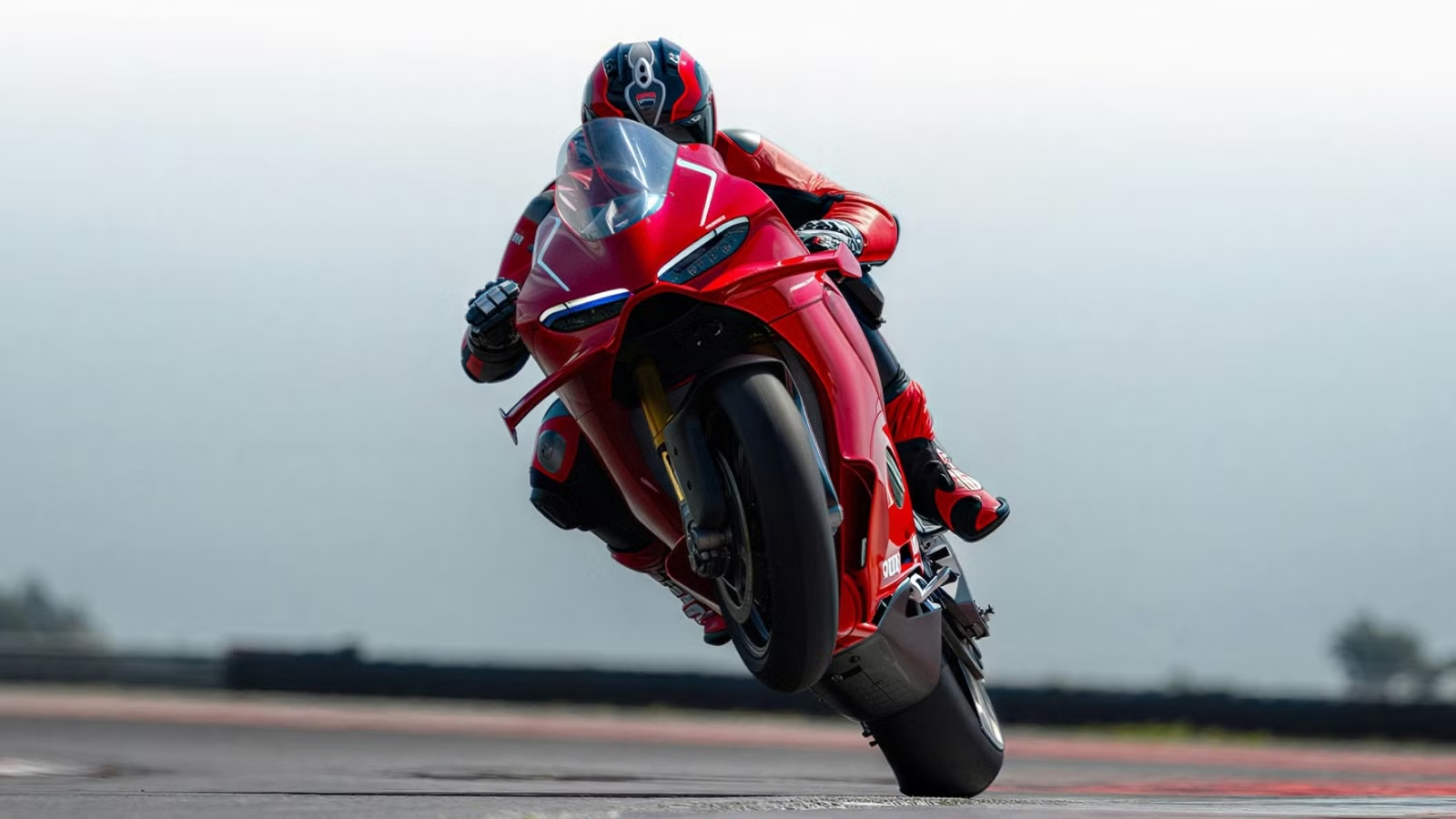
The Ducati Panigale V4’s pedigree and cutting-edge design make it desirable even to people who have never ridden one. But lap times say little about whether you’ll enjoy your usual roads on it. Once you’ve decided it’s your ultimate motorcycle, a suitable alternative can start looking like a consolation prize. You might even dismiss a disappointing test ride rather than question years of anticipation.
The Fantasy Includes A Version Of Yourself That May Not Exist

An adventure bike suggests remote trails and weeks away from home. A heavyweight tourer promises coast-to-coast trips with no return date in sight. Those ambitions may be real, but buying the bike won’t clear your calendar. Plenty of people buy hiking boots without climbing mountains. Motorcycles just make that particular mistake more expensive.
The Test Ride Can Change Everything

On paper, specifications can eliminate obvious mismatches, but they cannot tell you whether a motorcycle feels natural beneath you. Two riders of similar height can fit the same bike differently because of their anatomical differences. And comfort isn’t the only measure. The clutch might annoy you, the steering might feel unfamiliar, or the engine might be less enjoyable than expected. An extended test ride can settle doubts that months of research cannot.
The Riding Position Has To Fit You
Ducati designed the Panigale’s contact points around controlling the motorcycle during hard track riding. The Kawasaki Ninja 650 uses a more relaxed, upright arrangement. They both serve different purposes. Try your usual cruising speeds and turns, then stay on the bike long enough to notice wrist pressure, cramped knees, or a restrictive seat. Simply sitting on it in the showroom can’t reveal much of that.
The Motorcycle Has To Feel Right In Various Situations

BMW’s R 1300 GS Adventure carries a 7.9-gallon tank and weighs 593 pounds ready to ride. That weight becomes considerably harder to manage when you’re stuck on an uphill trail. Practice tight turns and moving the bike by hand. If every U-turn feels like too much effort, highway composure alone won’t make ownership enjoyable.
You Might Never Use Your Dream Motorcycle As It Was Intended To

Manufacturers develop motorcycles for a specific purpose andduty, like a sport-tourer to cover great distances or a sport bike to shave seconds from lap times. They influence the very components and geometry of the bike, and the way a motorcycle responds to its rider. Most specialized motorcycles work well outside their intended environment, but there’s always a tradeoff. You might pay for abilities you seldom use while accepting compromises that show up on nearly every ride.
Your Favorite Roads Set The Terms
The Yamaha Ténéré 700’s 21-inch front wheel, long-travel suspension, and ground clearance make sense when the pavement ends. If your riding consists almost entirely of winding asphalt, those advantages may go largely unexplored. A stripped-back cruiser can seem ideal until you begin touring regularly and wish for wind protection or luggage accommodation. Review your riding routes from the past few months. They’re a better guide to your needs.
More Performance Isn’t Automatically More Fun

A superbike’s acceleration and racetrack capabilities are extraordinary, but public roads provide limited opportunities to explore them responsibly. Regular track days could make that performance worthwhile. Otherwise, you might enjoy working a Yamaha YZF-R7 harder through a familiar series of bends rather than carefully rationing a superbike’s throttle.
Budget For The Miles, Not Just The Sticker Price

A bike that fits your purchase budget can become harder to justify after its first substantial bill. It’s worth doing the unromantic homework early, particularly if you’re stretching your budget to reach a machine you’ve wanted for years. If buying it means rationing rides or postponing the trips you bought it for, you’ve secured the dream at the expense of enjoying it.
Parking, Passengers, And Luggage: The Practical Questions Most Buyers Skip
Do you have a secure parking space for it? Is a competent service shop within reasonable reach? Consider passengers and luggage too. A minimalist cruiser may need accessories to handle your usual trips, while a dedicated sport bike may leave passengers with little room or support. Accessories can fix some shortcomings, but they can sometimes change the motorcycle you originally fell for. Plan for an ordinary month, not your best weekend of the year.
The Right Motorcycle Might Not Be The One You Originally Wanted

Experience often reveals which part of the dream matters most. Perhaps it was never the outright speed but the precision of a sport bike, or perhaps not the promise of world travel but the ability to wander all day without feeling rushed. Several motorcycles may deliver what you value, including those you dismissed years ago without riding. Your preferences may have changed even if the dream hasn’t.
Find The Qualities You Actually Fell In Love With
Someone drawn to Harley-Davidson’s V-twin character might prefer a Street Bob to a Road Glide if long-distance touring isn’t part of their routine. Likewise, a rider captivated by a sport bike’s handling may find everything they need in a middleweight rather than a racing flagship. Choose the attributes you genuinely value and let those guide the shortlist.

Related posts

Latest Post



No Comments