
The Motorcycle That’s Becoming A Future Classic
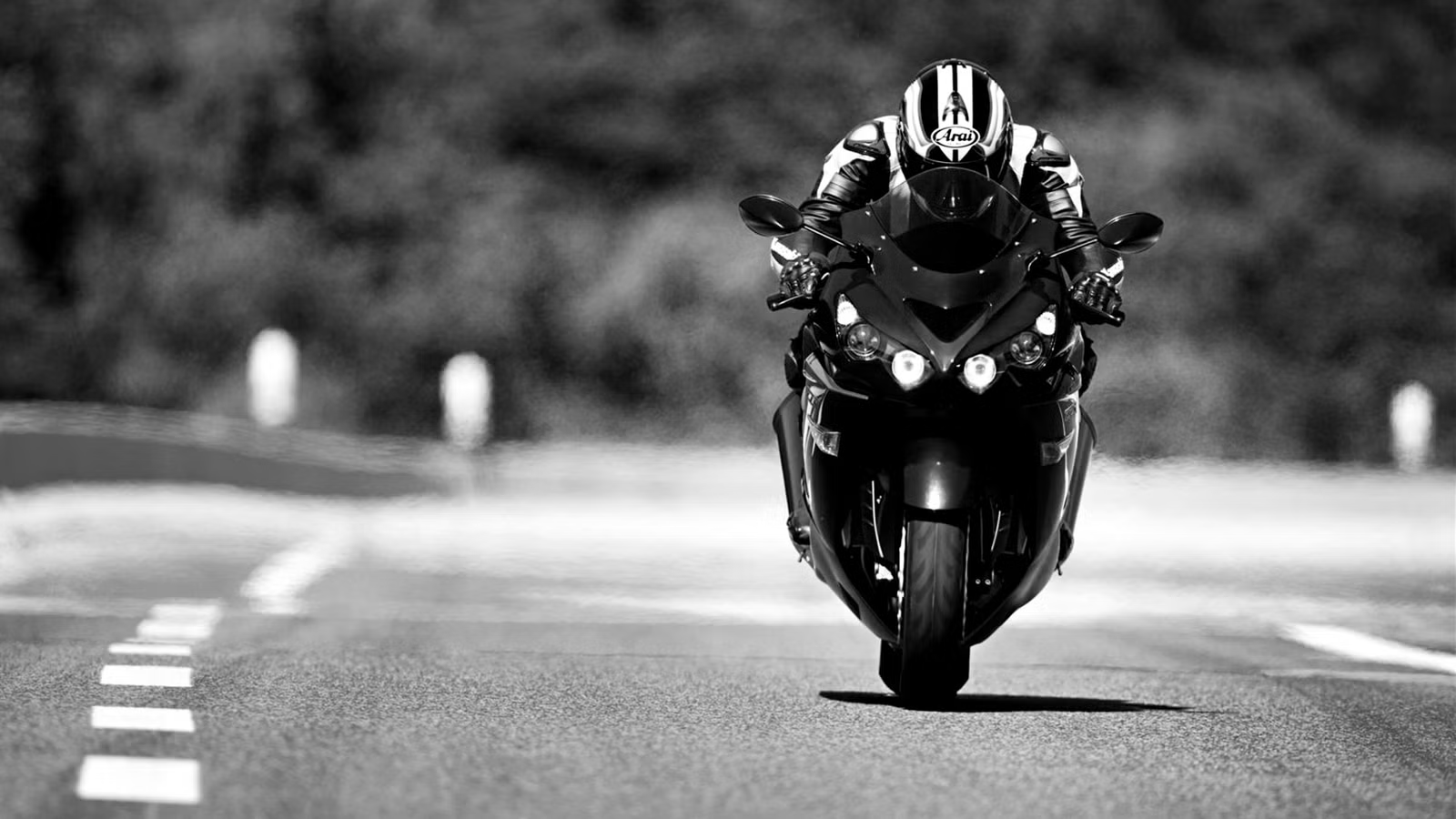
Some motorcycles become collectible because they’re rare, but others earn that status because they mark the end of an era that riders didn’t fully appreciate while it was happening. That second kind is usually harder to spot in real time, because it doesn’t always arrive with numbered plaques, auction hype, or limited-production drama. Sometimes, it’s sitting in a showroom looking almost too familiar, while the rest of the industry slowly moves away from everything that made it special.

That’s what makes this particular machine so interesting. It isn’t a brand-new superbike with wings, radar, carbon wheels, and a startup sequence that looks like it belongs in a fighter jet. It’s something older, larger, more mechanical, and more committed to a very specific idea of speed. And in a motorcycle world that’s getting cleaner, cleverer, lighter, and more digitally managed every year, that might be exactly why riders may look back on it very differently.
Big-Bore Sports Bikes Might Soon Disappear From The Motorcycle World
For a long time, the big-bore sports bike was one of the most outrageous things you could buy with a license plate. These weren’t track-focused scalpel machines built purely around lap times. They were large, long, brutally powerful motorcycles designed to cross continents, flatten highways, and make liter-class superbikes look a little nervous in a straight line. They had presence, comfort, ridiculous engines, and just enough practicality to let riders pretend they were making a sensible decision.

That segment doesn’t really fit the modern performance script anymore. Emissions standards are tighter, insurance costs are uglier, and younger riders have grown up in a world where middleweight twins, naked bikes, ADVs, and electronically dense superbikes dominate the conversation. The appetite for massive inline-four speed machines is still there, but it’s more specialized now. These bikes no longer feel like the future of performance motorcycling. They feel like the last survivors of a beautifully unreasonable age.
Today’s Performance Bikes Are Getting Lighter, Smarter, And More Specialized

Modern fast bikes are incredible, but they’re incredible in a different way. The current performance world is obsessed with precision, electronics, weight reduction, aero packages, and racetrack-derived handling. That’s not a bad thing at all, because today’s superbikes are better at going fast around corners than anything from the previous generation. But the tradeoff is that many of them have become more intense, more focused, and less interested in the old-school idea of effortless speed.
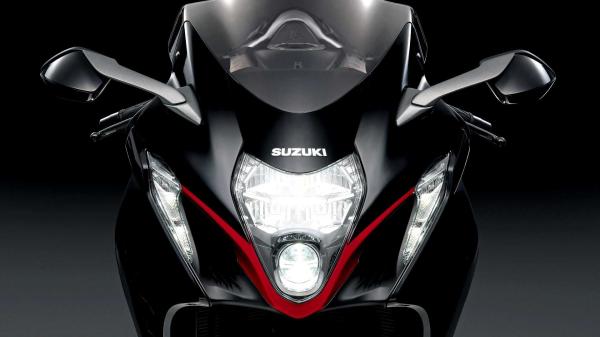
The Sports Bike That Makes Speed Feel Effortless
One legendary sport bike turns outrageous acceleration into something calm, composed, and surprisingly usable on real roads.
The Fastest Machines Are No Longer Always The Most Desirable Ones

Speed used to be the easiest way to sell a halo motorcycle. If it had the biggest horsepower figure, the wildest top-end pull, or the most intimidating reputation, people paid attention. That still matters, but it isn’t the whole story anymore. Riders are now looking more closely at how a bike makes its performance accessible, whether it has real-world comfort, whether it has character, and whether it offers something newer machines are gradually losing.
Character, Usability, And Mechanical Drama Now Matter Just As Much As Spec Sheet Bragging Rights

This is why the most interesting performance bikes are not always the newest or most technically advanced. A motorcycle can be objectively outdated in some ways and still become more desirable because it offers a kind of experience the market has moved past. Big engines with smooth delivery, physical size, long-legged road manners, and a sense of occasion are all starting to matter more as modern bikes become sharper and more software-defined.
That doesn’t mean every large-displacement sports bike is automatically collectible. Some were compromised, some were forgettable, and some only made sense in brochure battles. The difference comes when a motorcycle combines real performance with staying power. If it has a loyal fan base, strong mechanical identity, and a design that still makes sense years later, it starts to move from used-bike bargain into future-classic territory. That brings us to the machine at the center of this whole thing.
The Kawasaki Ninja ZX-14R Could Soon Become A Modern Classic

The Kawasaki Ninja ZX-14R is the motorcycle that fits this argument almost too neatly. Brand-new examples currently sit at $17,599 before destination and dealer costs, while clean used examples can often be found around the $11,000 mark depending on year, mileage, condition, and location. That gap is what makes it fascinating. You’re looking at a bike with near-hyperbike performance, a giant engine, real comfort, and a showroom price that still feels strangely reasonable in 2026.
The current ZX-14R ABS uses a liquid-cooled, DOHC, 16-valve, 1,441cc inline-four with an 84.0mm by 65.0mm bore and stroke, a 12.3:1 compression ratio, DFI with four 44mm Mikuni throttle bodies, and TCBI ignition with electronic advance. Kawasaki lists output at 197.0 horsepower at 10,000 rpm and 116.5 pound-feet at 7,500 rpm. That power goes through a 6-speed return-shift transmission, a back-torque limiting slipper clutch, and a sealed chain final drive.

|
Engine |
1,441cc liquid-cooled DOHC 16-valve inline-four |
|
Output |
197 horsepower at 10,000 rpm and 116.5 pound-feet at 7,500 rpm |
|
Transmission |
6-speed with back-torque limiting slipper clutch and sealed chain final drive |
|
0 to 60mph Time |
Around 2.6 seconds, based on independent testing |
The ZX-14R Still Feels Special Today Despite Being Decades Old
What keeps the ZX-14R from feeling like an old bike in fancy paint is the way its hardware still makes sense. The frame is an aluminum monocoque, which helps keep the package stable without turning it into a nervous track-only weapon. Suspension comes from a 43mm inverted cartridge fork with adjustable preload, 18-way compression damping, and 15-way rebound damping with 4.6 inches of travel, while the rear uses a bottom-link Uni-Trak gas-charged shock with adjustable preload, compression, rebound, ride height, and 4.9 inches of travel.
It’s also not some stripped-back relic pretending rider aids never happened. The ZX-14R ABS gets Kawasaki Traction Control with three modes, selectable power modes, ABS, dual throttle valves, and an Economical Riding Indicator. Braking hardware is properly serious too, with dual 310mm semi-floating front discs and radial-mounted Brembo 4-piston M50 monobloc calipers, plus a 250mm rear disc with a twin-piston caliper. It rolls on a 120/70-17 front tire and a 190/50-R17 rear tire.

|
Frame |
Aluminum monocoque |
|
Suspension |
43mm inverted cartridge fork with adjustable preload, compression, and rebound damping; bottom-link Uni-Trak rear shock with adjustable preload, compression, rebound, and ride height |
|
Brakes |
Dual 310mm semi-floating front discs with Brembo M50 4-piston monobloc calipers and ABS; 250mm rear disc with twin-piston caliper and ABS |
|
Wheels and Tires |
120/70-17 front tire and 190/50-R17 rear tire |
|
Wet Weight |
593.1 pounds |
Used Prices Make It A Very Tempting Modern Collectible

The used market is where the ZX-14R becomes especially dangerous to anyone with self-control and a browser tab open at midnight. Around $11,000 can put a good-condition example within reach, which is remarkable when you consider the amount of engine, braking hardware, chassis quality, and straight-line performance on offer. New middleweights can cost similar money once fees are factored in, and many of them won’t deliver anything close to the same sense of occasion.
That doesn’t mean every used ZX-14R is an instant buy. Condition matters, maintenance history matters, tire age matters, and modifications deserve a careful look, especially on a bike that has always attracted drag racers and enthusiasts with a heavy throttle hand. But that’s also why clean, mostly stock examples may become more desirable over time. The market tends to forgive miles when a bike is special. It is less forgiving when the wiring harness shows signs of extensive modification.
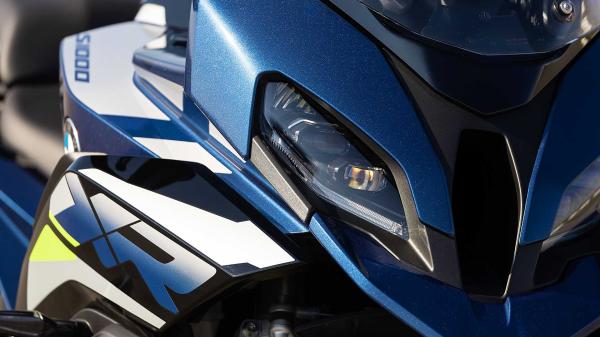
The Fast Motorcycle That Makes Sense Outside The Track
This popular sport tourer offers riders the best of both worlds, balancing blistering performance and daily usability
The ZX-14R’s Future Classic Status Comes From What It Represents

The Kawasaki Ninja ZX-14R may become a future classic not because it’s the newest, lightest, sharpest, or most advanced thing Kawasaki makes. It may get there because it represents a kind of motorcycle that’s getting harder to justify and even harder to replace. It’s a giant-displacement, inline-four, road-focused speed machine with real equipment, real comfort, and a personality that doesn’t need fake retro styling to feel old-school in the best possible way.
That’s the key. The ZX-14R isn’t just a fast bike. It’s a reminder of when manufacturers still built massive sports bikes for riders who wanted outrageous power without giving up road manners. It sits in that strange space between excessive and useful, between old-school muscle and modern refinement. If the market continues moving away from machines like this, the riders who saw it as “just another big Ninja” may eventually realize they were looking at one of the last great monsters all along.
Source: Kawasaki

Related posts

Latest Post


No Comments