
The Motorcycle Road Trip Mistake That Can Ruin The Best Part Of The Journey
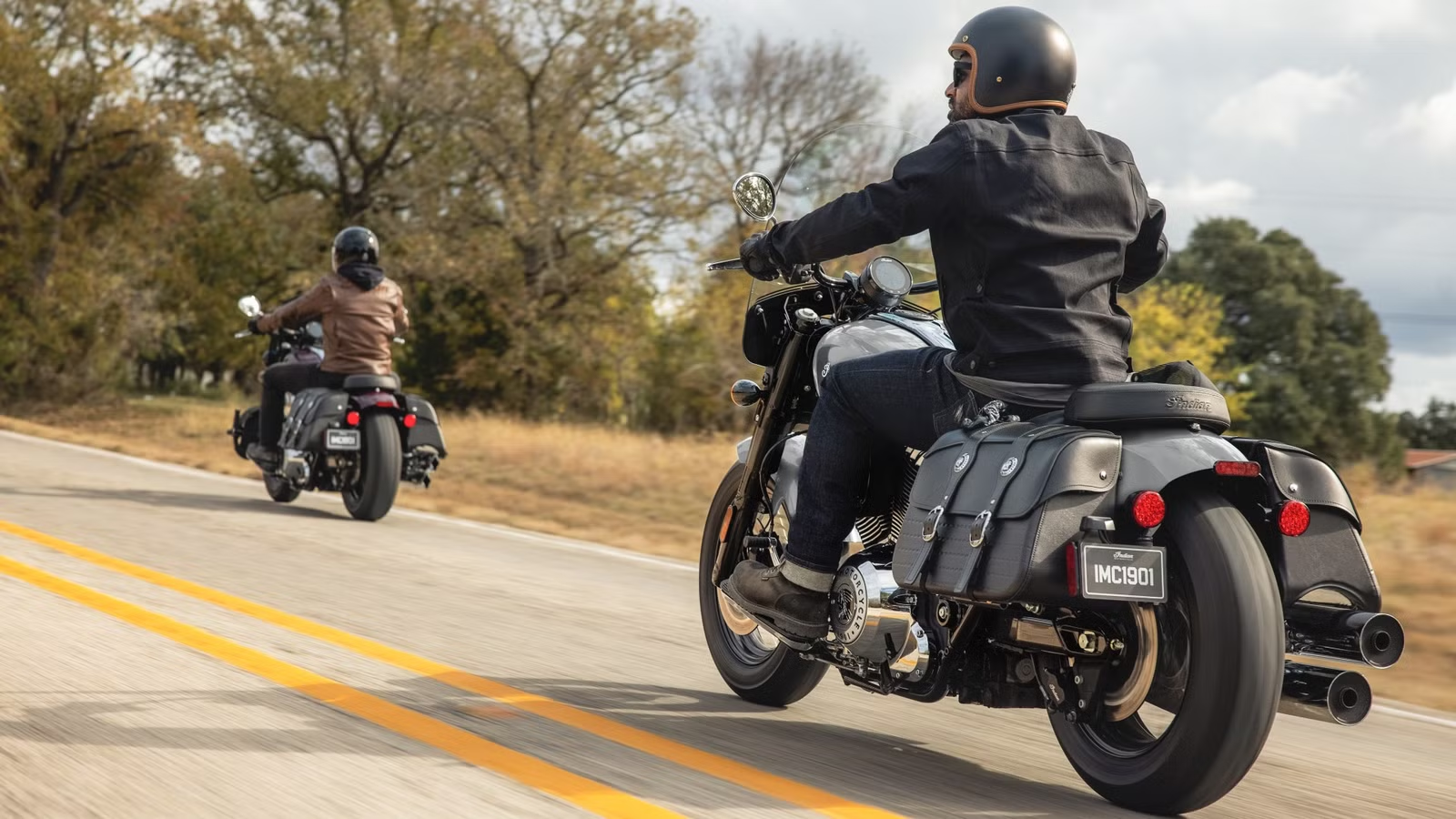
A perfect stretch of mountain road appears just as the afternoon light starts fading into the evening. There’s a scenic overlook ahead, followed by another series of corners worth riding slowly enough to appreciate. But the hotel is still 170 miles away, and the GPS says that arrival will be well after sunset. Stopping your motorcycle now to enjoy the view means getting there even later. So you keep moving, despite having spent weeks looking forward to this very stretch of road.

It’s a peculiar way to spend a motorcycle vacation because you’ve just turned your ride into the same deadline-chasing office routine that you were trying to escape in the first place. The mistake isn’t choosing a long route or booking accommodations in advance, but it’s treating the itinerary as an obligation, until reaching the next destination matters more than the ride itself.
The Problem Starts With An Optimistic Mileage Estimate
A route planner is a great tool, but it can also make a packed day of motorcycle touring look deceptively manageable. Add a few scenic detours between your starting point and destination, and the travel time still looks fairly reasonable. But the estimate rarely accounts for how the day actually unfolds. Six hours of moving time isn’t a six-hour day. Fuel stops take longer when you also need water, a restroom break, or just a few minutes out of the saddle to stretch.

Lunch stops can turn into an hour with friends, especially when you find somewhere worth hanging about. Add road construction, getting stuck behind slower vehicles, or a brief shower that requires changing layers, and the well-thought-out riding plan on paper disappears without anything particularly unusual happening.

The type of road makes just as much of a difference. Three hundred miles of interstate cruising can be a straightforward travel day for an experienced tourer. The same distance through mountain passes, small towns, and narrow two-lane roads asks for considerably more time and concentration. And it’s not a question of which is better than the other; a route can have both, but planning them as if they’re interchangeable creates issues.
And this isn’t an advocacy for modest mileage targets. Some motorcyclists genuinely enjoy dawn-to-dusk riding, and getting across less interesting scenery quickly can surely buy more time where it counts. But the mistake is scheduling every day at the limit of what seems possible, leaving little time to appreciate the very roads and surroundings that made you plan the trip in the first place.
The Best Roads Deserve More Than A Passing Visit

Some of the best motorcycle roads can be covered at a decent pace, and there’s nothing wrong with enjoying a spirited ride through a particularly inviting stretch of corners. But covering the road and making the most of it aren’t necessarily the same thing. Think of the Blue Ridge Parkway winding through the Appalachian Mountains of Virginia and North Carolina, or the Tail of the Dragon on the Tennessee-North Carolina border, or any spectacular stretch of mountain tarmac you’ve traveled hundreds of miles to experience. A packed itinerary can rob you of the freedom of simply enjoying the ride and scenery, turning a road you’ve been dreaming about into another stretch of the journey that needs to be completed.
Sometimes The Best Detour Is Riding The Same Road Twice

There’s no rule that says a motorcycle road trip must involve constantly moving toward the next destination. If a particular stretch of road puts a smile on your face, what’s stopping you from turning around and riding it again? The corners feel different in the opposite direction, the scenery offers a fresh perspective, and you might even discover that the return ride is better than the first. It’s one of those simple pleasures that makes traveling on two wheels special. But when you’re bound by a schedule, an impromptu second helping of cruising on your favorite road becomes difficult to justify. And that’s precisely how a rigid itinerary gets in the way of the riding experience.
When Every Stop Starts Feeling Like A Delay

Some of the best memories from a motorcycle road trip come from places you never intended to visit. A roadside diner that catches your attention, an interesting conversation with a fellow motorcyclist, or a local attraction that wasn’t on your itinerary can make the day more memorable than the ride itself. But when you’re constantly watching the clock, even these little discoveries start feeling like unnecessary interruptions.
Leave Room For Surprises Without Leaving Things To Chance

Of course, throwing the schedule out of the window isn’t particularly wise either. You still need to account for fuel stops, daylight, accommodation, and the possibility of finding yourself on unfamiliar roads with limited services or cellphone coverage. The trick is to have a realistic plan with enough flexibility to accommodate the occasional detour without compromising the essentials. Know where you intend to spend the night, identify fuel stops along remote stretches, and keep an alternative route or stopping point in mind. That way, an interesting discovery doesn’t have to become a logistical headache, and you can enjoy a little spontaneity without worrying about getting stranded in the middle of nowhere.
The Last Hundred Miles Can Take The Fun Out Of Everything

The final stretch of a riding day can feel disproportionately long when you’re tired, hungry, or caught in worsening weather. After hours in the saddle, concentration slips and the prospect of another hundred miles becomes less appealing, particularly on unfamiliar roads after dark. Yet a prepaid hotel or an ambitious next-day plan can tempt you to press on when stopping would make more sense. Add a passenger or riding companions with different endurance levels, and that pressure only grows. No itinerary is worth riding beyond your limits.
Plan Your Days Around The Riding, Not The Distance

A better road trip starts with deciding where you actually want to ride, rather than how many miles you can squeeze into each day. Give the roads you’re most excited about room in the schedule, then work out realistic travel times that include meals, fuel, breaks, and unexpected delays or even pleasant surprises. On longer trips, allow an easier day between demanding stretches and identify shorter routes or alternative overnight stops. You’ll still make progress, and you won’t be left improvising the essentials when plans change. The itinerary should help you enjoy the journey, not make you feel guilty for stopping to enjoy it.
Source: Various Motorcycles

Related posts



Latest Post


No Comments