
The Forgotten Sport-Tourer That Deserves A Second Life
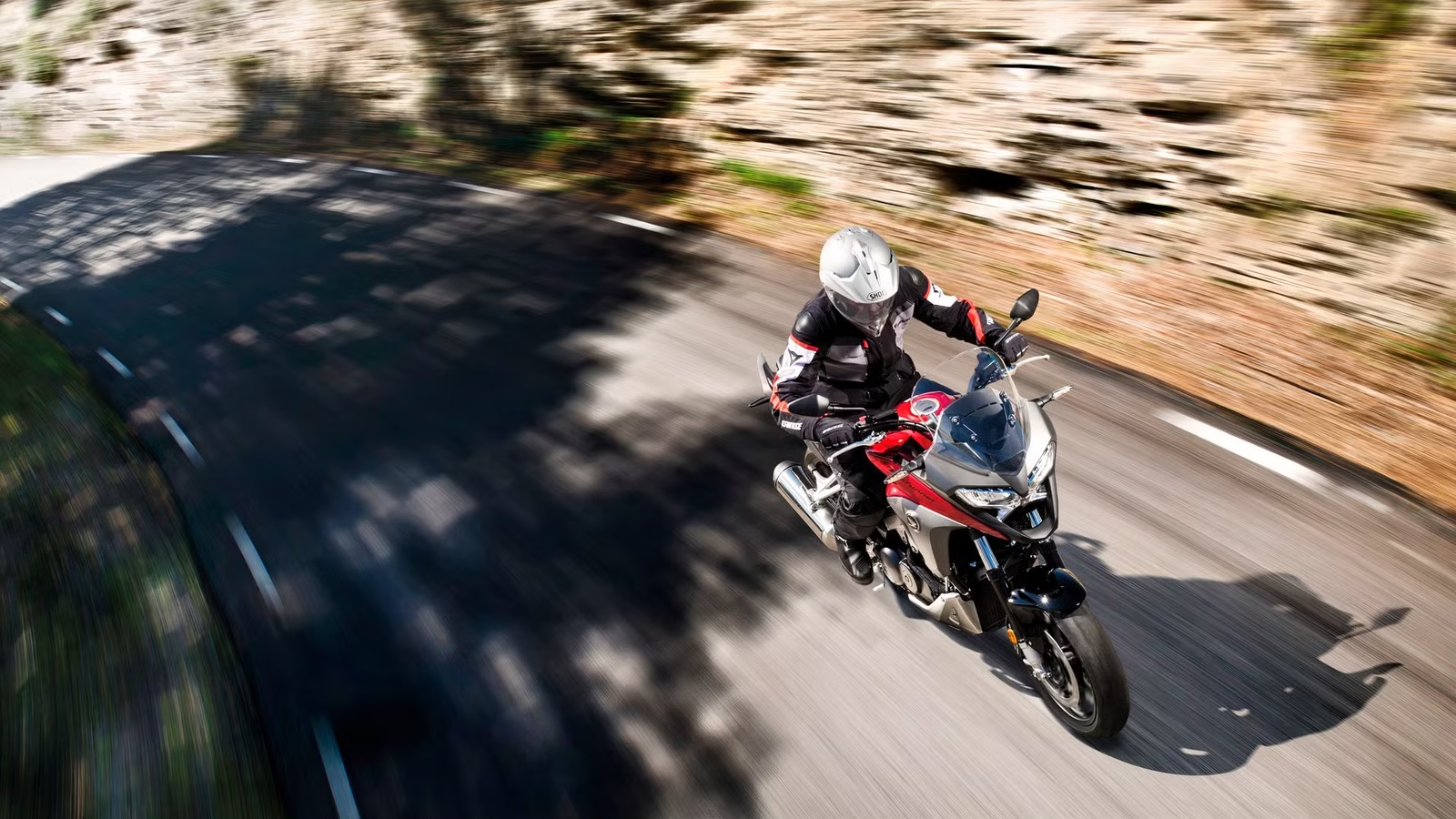
Today, the sport-touring bike segment has some seriously versatile machines, blending a sport-bike-like experience with added practicality for long-distance tourers. While the segment is booming today, its early days saw some brilliant machines that were ahead of their time and eventually got forgotten. Some ideas were far ahead of the market but never got the recognition they deserved. The segment’s resurgence has made the conversation more interesting, raising the question of which forgotten sport-tourer could dominate the market with a modern comeback.
The Crossover-Type Sport-Tourer Never Found Takers In The Past

Sport-tourers already occupied a difficult position in the market. It offered more comfort than a sport bike and more power than a tourer. But it did not overcomplicate anything and slowly found an audience that appreciated its purpose. The crossover type, however, pushed the reason for doubts even further. It offered an upright riding position and adventure-bike-inspired looks, but the chassis and tires were tuned for tarmac.
Although it had potential, it was stuck in a category that made it difficult to convince buyers. While it took inspiration from adventure motorcycles for the riding position and looks, it didn’t perform the off-road duties. ADV bikes met that demand by delivering touring comfort and occasional off-road capability. Meanwhile, those prioritizing performance leaned toward sport bikes, and riders wanting more comfort chose the sport-tourer.
But Today, They Bring Unmatched Versatility

The crossover sport-tourer was left occupying a narrow spot, but time changed everything. The segment wasn’t a failure; the audience just appreciated it a bit too late. Riders today are preferring bikes that handle multiple responsibilities well, rather than focusing on one. They want an upright riding position, road-focused wheels, and a capable engine for comfort, long-distance riding, and performance. With comfort features and a luggage set, you get a bike that does most of what modern riders want. So, if a forgotten sport-tourer deserves to bask in this newborn love for the segment, it deserves to be a crossover.

Honda’s Crossrunner VFR800X Will Make Perfect Sense Today

Honda Crossrunner VFR800X is a forgotten gem that succumbed to timing and competition. Its legend dates back to 1986 with the VFR750F, which rebuilt the iconic gear-driven camshaft V4 engine. As displacement grew, the company introduced automatic VTEC in the early 2000s. Honda didn’t introduce the crossover family until 2011 with the VFR800X. It was based entirely on the 800F, with only a few changes to make it look the part.
While critics praised the bulletproof engineering, the pod-like bodywork reportedly made the bike look like a “duck-billed platypus”. Furthermore, the VTEC was not properly refined, resulting in a mixed reception. The second generation addressed this by shifting to an edge design with its signature “X” headlight, a hardware update that matched the X badge rather than the F, and a refined engine focused on low- to mid-range torque.

Despite its reliable engine and ability to munch miles, a few things kept the Crossrunner from becoming a commercial hit. Yamaha’s three-cylinder Tracer 9, Triumph’s Tiger 800XRx, and other manufacturers delivered bikes that were cheaper, lighter, or more powerful than the Honda. Furthermore, the renowned VTEC engine was complex and expensive to manufacture, forcing Honda to retire it and ending the VFR800X’s era.
The Crossrunner’s 782cc V4 Engine Is Its Biggest Party Trick

Diving into the details, the 90-degree V4 four-stroke, 16-valve VTEC is one of the highlights. It displaces 786cc, producing 105 horsepower at 10,250 rpm and 55.3 pound-feet of torque, peaking at 8,500 rpm. The VTEC system gives riders two distinct characters in one package. Below the 6,500rpm mark, the two-valve mode restricts gas flow, improving low-end torque and smoother engine response, which eventually gives better fuel efficiency. Past that threshold, the engine opens up all the valves, showing a completely different personality that doesn’t hold back.
Its Road-Focused Chassis Makes More Sense Than Its Styling Suggests

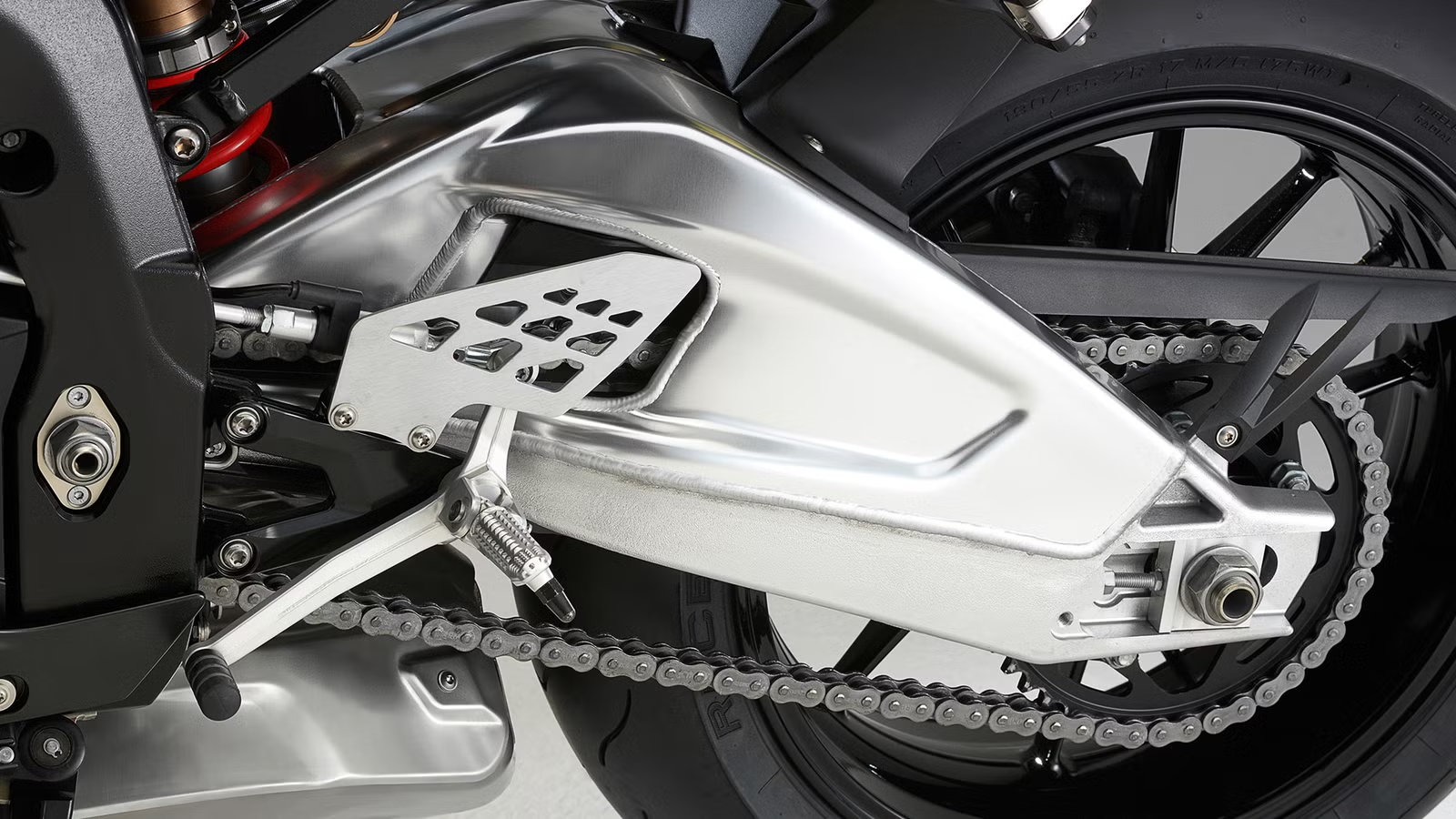
Since the Crossrunner shares its base with the VFR800F, it uses the premium aluminum twin-spar pivotless diamond frame. Utilizing the V4 engine as the stress member, it eliminates mid-corner flex. The Pro-Arm single-sided swingarm not only makes the 800X look beautiful, but also makes removing the rear tire easier and less cumbersome. The only downside to this otherwise stable frame is its hefty 533 lb weight. Honda learned the hard way that transferring the chassis exactly the same was a bad idea. The second-generation overhaul fixed all that.
Up front, Honda uses a 43mm Multi-Action System telescopic cartridge fork with stepless preload and 10 DF adjustment, providing 5.15 inches of travel. The rear suspension utilizes a progressive Pro-Link linkage paired with a gas-charged HMAS monoshock that provides 5.5 inches of travel and features a hydraulic remote preload adjuster. Braking includes front 310mm floating discs clamped by radial-mount four-piston calipers and a single 256mm disc squeezed by a two-piston caliper.
The VFR800X Was Balanced In The Tech Department

The Crossrunner VFR800X never got to the point of overwhelming the rider with complex electronic features. It comes with a multi-stage traction control system with two intervention levels, and an independent two-channel ABS. The dashboard is basic, featuring an inverted LCD instrument cluster that displays the speed, fuel details, and ambient temperature, among a few others. Factory comfort features five-stage heated grips, controlled by a single button and displayed on the dashboard. An adjustable seat allows the rider to toggle between 31.8 inches and 32.8 inches. A 12V DC power socket adds a meaningful touch.
The Crossrunner Would Need To Evolve To Survive Against Today’s Rivals

Given its cult following, the bike deserves a second shot at life, and now is the best time. To challenge the Yamaha Tracer 9, Triumph Tiger Sport 800, and BMW F 900 XR that have established themselves in the mid-weight segment, the VFR800X will need major changes. Starting with the engine, the complexity and cost of the V4 VTEC were the primary reasons for its discontinuation. Since building a new one from scratch is again a strenuous and expensive process, Honda can opt to simplify things. Or the brand could implement the world’s first V3 engine with an electric compressor here.
Elsewhere, this is notoriously heavy compared to its competitors. So Honda could rework the chassis without sacrificing the handling to honor the VFR heritage. Lastly, the Crossrunner lacks a six-axis IMU, cruise control, ride-by-wire throttle, cornering ABS/TC, and a TFT display among the basics. Honda must bring the bike up to par with the basics and add more cutting-edge technology and safety features.
Source: Honda Powersports

Related posts
Latest Post


No Comments