
The First Thing That Usually Goes Wrong After 100,000 Miles
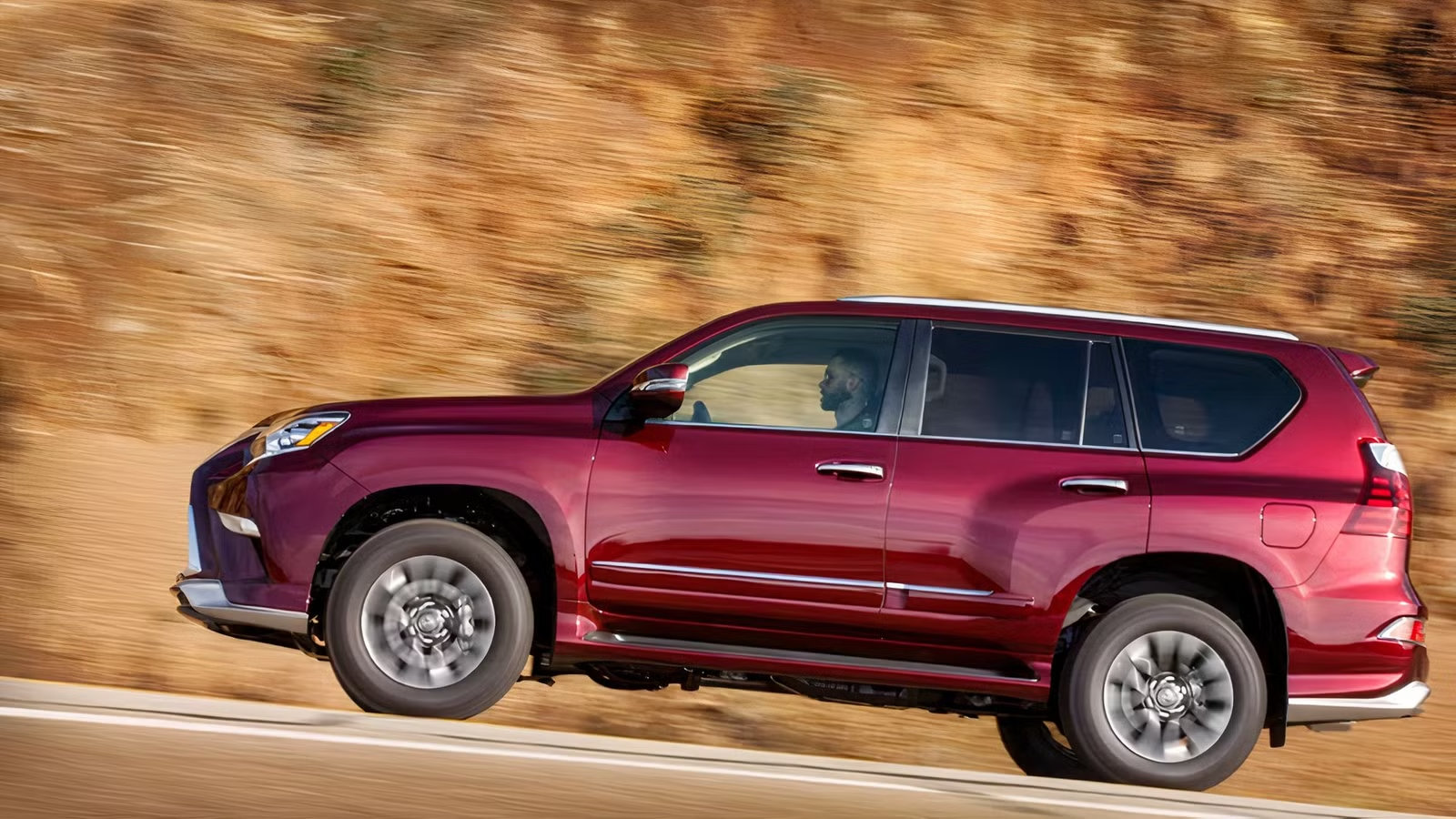
A car’s 100,000-mile mark is often treated like the beginning of the end. You may expect the engine to start burning oil, the transmission to begin slipping, or the dashboard to light up with expensive warnings. In reality, a well-maintained powertrain can continue running reliably for many more years. The first serious sign of age often develops somewhere less dramatic. It happens gradually, may not trigger a warning light, and can become so familiar that you forget how the car originally felt. By the time you recognize the difference, the problem may already be affecting the tires, handling, and braking stability.
A Car Can Feel Old Before Its Engine Acts Old
High-Mileage Problems Rarely Arrive On A Fixed Schedule

A high-mileage vehicle does not necessarily announce its age through smoke, leaks, or mechanical failure. Sometimes, it simply becomes less controlled. No component is guaranteed to fail at exactly 100,001 miles. Mileage is only one part of the equation. Road conditions, climate, vehicle weight, driving habits, maintenance history, and previous repairs all influence how quickly a car wears out.
A vehicle that spends most of its life cruising on smooth highways may reach 120,000 miles in better mechanical condition than one with 70,000 miles accumulated on broken city pavement. Potholes, dirt roads, oversized wheels, heavy payloads, and frequent towing can significantly accelerate wear.
Consumable parts such as tires, batteries, brake pads, and filters have probably already been replaced by the time the odometer reaches six figures. The more important question is which of the original mechanical systems is most likely to begin losing effectiveness around this point.
The First Warning May Be A Change You Barely Notice
Gradual deterioration is difficult to detect because you experience it a little at a time. The vehicle may begin to move more after hitting a bump, lean farther in corners, or feel less settled at highway speeds. Because the change happens over thousands of miles, you naturally adjust to it.
A passenger who rarely rides in the car may notice the rough or bouncy ride before you do. A technician may also identify uneven tire wear, fluid leakage, or looseness during an inspection, even though the vehicle still feels acceptable in everyday driving. That slow decline helps explain why this particular high-mileage problem is frequently ignored. The engine still starts, the transmission still shifts, and nothing on the dashboard tells you that the car is no longer controlling its weight as effectively as it once did.
Shocks And Struts Are Often The First System To Give Up
Every Mile Places Another Load On The Suspension

The suspension absorbs nearly every imperfection in the road, and its dampers work whenever the vehicle accelerates, brakes, turns, or encounters a bump. After 100,000 miles, the original shocks and struts deserve close attention. Springs support the vehicle’s weight, but shocks and struts control the springs’ movement. Without effective damping, the body would continue bouncing after every road disturbance. These components also help keep the tires in consistent contact with the pavement.
AAA indicates that drivers can generally expect struts to need replacement somewhere between 50,000 and 100,000 miles, although conditions can move that window in either direction. That does not mean every original strut becomes unsafe at 100,000 miles. It means the vehicle has reached a point where assuming they remain healthy is no longer sensible.
Some cars use struts at all four corners, while others combine front struts with rear shocks. Trucks and SUVs may use separate shocks and springs. The configuration changes, but the underlying wear does not. Seals age, internal fluid deteriorates, and the damper gradually loses its ability to control motion.
The Damper May Not Be The Only Worn Part

Shocks and struts do not operate alone. A high-mileage suspension also contains bushings, mounts, ball joints, tie-rod ends, sway-bar links, control arms, and springs that have endured the same road conditions.
Rubber bushings can crack or soften with age. Sway-bar links may develop play and clunk over bumps. Strut mounts can create knocking or popping noises. Ball joints and tie-rod ends can loosen, while tired springs may allow the vehicle to sit lower than intended.
This overlap makes proper diagnosis important. A front-end clunk does not automatically mean the struts are bad, just as a fluid-stained damper does not prove that every suspension component must be replaced. A technician should inspect the complete system before recommending parts.
Worn Shocks And Struts Do More Than Ruin Ride Quality
Excessive Bouncing Can Reduce Tire Control

A comfortable ride is only one benefit of a healthy suspension. The larger issue is how effectively the vehicle controls its tires and body when you need to stop or change direction. A worn shock or strut allows more vertical movement after the tire encounters a bump. Instead of settling quickly, that corner of the vehicle may continue oscillating. The change can produce more body roll in corners, greater nose-dive under braking, and additional rear squat during acceleration.
You might also notice the vehicle wandering on uneven pavement or becoming unsettled by mid-corner bumps. Crosswinds and quick lane changes can feel more dramatic because the body takes longer to stabilize.
Worn dampers do not automatically make the brakes themselves defective. However, controlling body motion and maintaining consistent tire contact are important during hard braking and emergency maneuvers. A suspension that cannot keep the vehicle settled gives you less confidence precisely when predictable behavior matters most.
Uneven Tire Wear Can Turn One Repair Into Two

Suspension problems often leave evidence on the tires. Cupping, sometimes described as scalloped wear, produces alternating high and low areas around the tread. Worn dampers are one possible cause, although wheel balance, alignment, ball joints, and other suspension components must also be considered.
The financial consequences are easy to overlook. If worn suspension parts damage a relatively new set of tires, replacing the tires without correcting the underlying problem can allow the same wear pattern to return. What began as a suspension repair then became a suspension-and-tire bill.
Running your hand carefully across the tread may reveal uneven areas that are not obvious from a quick glance. A proper inspection should include tread depth readings across each tire, not merely a look at the outer shoulder.
These Symptoms Tell You The Suspension Needs Attention
Clunks, Leaks, And Continued Bouncing Are Strong Warnings

High mileage alone does not prove that a vehicle needs new shocks or struts. Its behavior and physical condition provide more useful evidence. One symptom alone may not identify the failed part, but several symptoms together make a stronger case. Warning signs include repeated bouncing after bumps, excessive leaning in corners, nose-diving during braking, uneven tire wear, imprecise steering, and knocking noises over broken pavement.
Visible oil running down a shock or strut body can indicate a failed seal. However, a light film or minor residue does not necessarily indicate an active leak. The component’s condition and performance should be evaluated together.
The traditional driveway bounce test—pushing down on a corner and watching how many times it rebounds—may expose a severely worn damper, but it is not a complete diagnosis. Modern suspension designs, stiff springs, and vehicle weight can make the results difficult to interpret. A road test and physical inspection provide better evidence.
Some Symptoms Point To Different Components

Suspension and steering problems can imitate one another. Clicking during tight turns may point toward a worn CV joint. Humming that changes with speed can suggest a wheel bearing. Steering-wheel vibration under braking may originate with the brakes rather than the struts.
A clunk could come from a sway-bar link, control-arm bushing, ball joint, mount, or loose fastener. Wandering could result from worn steering components, poor alignment, damaged tires, or incorrect tire pressure. This is why replacing complete strut assemblies based only on mileage or noise can become an expensive mistake. You need the source of the movement or sound identified before authorizing the repair.
A 100,000-Mile Inspection Can Prevent A Larger Repair Bill
Inspect The Whole Corner Before Approving Parts

The odometer should prompt an evaluation rather than an automatic shopping list. The objective is to catch developing wear before it damages other parts or compromises the vehicle’s response. A proper inspection should cover the shocks or struts, mounts, springs, bushings, ball joints, tie rods, sway-bar links, tires, and wheel alignment. If a shop identifies excessive play, ask to see where it occurs. Photographs of leakage, tread-depth measurements, or a physical demonstration of a loose component can help you understand the recommendation.
Shocks and struts are commonly replaced in left-and-right pairs on the same axle to keep damping balanced. Strut replacement may also require a wheel alignment. Those additional needs should appear in the estimate before work begins.
Costs vary substantially by vehicle. A conventional suspension on a mainstream sedan, such as a Toyota Camry, will generally be less complicated than the hardware underneath a Toyota 4Runner, a performance sedan with adaptive dampers, or a luxury model with air suspension. Parts design, labor time, electronic calibration, and alignment requirements can all change the final price.
Maintenance History Matters More Than The Odometer Alone

A 100,000-mile vehicle with tight steering, even tire wear, dry dampers, and controlled body movement may not need immediate suspension replacement. Another vehicle with fewer miles could already need extensive work after years of potholes, heavy loads, or neglected alignment problems.
That is the central distinction: 100,000 miles is not an expiration date. It is the point at which the original suspension warrants more scrutiny than assumption.
Your engine may have another 100,000 miles left in it, but that does not mean every component underneath the car can make the same promise. Inspecting the suspension before the ride becomes obviously poor can protect the tires, preserve predictable handling, and prevent a manageable wear item from becoming a much larger repair bill.
Sources: AAA, RepairPal, Kelley Blue Book, NHTSA, Edmunds

Related posts




Latest Post


No Comments