
The Exotic Naked That Now Costs Less Than A New Yamaha MT
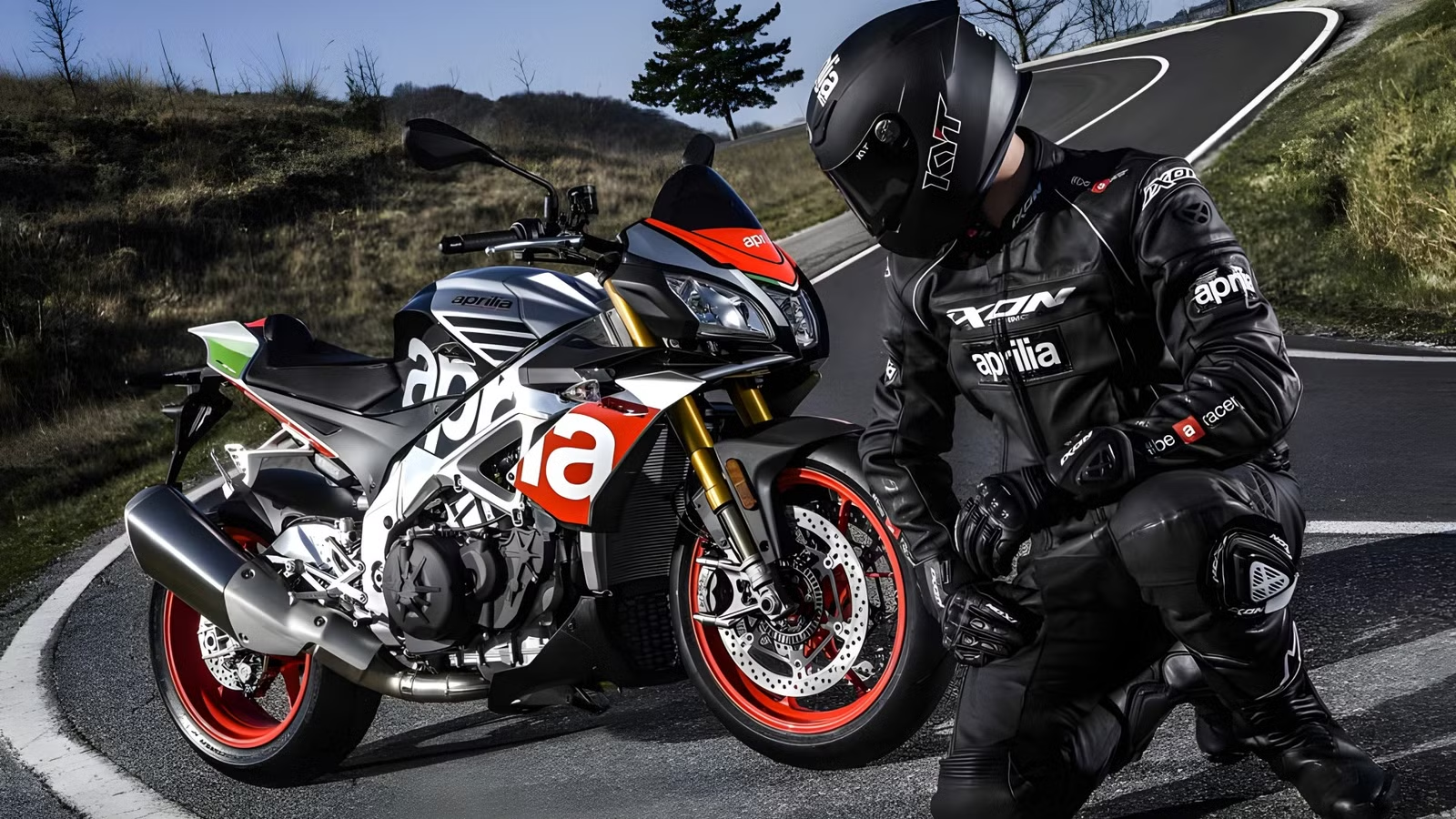
Walk into a Yamaha dealer with $11,000 and a naked bike in mind, and the decision looks simple. The MT-09 sits on the floor at $10,899, it is the benchmark of its class, and the only real question seems to be whether you want a triple or a twin. There is a third option, and it is not on that showroom floor. The same money in the used market buys an Italian V4 with 173 horsepower, Öhlins suspension, and electronics developed for World Superbike racing. Depreciation is the cheat code here, which has done its magic into making this beast attainable for the masses.
Depreciation Does Wonders To Exotic Machines
Most riders shopping at this price never look up a class. The logic is easy to follow: a flagship streetfighter should come with flagship running costs, a thin dealer network, and the kind of value loss that punishes whoever buys it new. That last part is exactly where the opportunity lies.

Italian exotics lose value faster than mainstream Japanese machines because fewer people shop for them and their reputation for expensive upkeep scares off the cautious. That steep curve is a discount the first owner has already paid, and the second owner collects it. The MT-09 is a fine motorcycle at a fair price, but its sticker is not what you pay. One California dealer adds $700 in freight and $695 in setup to the $10,899 MSRP, which pushes a new MT-09 past $12,000 before discounts, tax, and registration.
The Aprilia Tuono V4 1100 Factory Has Already Lost $8,000 For You


The Tuono V4 1100 Factory is, in effect, the RSV4 superbike with a handlebar. It uses the same platform that carried Aprilia to multiple World Superbike titles, and the 2018 Factory is listed at $17,999, a $2,500 premium over the Tuono V4 1100 RR. It remains the benchmark in super-naked comparisons. Today, used values put an average retail 2018 Factory at ~$12k and a low-retail example at $9,745. Live listings show a 2018 at $9,995 and a 2019 at $10,395. A clean example undercuts the MT-09 on sticker price alone, and by roughly $2,000 once the Yamaha dealer adds its fees.
You Should Target Tuono V4 1100 Factory Models From 2019-2020

The modern Tuono starts with the 2017 update, which brought cornering ABS, a color TFT dash, cruise control and a quickshifter with clutchless downshifts. The 2017 and 2018 Factory bikes pair that package with mechanically adjustable Öhlins suspension. The 2019 and 2020 Factory bikes go further. They get Öhlins Smart EC 2.0 semi-active suspension, an electronically controlled Öhlins steering damper, and fork travel extended to 4.9 inches. With the live listings separated by just $400, the later bike is the smarter buy. Aprilia restyled the Tuono for 2021, so the 2020 model is the last of this generation. One check matters more than any other. Confirm through the VIN or the spec sheet that a listing is a genuine Factory and not the RR, which uses Sachs suspension and sold for less when new.
The Old Aprilia Tuono V4 Is Still Properly Loaded By Today’s Standards

The heart of the deal is a 1,077cc, 65-degree V4 that makes 173 horsepower at 11,000 rpm and 89 pound-feet at 9,000 rpm. The MT-09’s 890cc triple is a gem in its own right, but Yamaha claims roughly 117 horsepower for it, which leaves the Tuono with a lead of more than 50 horsepower. The Tuono weighs 461 pounds wet against the MT-09’s 425, yet it still carries about 2.7 pounds per horsepower to the Yamaha’s 3.6. Oh, and its raspy exhaust note is something no middleweight triple can copy.
Electronic Suspension And Premium Electronics Sweeten The Package

Aprilia’s APRC suite still reads like a current spec sheet. It includes traction control and wheelie control that adjust on the fly, launch control, a pit lane limiter, cruise control, and a quickshifter that works in both directions. Bosch 9.1MP cornering ABS with rear-lift mitigation sits underneath it all. To be fair to the Yamaha, a new MT-09 matches much of that on paper. The Tuono’s real advantage is hardware. Its Brembo M50 monobloc calipers clamp 330mm discs, the same brakes Aprilia fitted to the RSV4 superbike, and its Öhlins suspension is a class above what the base MT-09 rides on.
The Tuono V4 1100 Factory Costs More To Keep, But Nothing New At $11,000 Comes Close

This is where the bargain gets tested. Aprilia’s maintenance schedule calls for a valve clearance check at 12,400 miles and again at 24,800 miles. The V4 uses shims under bucket tappets, and reaching the cam covers means removing the tank and airbox, so the job adds several hours of labor to a routine service. If a bike is close to either mileage without a receipt for the work, price that service into your offer before you sign.
Owners flag a few other items. All V4 Aprilias rattle briefly on a cold start, but a rattle that does not settle down points to a tired hydraulic cam chain tensioner. Aftermarket exhausts and alarms can trigger CAN-bus warning lights, so check the dash for errors. Fuel economy is a common complaint, and tires, chain, and sprockets wear faster under 173 horsepower. Aprilia’s dealer network is also far thinner than Yamaha’s, and the factory warranty on these bikes is long gone.
None of that makes the Tuono cheap to own. It is heavier, thirstier, and more demanding than a new MT-09. But for a rider who will actually use what it offers, it delivers flagship hardware for middleweight money. Buy one with a full service history, set the valve service money aside on day one, and $11,000 still buys more motorcycle here than anywhere on a new-bike showroom floor.
Sources: Aprilia, Yamaha USA

Related posts





Latest Post




No Comments