
The Cheapest Way To Buy A Manual European Sport Sedan In 2026
Car enthusiasts are a particular bunch who know what they like and definitely know what they don’t like. One of the things car enthusiasts like is sports sedans, and what they don’t like is that the sedan is essentially dead. Enthusiasts lament the loss of hydraulic steering and the extinction of the manual three-pedal transmission. And they collectively dislike the fact that even an old, clean example of a M340i commands a ridiculous premium just because of the emblem slapped on the back.

Enthusiasts love to have a European-engineered car with a turbocharged engine and a stick-shift wrapper in a subtle body. Yet, they consistently ignore the most legitimate, affordable way to buy one. Simply put, the badge on the trunk is not a German badge. Well, to be fair, it’s considered one of the most uncool badges in automotive history. It has never been associated with speed or performance in recent years.
Brand perception is a powerful thing; it can make an enthusiast willing to endure catastrophic failures and electrical nightmares to have a German badge on the steering wheel. Conversely, it completely blinds the enthusiast to a genuinely track-tested performance bargain just because it was the brand their grandpa drove to church in. But some are smart enough to look beyond the badge and look beneath the sheetmetal to find a car that embarrasses sports sedans of its era for a fraction of the cost.

The Extinction Of The Luxury Sports Sedan

In the 2010s, the formula for a premium sport sedan was ironclad. A tightly wound suspension setup, a communicative steering wheel that told you exactly what your wheels were doing, and a cockpit that prioritized mechanical engagement over digital distractions. This philosophy made the luxury sports sedan desirable, but now it has undergone a massive change.
Overnight, the European luxury sedans grew larger, heavier, and softer. Manufacturers began replacing communicative hydraulic steering racks with numb electric power steering setups. The manual transmission was systematically phased out in favor of automatic gearboxes. The instruments changed from analog gauges to massive, glowing information screens. They became excellent luxury cruisers but lost their raw and visceral soul.
For an enthusiast trying to buy a fun sports car on a budget, this shift created a massive problem. Suppose you buy a BMW 328i or an Audi A4 from the 2010s — you are stepping into a financial minefield. You are stepping into a financial minefield. Enthusiasts end up spending more because of the “badge tax,” which may not deliver the performance for the price, while inheriting a complex and fragile machine that will require significant maintenance to keep running smoothly. The market has pushed the enthusiast into a corner, making them believe their only choices are an old, expensive European car or a boring commuter.
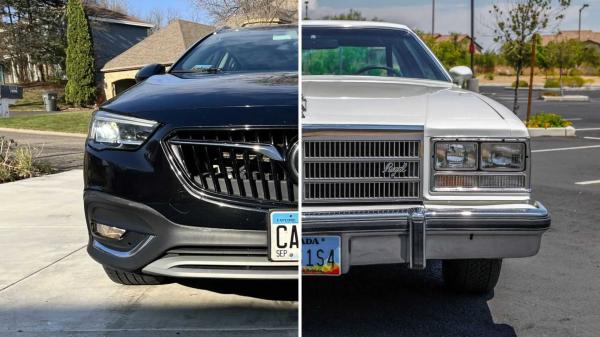
Buick Regal Generations (All Years): Engines, Trims, Specs, & Value
The Buick Regal is famous for Grand National models, but it’s story spans six generations. Here’s everything you need to know about it.
This American Sedan Actually Speaks German

While American buyers were busy overpaying for luxury German badges, General Motors was quietly conducting a corporate reshuffle of its domestic brands behind the scenes. Historically, these brands were known for building soft, floating sedans designed for straight-line comfort on American highways. GM also owned Opel, a historic German manufacturer based in Russelsheim that specialized in building sharp-handling cars designed specifically to handle the Autobahn as well as the tight, twisting back roads of Europe.
In the late 2000s, Opel built a flagship vehicle called the Insignia. It was a massive hit in Europe. It earned the prestigious European Car of the Year award. Unlike American cars, which are built for rental fleet sales. Unlike American cars built for rental fleet sales, the Insignia was a legitimate, highly engineered German sports sedan developed on the Nürburgring.
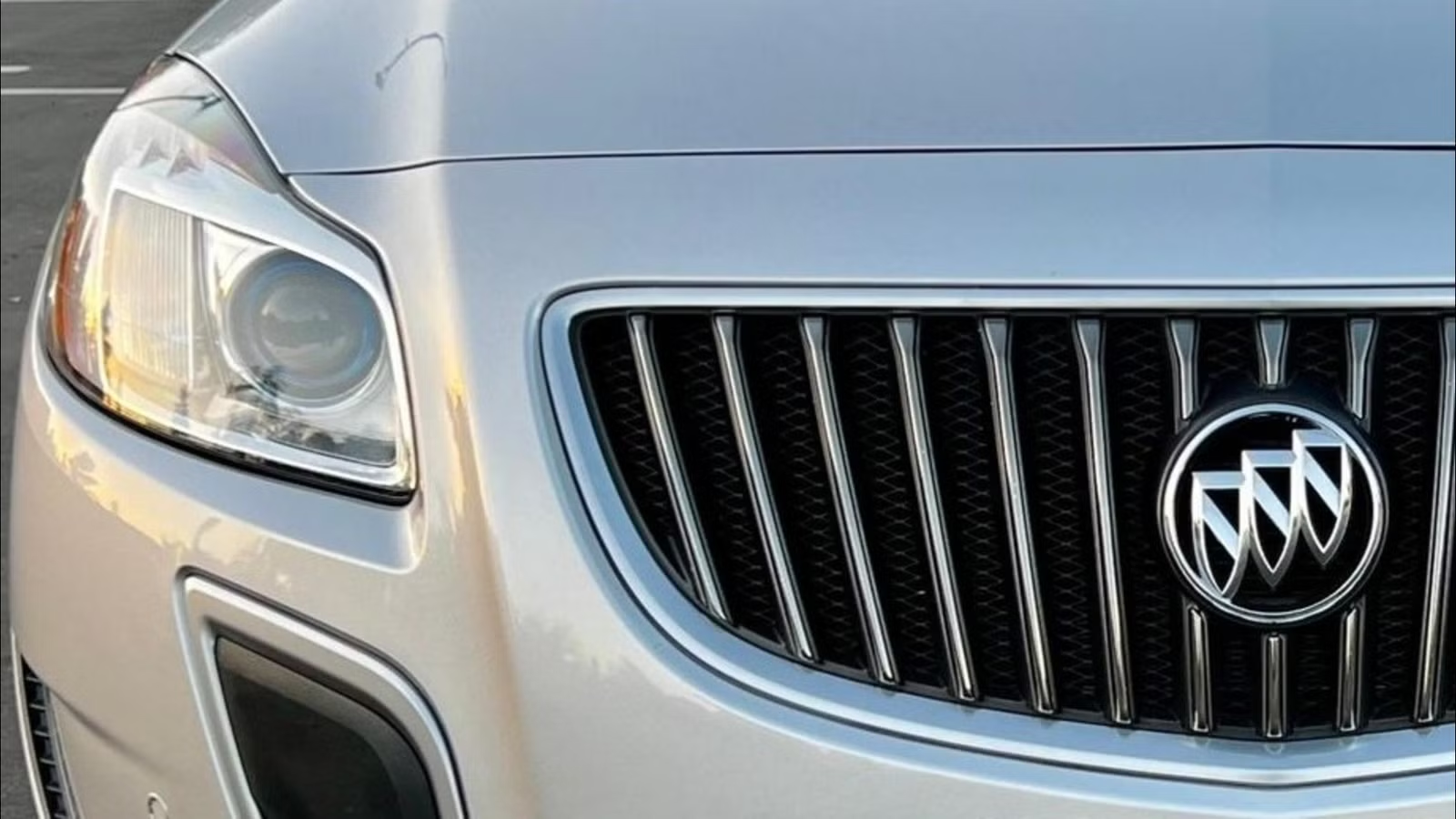
Desperate to inject some performance into the aging lineup of domestic cars. Desperate to inject some performance into the aging lineup of domestic cars, General Motors made a radical decision. They took this purebred German sedan, shipped the architecture across the Atlantic, and slapped a tri-shield badge on its front grille. To an average American walking into the dealership, it looked like an unassuming Buick. But underneath the skin hid the soul of a Russelsheim sports sedan. General Motors had successfully brought a legendary German driver’s car into the United States, hiding in plain sight right in front of the most conservative lineup of cars in America.
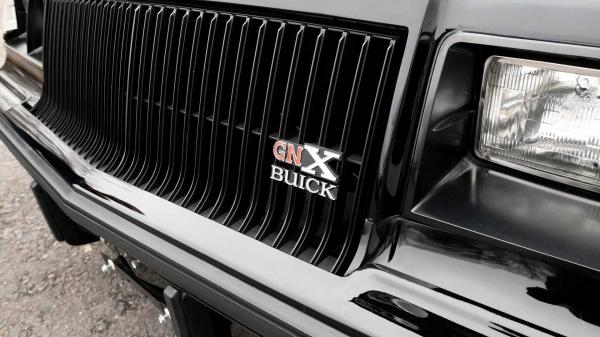
The Buick Grand National: Specs, History, GNX, And Buying Advice
The Grand National is one of Buick’s most celebrated cars. Here’s everything you need to know about it!
The Turbocharged Buick Regal GS With Three Pedals

The absolute pinnacle of a cross-continent identity swap hit the American market in the form of the 2011 Buick Regal GS, which was in production till 2017. This wasn’t a car with just a fancy appearance package and shiny wheels with a trunk spoiler. The GS was a ground-up performance-focused variant designed to take on the entry-level luxury sedans. Under the hood sat a 2.0-liter twin-scroll turbocharged Ecotec four-cylinder engine. It produced a whopping 270 horsepower and 295 lb-ft of torque in an era when the BMW 328i produced just 240 horsepower.
Buick Regal GS Specs
|
Engine |
Transmission |
Power |
Torque |
0 to 60 MPH |
|---|---|---|---|---|
|
2.0L Twin-Scroll Turbo 4-cylinder |
6-speed manual (FWD exclusive) |
270 HP |
295 IB-FT |
6.2 Seconds |
The mechanical details confirming that the car was made purely for the enthusiast included a short-throw six-speed manual transmission. Notably, the six-speed manual was only offered with the front-wheel-drive, turbocharged GS variant. The All-Wheel Drive and mild-hybrid variants were strictly automatic. As the pure driving experience was the priority for enthusiasts, the FWD option with the 6-speed manual was the clear choice.
With the manual transmission dropping all the power to the front wheels, the Regal GS could reach 0 to 60 mph in a blisteringly quick 6.2 seconds. It was quick and punchy, thanks to peak torque arriving at a rather low 2,400 rpm and letting the car pull like a freight train in the mid-range. Because the exterior remained sophisticated and understated, nobody at the red light had any idea what was beside them, allowing enthusiasts to enjoy the car while flying under the radar.
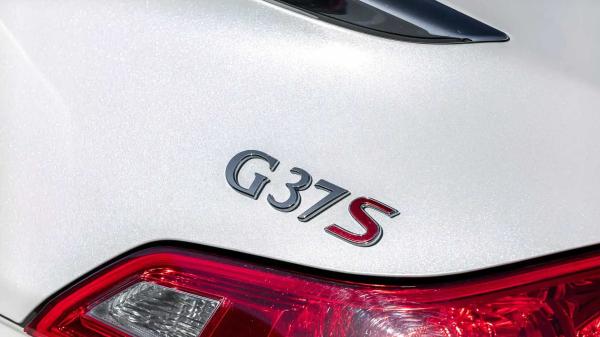
The Sports Car That Drives Like A BMW But Lasts Like A Honda
The Infiniti G37 Coupe delivers BMW-like thrills with Honda-level reliability at a fraction of German car maintenance costs.
Out-Handling The Ultimate Driving Machine

When the Regal GS first hit showroom floors, the automotive community was skeptical. The expectation was that a Front-Wheel Drive Buick would have a lumpy ride and terrible handling, and that the steering wheel would rip the driver’s hand off due to excessive, uncontrolled torque steer. But when the independent instrumented testing began, the data shocked the entire industry.
On a standard 300-foot skid pad, the equalizer metric for pure chassis balance and mechanical grip, the Buick Regal GS pulled a staggering 0.90G. To put that into perspective, exotic German rivals such as the BMW 328i (F30) topped out at 0.87G, and the Audi A4 2.0T managed 0.88G. The front-wheel-drive Buick didn’t just match the rear-wheel-drive ultimate driving machine from Munich; it out-handled it.
This performance wasn’t just a fluke. GM used high-end chassis components from its parts bin that were reserved for top-tier track cars. To eliminate torque steer, GM used the HiPer Strut (High Performance Strut) front suspension. With improved handling, the car needed better stopping power, so GM added top-of-the-range track-ready four-piston Brembo front brakes that clamped down on ventilated rotors.
Furthermore, the driver could alter the car’s personality for even more precision by pressing the GS button on the dashboard, which instantly firmed up the high-tech adaptive dampers, sharpened the throttle response, and weighted the steering, transforming the car from a compliant highway cruiser into an aggressive, flat-cornering canyon carver.
The World’s Cheapest 400-HP Twin-Turbo Sedan Is Hiding In Plain Sight
Discover the ultimate sleeper car that packs a 400-horsepower punch.
BMW Performance For Civic Money

Fast-forward to 2026, and the great automotive depreciation has hit the Regal GS, making it one of the best used sports cars on the market. That being said, the average consumer still cannot look past the Buick tri-shield badge. These cars have experienced a massive price drop compared to their German counterparts.
Today, you can easily find a clean, well-maintained example for anywhere between $8,000 to $17,000, depending on the mileage and model year. Getting a manual-transmission Audi or a BMW with the same budget usually leaves you with a high-mileage nightmare. But it gets even sweeter for the enthusiasts who want to modify their cars. The 2.0-liter engine inside the GS features a robust bottom end and incredible headroom for extra performance.
GM tuners like Trifecta Performance and ZZP (ZZ Performance) specialize in tuning the Regal GS. With just a basic software tune and minor bolt-on parts, tuners can easily extract an additional 50-plus wheel horsepower from the GS, pushing it past the 320-horsepower mark. Pushing over the 320-horsepower mark. The Regal GS is the ultimate cheat code for an affordable manual car with the performance and precision of a European car.
Source: Buick Regal, Motogallery.com, Cars&Bids

Related posts





Latest Post


No Comments