
The Brutal Truth About Why Riders Stop Loving Their Motorcycles
Motorcycles rarely get dumped for being bad. They get dumped for being wrong. Nothing on the spec sheet changes, nothing mechanical gives up, and the bike is every bit as capable as the day it rolled out of the showroom. What changes is the connection, and once that starts to slip, even a brilliant machine can end up gathering dust. It doesn’t happen overnight. The rides get shorter, the weekends get busier, and the cover stays on a little longer each time. Most riders never see it coming. And more often than not, the bike is the last thing to blame. Here are some reasons that come unexpectedly.
The Bike Didn’t Change, The Rider Did

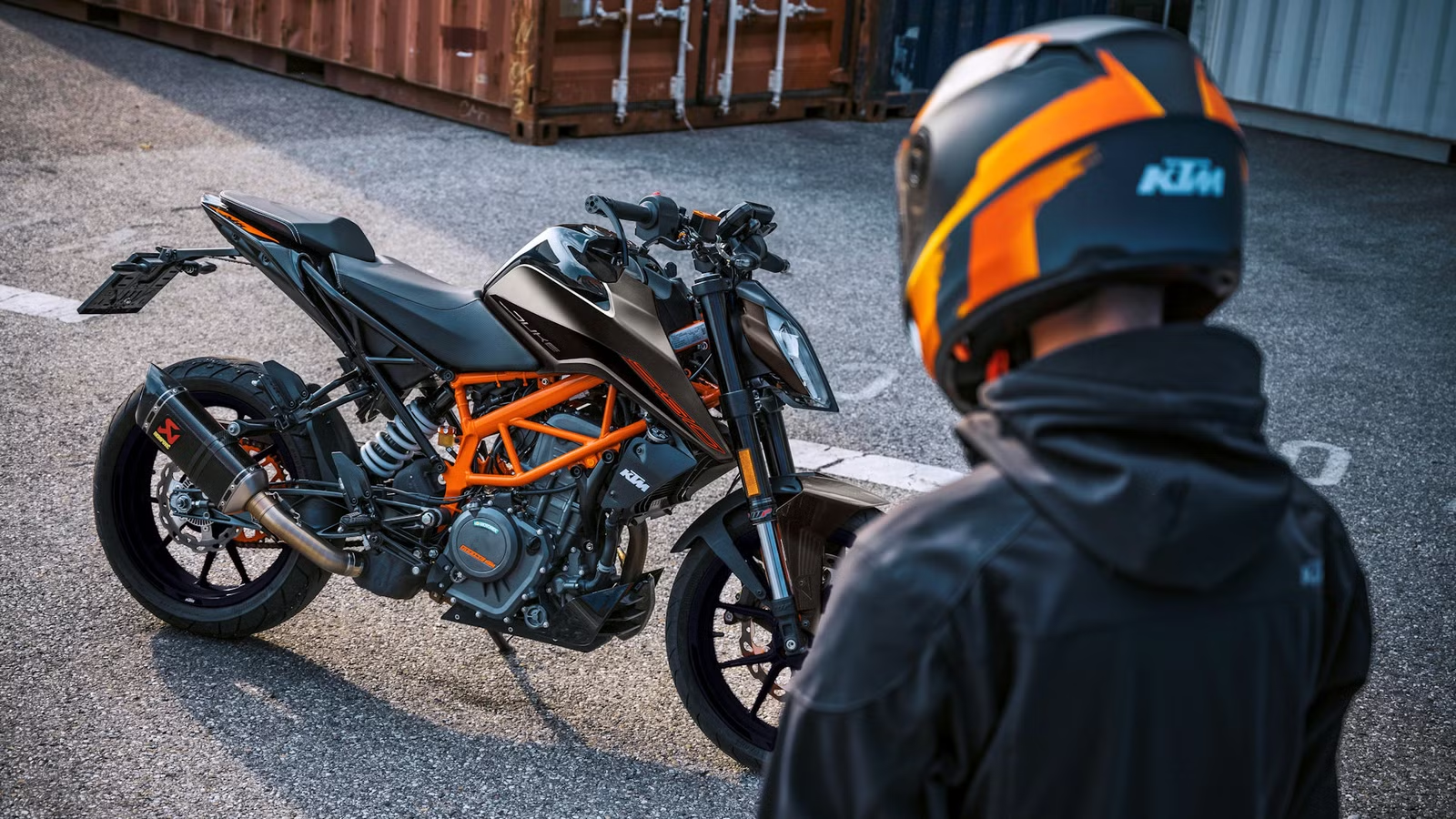
Sometimes, nobody makes a mistake at all. Often, it’s a rider who started on a KTM 390 Duke or Kawasaki Ninja 500 and simply outgrew it as skills and confidence built. Life changes can have the same effect on bigger machines. A superbike like the Yamaha R1 or Aprilia RSV4 is a joy on solo weekend rides, but its tiny pillion seat makes little sense once a partner wants to come along, and its crouched riding position becomes tiring if the bike has to double as everyday transport. Not a single bolt on the bike has changed, yet it no longer fits.
The thing that actually shifted here is the rider’s priorities. A motorcycle that once matched every ambition slowly turns into a reminder of a different chapter, admired in the garage but rarely ridden. Recognizing that isn’t a failure of loyalty. More often, it’s the first step toward finding a bike that fits the life being lived now.
Bought For All The Wrong Reasons


Most riders don’t arrive at a purchase alone. A friend’s endorsement, a YouTuber’s verdict, or a well-shot reel can settle the decision long before a test ride does. The problem is that each of those opinions is tied to a specific rider and riding environment. Take a middleweight sport bike like the Kawasaki Ninja ZX-6R. Its low clip-ons, high foot pegs, and top-end-focused engine reward an experienced rider on an open, winding road. Put it in the hands of a newer rider who needs a bike for daily traffic, and the same traits translate into sore wrists, constant clutch work, and an engine that rarely reaches its sweet spot.
Aspirational buying creates a similar gap. Riders often choose a bike for the trips they hope to take rather than the riding they do every week. Full-size adventure bikes such as the BMW R 1300 GS Adventure, KTM 1390 Super Adventure S EVO and Ducati Multistrada V4 are built for long distances and loaded touring, so they come with tall seats, large fuel tanks and substantial weight. Those traits make sense on a cross-country trip. In urban use, they make filtering, U-turns and parking noticeably harder, and because commuting happens far more often than touring, it ends up shaping how the owner feels about the bike.
Group Riding Syndrome

Roll into a Triumph owners’ meet on a Speed 400, and you’ll likely be parked between Speed Triple 1200s and Street Triple 765s. On your own, the Speed 400 feels quick, eager, and plenty of fun. Out on the highway with that group, it suddenly feels slow. You spend the ride chasing taillights and pulling into every regroup point just as the others are getting ready to leave. None of that changes what the bike can do, but it changes how you see it. The machine you were once proud of starts to feel like the thing holding you back.
Horsepower isn’t the only way a group can make a good bike feel like a bad decision. A Harley-Davidson Fat Boy is built for relaxed cruising, so a sport-minded group carving through the hills leaves its rider scraping footboards and trailing the pack. Repeat that every weekend, and the frustration stops being about the ride and starts being about the bike. Eventually, the rider begins to wonder whether a different machine would make things easier. The motorcycle never let them down. The group simply made it feel like the wrong choice, and that feeling is hard to shake.
Modded Before Ever Knowing It Stock

The aftermarket makes it remarkably easy to personalize a motorcycle from day one, and many owners waste no time. Exhausts, tail tidies, lowering kits and knobby tires are often fitted before the rider has spent meaningful time on the bike as its engineers intended. Each change promises more character or comfort, but each one also alters a carefully developed balance. Lowering a KTM 390 Adventure makes its tall seat more manageable, yet it reduces ground clearance and changes how the suspension behaves off-road. Fitting block-pattern tires to a Royal Enfield Interceptor 650 delivers the scrambler look, but costs tarmac grip, steering precision and wet-weather confidence.
Manufacturers develop a motorcycle as a complete package, with ergonomics, suspension, tires and engine calibration tuned to work together. Riding the bike in stock form is how an owner learns that package, including its strengths and its limits. Skip that step, and there is no reference point to judge the modifications against. When problems appear, such as a scraping undercarriage, a droning exhaust or a vague front end, they tend to be blamed on the motorcycle rather than the changes made to it. That misplaced blame gradually lowers the owner’s opinion of the bike.
The Bills Never Stopped Coming

Most performance bikes are bought on emotion. The rush, the sound and the reel-worthy presence do the convincing, and few buyers stop to check what it takes to keep one running. That’s usually when they learn that buying the bike was the cheap part. Ducati’s famed Desmo services are only the start, and most riders already know that European machines rarely come cheap to keep on the road. Over time, the excitement before every ride is joined by a quiet calculation of what it will cost, and the shine slowly starts to fade.
The same holds true in the used market, where many riders go looking for thrilling machines at a far more tempting price. A lower price rarely means lower bills, though. A great deal can hide a stretched chain, tired fork seals or a skipped service, and the real condition often reveals itself only after the money has changed hands. The savings disappear one repair at a time. Eventually, the bike feels less like a reward and more like a running tab, and each repair bill quietly dulls the excitement that started it all.
Rider’s Fear Took Over The Throttle

Few riders will admit it, but some motorcycles quietly scare their owners. The jump often happens too fast, from a small commuter straight onto a liter-class naked or superbike like KTM’s Super Duke R or Ducati’s Streetfighter V4. Electronics can rein in a slide, but they can’t supply experience, so the throttle stays half-closed. That tension reshapes how the bike gets used. Wet roads and long rides start to feel like risks, outings shrink to short, familiar loops, and skills stop growing. The machine that promised freedom starts to feel like a dare, and very few riders keep accepting a dare they never wanted.

Related posts


Latest Post


No Comments