
The 390-HP 1963 Chrysler With 400 Built And Just 112 Known Survivors
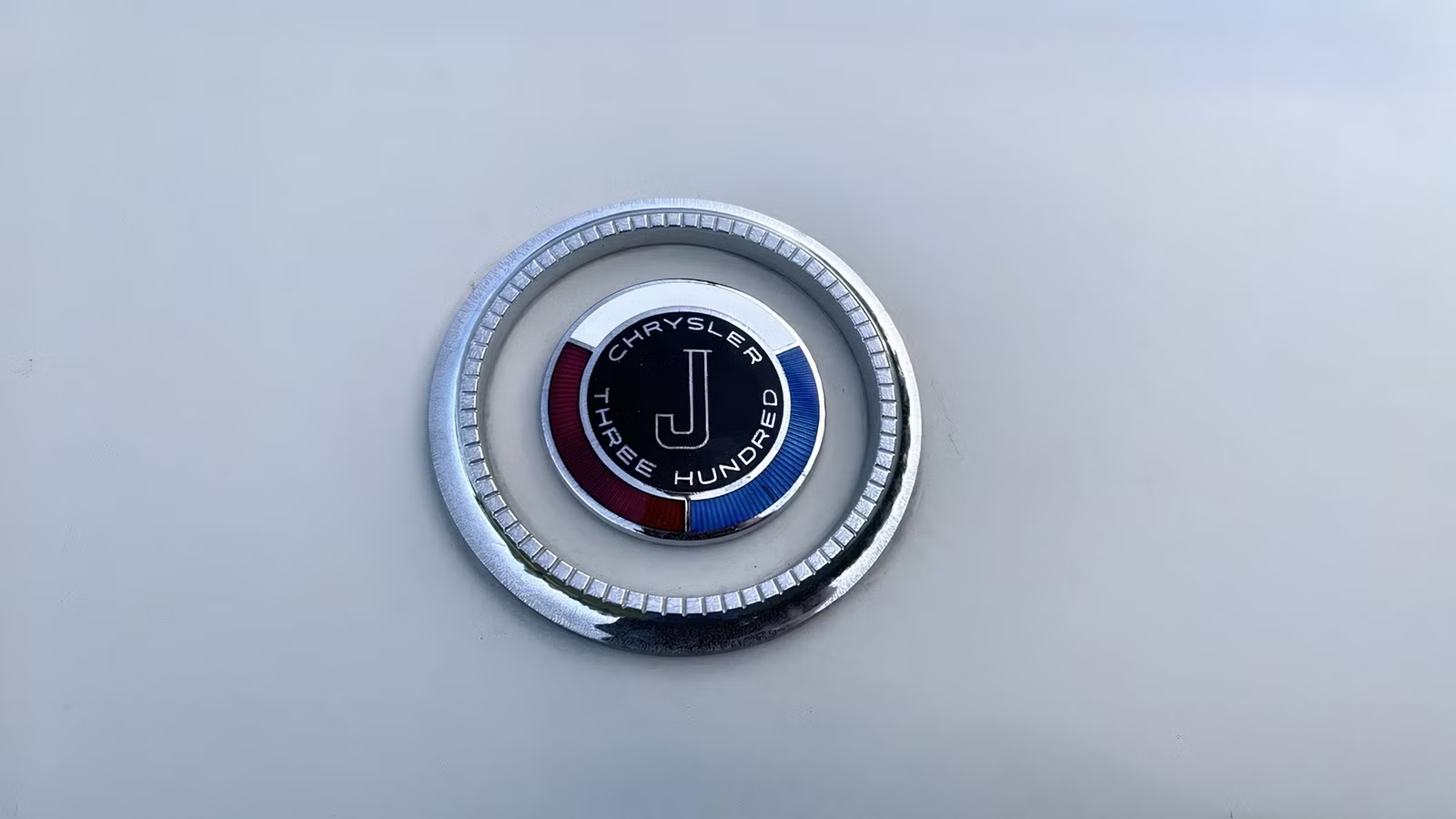
A 390-hp V8, 485 lb-ft of torque, and a moderate price tag made this Chrysler a serious luxury-performance machine in 1963. Yet the company built just 400 units, and the Chrysler 300 Club’s registry lists only 112 known cars today. That count isn’t a confirmed worldwide survival total, but it highlights how uncommon the model is. How did such a powerful flagship become one of the most overlooked cars in Chrysler’s prestigious letter-car lineup? The answer may lie in a major styling change and a cheaper alternative wearing a remarkably similar badge.
A 390-HP Flagship That Almost Nobody Bought

Chrysler’s letter cars combined serious power with upscale interiors and the ability to cover long distances quickly. It all started with the 1955 Chrysler C-300, also known as the “300A”, unofficially. By 1963, however, one of the brand’s most powerful offerings was struggling to attract buyers. With a $5,260 base price, this flagship sits firmly in luxury-performance territory. Its large V8 produced 390 hp, yet Chrysler built only 400 examples. That made it the lowest-production model in the letter series — an unexpected result for a car with such imposing specifications.
Only 112 Examples Are Listed In The Club Registry

The Chrysler 300 Club’s registry lists 112 known examples. That’s about 28% of the original production total, but it isn’t a verified survival rate. Cars outside the club’s records may still exist. The contrast is striking: a powerful, expensive flagship attracted relatively few buyers when new. To understand why, it helps to look beyond its engine and examine the car Chrysler introduced in 1963.
The 1963 Chrysler 300J Had The Muscle To Match Its Name


The car was the 1963 Chrysler 300J, the tenth letter-car model in the series. Chrysler skipped the letter I because it could be mistaken for the numeral 1. Every 300J was a two-door hardtop, with no convertible offered that year. Its 413.8-cubic-inch wedge V8 engine used ram induction and was rated at 390 hp at 4,800 rpm, with 485 lb-ft of torque. This wasn’t a stripped-down drag car. The 300J was a luxury coupe designed to deliver serious performance without abandoning comfort.
Ram Induction Helped This Luxury Coupe Make 390 HP

The ram-induction system used long intake runners to take advantage of pressure waves in the incoming air-fuel mixture. Runner length helped tune the engine’s breathing for a particular operating range. For 1963, Chrysler adopted a shorter-ram configuration compared with the earlier long-ram setups. The runners were internally divided only partway, a distinctive detail of the design. Shorter runners shifted the system’s tuning toward higher engine speeds, helping distinguish the 300J’s setup from earlier letter cars. It was an interesting engineering solution for a high-speed grand tourer. But impressive hardware couldn’t guarantee sales, especially when Chrysler was changing the look and positioning of its flagship.
Chrysler Changed Its Styling And Confused Its Own Buyers
The 300J arrived during a major design transition. Virgil Exner’s earlier Chryslers, like the C-300, were known for prominent tailfins and flamboyant styling. Under Elwood Engel, the company moved toward flatter surfaces, cleaner lines, and a more angular appearance.
The new look on the Chrysler 300L wasn’t necessarily bad, but it broke with the visual identity associated with earlier letter cars. Buyers who preferred Exner’s dramatic designs may not have warmed to Engel’s more restrained approach. Styling, however, was only part of the problem.

Chrysler also offered the non-letter 300 Sport Series. It shared similar styling and the familiar 300 name but cost less than the premium letter car. That overlap could leave shoppers wondering why they should pay more for the flagship when a cheaper Chrysler looked much the same. The redesign and the cheaper model are both cited as contributing explanations for weak sales. Neither can be established as the sole cause. Together, though, they help explain how a technically impressive car could struggle to justify its place in Chrysler’s lineup.
Just 112 Known Survivors Make This Forgotten Chrysler Worth Another Look

The 300J’s appeal today comes from more than its limited production. Its 413.8-cubic-inch V8, ram-induction system, and luxury appointments capture a moment when American performance cars were moving toward a different idea of speed. The registry’s 112 examples provide a useful record of cars known to the Chrysler 300 Club, not a definitive count of every survivor. What isn’t disputed is that Chrysler built just 400 new 300Js, making the model an uncommon sight today.
Rarity Doesn’t Automatically Guarantee A Huge Price Tag

Scarcity alone doesn’t determine market value. Condition, originality, documentation, and collector demand all affect what an individual car is worth. The Chrysler 300J’s historical significance and unusual engineering give it a strong case for enthusiasts, but its production figure doesn’t guarantee a particular price. Mecum showed a 300J for around $22,000, while a 300 (non-letter) sold for about $11,500.
Its story is more interesting than a simple tale of a rare car. Chrysler built a powerful flagship during a styling transition while a cheaper model blurred the distinction between premium and affordable. The 300J wasn’t short on performance. It was caught between changing design tastes and a product strategy that made its identity harder to sell.
For a car producing 390 hp in 1963, that is an unfortunate legacy. The 300J deserved more attention than it received, and its surviving examples remind us that even an impressive flagship can be overlooked when the market doesn’t quite understand what it’s selling.
Source: Mecum

Related posts



Latest Post


No Comments