
Off-roading just as thrilling as driving a McLaren, new study says
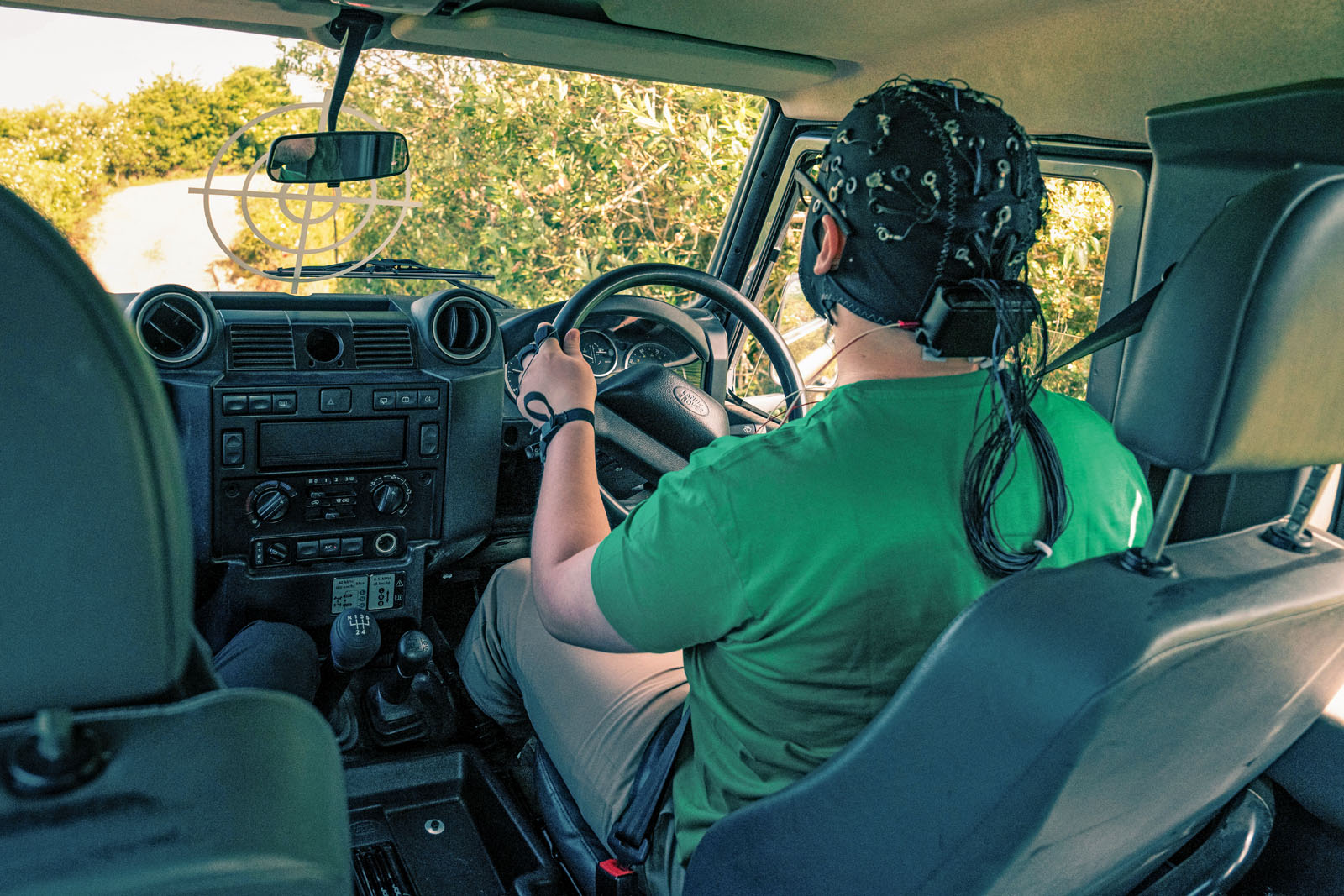
Endless hours are spent discussing the detail of this car’s or that car’s attributes and why it may or may not deliver a thrill. But the question of what happens in the human mind that translates into that feeling of excitement a driver gets is rarely talked about.
Castrol has tackled the question with a “Thrill of Driving’ study as part of its “data-engineered” development approach.

Drawing on the expertise of Brainbox, a British neuroscience company that specialises, among other things, in brain research technology, researchers took a scientific approach to figuring out exactly what constitutes the thrill of driving and what goes on in our heads when we’re enjoying it.
They came up with three key factors that converge to trigger the thrill drivers experience. These were the visceral (intense state of mental and physical stimulation), intellectual (how engaged the mind is on the task) and emotional (the balance of excitement versus fear).
And the burning question was: which driving experiences best deliver the critical combination of those things?

To find out, subjects wore brain, eye, heart and skin monitors and took five tests on track at PalmerSport’s facility in Bedfordshire. These involved low-speed off-roading, kart driving, laps in a McLaren Artura GT4, laps in an open racing car and a passenger ride in a JP-LM sports prototype driven by a professional racer.
The idea was to cross-reference different areas of the body’s response to the tests. An electroencephalography machine (EEG) performed a 30-channel analysis of ‘frontal-midline theta’, which indicates focused cognitive engagement. Heart rate variability (HRV) monitoring measured the balance of stress versus recovery to show how aroused the body was. Galvanic skin response (GSR) testing measured arousal intensity via skin conductance. And eye tracking measured fixation, blink rate and saccades (jerky, involuntary movements) to tell whether arousal was due to ‘focused flow’ or anxious scanning.
Participants’ thrill peaked when driving the McLaren, but at similar speeds as a passenger in the JP-LM they exhibited anxiety, reflecting a brain that was becoming overwhelmed. Thrill levels were high in the relatively low-speed karts and the 5mph off-road sessions.
Several conclusions were drawn but, in a nutshell, focus, control and achieving or approaching that neurophysical ‘flow state’ determine the thrill of driving, not outright speed.

Related posts



Latest Post


No Comments