
Nissan Sentra’s Latest Recall Is Small In Scale, But The Safety Risk Is Serious
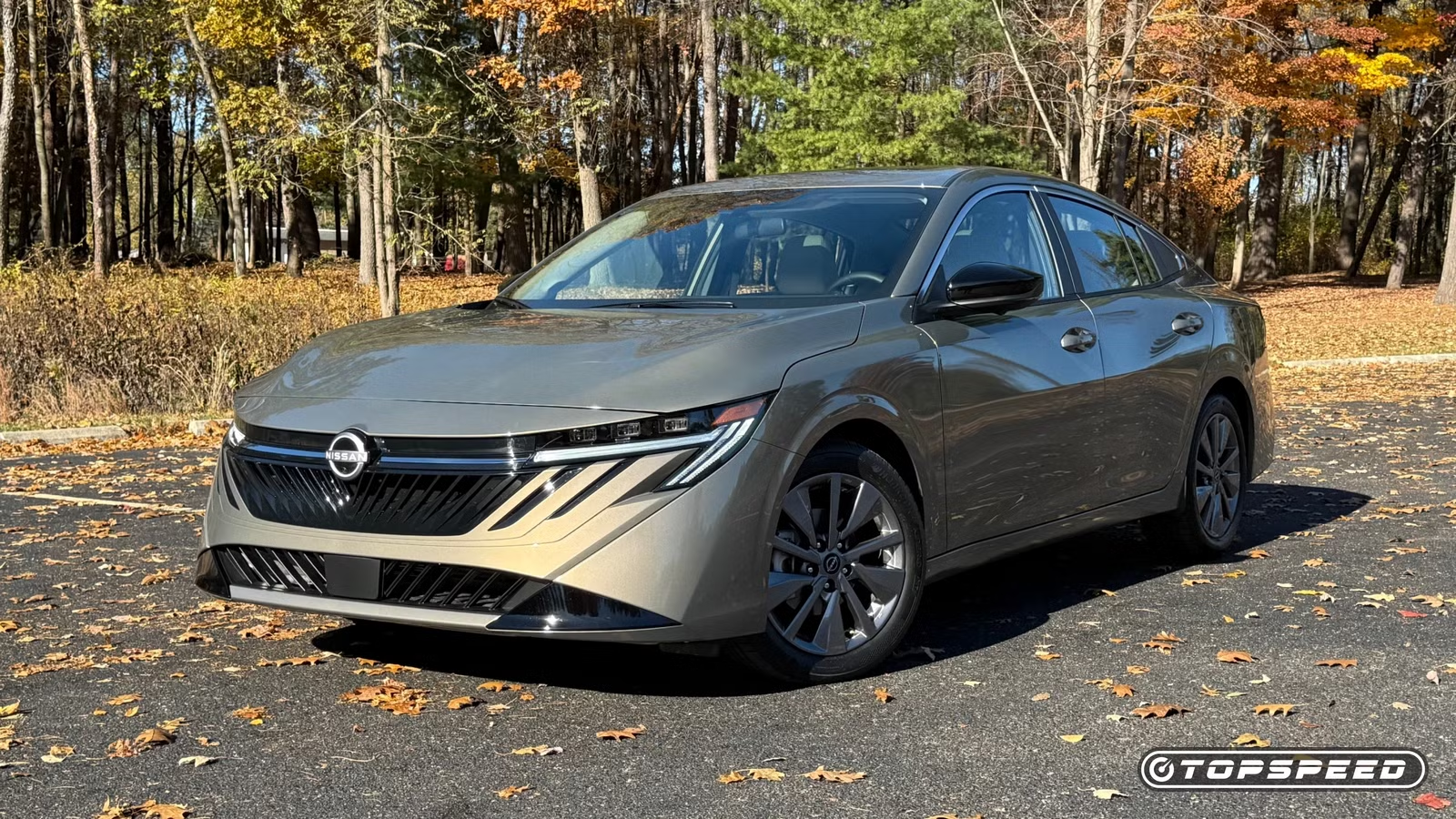
A new Nissan Sentra recall issued July 3, 2026, covers a relatively small number of vehicles—but the defect at the center of it is serious enough that owners should not wait to act. The failure mode creates a direct safety hazard for drivers and passengers, and the limited scope of the recall makes it easy to assume your car isn’t affected. That assumption could be dangerous.

The research bundle available at publication contains headline-level confirmation of the recall’s existence and its safety framing, but specific details—exact vehicle count, affected model years, trim levels, the precise defect description, and the remedy—were not fully accessible in the sourced material. What follows reflects what can be confirmed; owners should verify their specific VIN directly through NHTSA and Nissan using the steps below.
What Owners Need To Do Right Now
The most important step any Sentra owner can take today is to check whether their vehicle is included in this recall. The fastest way to do that is through NHTSA’s official recall lookup tool at nhtsa.gov/recalls, where you can enter your 17-digit Vehicle Identification Number (VIN) and get an immediate result. Your VIN is printed on a sticker inside the driver’s door jamb and on the lower-left corner of your windshield.

If your Sentra is flagged, contact your nearest Nissan dealership to schedule an inspection and repair. Recall repairs are performed at no cost to the owner—parts and labor are covered by Nissan. Nissan is also required to notify affected owners by mail, but that process can take several weeks. Don’t wait for the letter if you have any reason to believe your car may be involved.
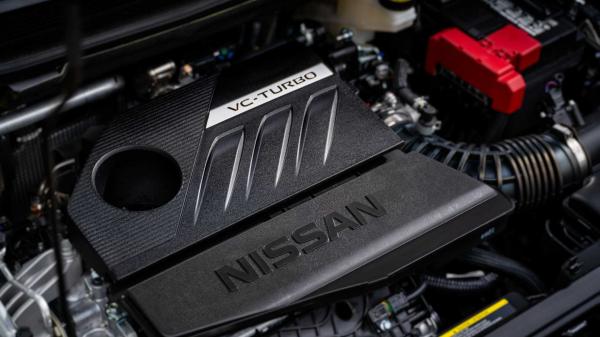
Over 300,000 Nissan SUVs Recalled Over Engine Failure Risk
This large-scale safety campaign affects a popular model.
Why A Small Recall Can Still Carry Serious Risk

It’s easy to scroll past a recall that affects a few hundred or a few thousand vehicles. Large recalls—the kind that cover tens of thousands of cars—tend to generate more headlines and more urgency. But the size of a recall has no bearing on how dangerous the underlying defect is. A single failure mode that causes a loss of vehicle control, a fire, or a structural compromise is just as hazardous whether it affects 500 cars or 500,000.
NHTSA classifies recalls based on the nature of the defect and its potential to cause injury or death, not on how many vehicles are involved. When a low-volume recall carries a serious safety designation, it typically means the failure mode is well-documented and the risk to the specific vehicles affected is real. Sentra owners should treat this recall with the same urgency they would give any large-scale safety action.
Checking For Other Open Recalls On Your Sentra

This July 3 action may not be the only open recall on your vehicle. Nissan has issued multiple recalls across its lineup in recent months, and it’s possible a given Sentra carries more than one unresolved safety notice. The NHTSA VIN lookup will surface all open recalls tied to your specific vehicle, not just the most recent one.
If you purchased your Sentra used, it’s especially worth running the check. Open recalls don’t always transfer clearly through private sales, and a previous owner may not have had the repair completed. The lookup is free, takes under a minute, and gives you a complete picture of any outstanding safety actions on the car.
A Note On What This Article Can And Cannot Confirm

The source material available at the time of publication confirmed that a Nissan Sentra recall was issued on July 3, 2026, and that its safety risk is characterized as serious relative to its limited vehicle count. However, the full NHTSA recall report—including the specific defect description, the exact number of affected vehicles, the model years and trim levels covered, and the confirmed remedy—was not accessible in the research bundle used for this piece.
The most accurate and up-to-date information is at nhtsa.gov/recalls and through Nissan’s owner support line at 1-800-867-7669. Do not rely on this article alone to determine whether your vehicle is affected—use the VIN lookup.
Recalls exist because manufacturers and regulators have identified a real risk. The Sentra recall issued this week may be small in scope, but the right response from any affected owner is the same: check your VIN, call your dealer, and get the repair scheduled. It costs nothing and could matter more than you’d expect.

Related posts






Latest Post


No Comments