
New BMW X5 Keeps The Diesel Engine Alive, But With A Caveat
Article Summary
- The new BMW X5 will be available at launch as the 40d xDrive with a turbodiesel, 3.0-liter, six-cylinder engine.
- The mild-hybrid diesel engine produces 308 hp and 670 Nm (494 lb-ft) of torque.
- The engine has lost nearly 40 hp and 50 Nm (37 lb-ft) compared to the outgoing X5 xDrive40d
The latest registration data from the European Automobile Manufacturers’ Association (ACEA) confirms the gradual demise of diesel engines. In the first five months of the year, only 6.6% of new cars registered in Europe had this type of powertrain. By Europe, we mean all 27 members of the European Union, along with the UK and the four countries that make up the European Free Trade Association (EFTA): Iceland, Liechtenstein, Norway, and Switzerland.
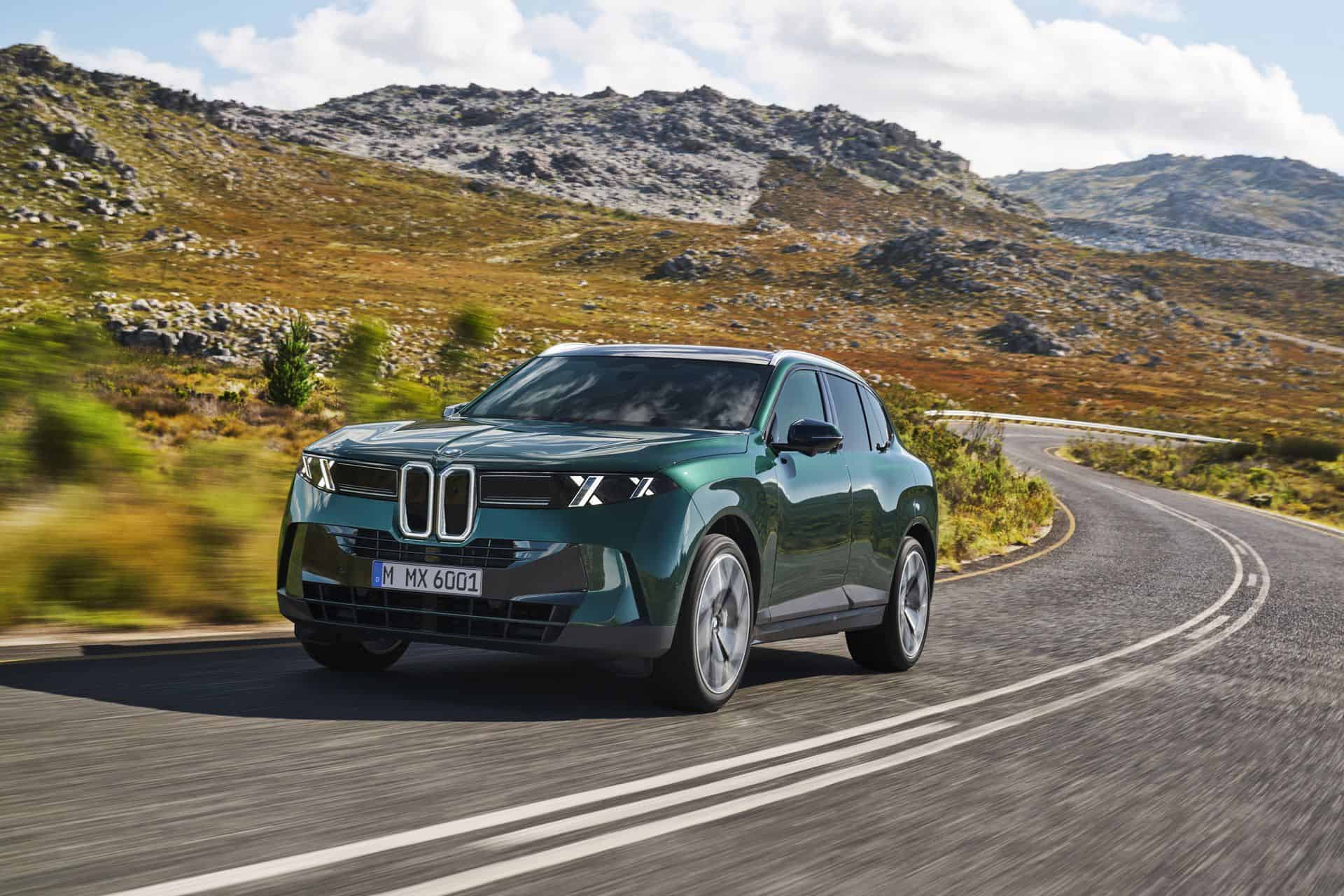
It’s a far cry from just a decade ago, when diesel accounted for more than 50% of Europe’s new car market. But the diesel engine isn’t quite dead yet. BMW is giving the fifth-generation X5 the company’s latest iteration of the tried-and-tested B57 engine. The inline-six, 3.0-liter diesel with two-stage turbocharging survives into the G65 era that’s about to begin, complete with “improved engine acoustics.”
The New X5 40d xDrive Makes Do With Less Horsepower And Torque

That’s the good news. The bad news is the new X5 40d xDrive packs substantially less punch than the xDrive40d it replaces. It now makes 308 horsepower and 670 Newton-meters (494 pound-feet) of torque after factoring in the mild-hybrid assistance. Its predecessor, which also featured 48V technology, produced nearly 40 hp and 50 Nm (37 lb-ft) more. Coincidentally, the new maximum torque figure matches that of the outgoing X5 xDrive30d.
We’ve reached out for an explanation and to confirm whether the drop is linked to tweaks made to comply with the Euro 7 emissions standard. After all, BMW has already detuned the S68 engine used in Europe’s M5 and XM for the same reason. Meanwhile, we do know the new X5 40d xDrive is considerably slower off the line than the version it replaces. It takes 6.1 seconds to hit 62 mph (100 km/h) from a standstill, whereas the old model was half a second quicker.
The New X5 Diesel Is Heavier And Slower Than Its Predecessor

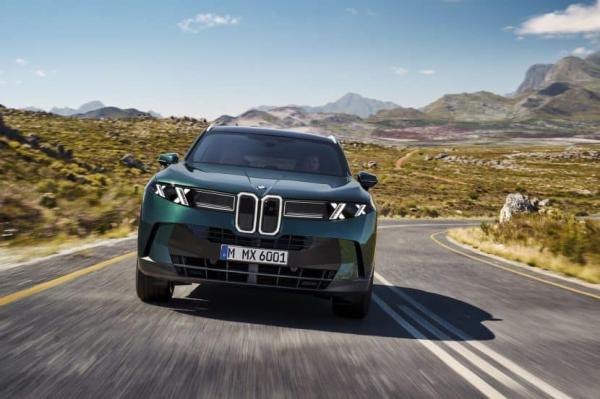
The difference doesn’t stem entirely from the less powerful engine, though. In 40d xDrive guise, the new X5 weighs 2,355 kilograms (5,192 pounds), making it 40 kg (88 lbs) heavier than before. Not that it matters unless you plan on doing a lot of Autobahn driving, but the top speed has taken a hit as well. The diesel X5 is electronically capped at 143 mph (230 km/h), down by almost 10 mph (15 km/h) compared to the G05-generation equivalent.
People buy diesel SUVs not just for the pulling power but also for their excellent fuel efficiency. In this regard, the new X5 is unlikely to disappoint. BMW quotes WLTP combined-cycle fuel consumption of as little as 7 liters / 100 km, which is 0.8 liters lower than before. It’s a remarkable figure, at least on paper, given the vehicle’s weight. And since it’s a diesel engine, the latest B57 is compatible with Hydrotreated Vegetable Oil (HVO100) to help curb CO2 emissions.
The X5 40d xDrive is among the versions available at the launch of the new X5 in Europe this November. For now, BMW isn’t saying whether a lower-powered 30d xDrive will follow.

Related posts





Latest Post


No Comments