
Mercedes Patent Reveals A Car That Knows When You’re Too Stressed For An Update
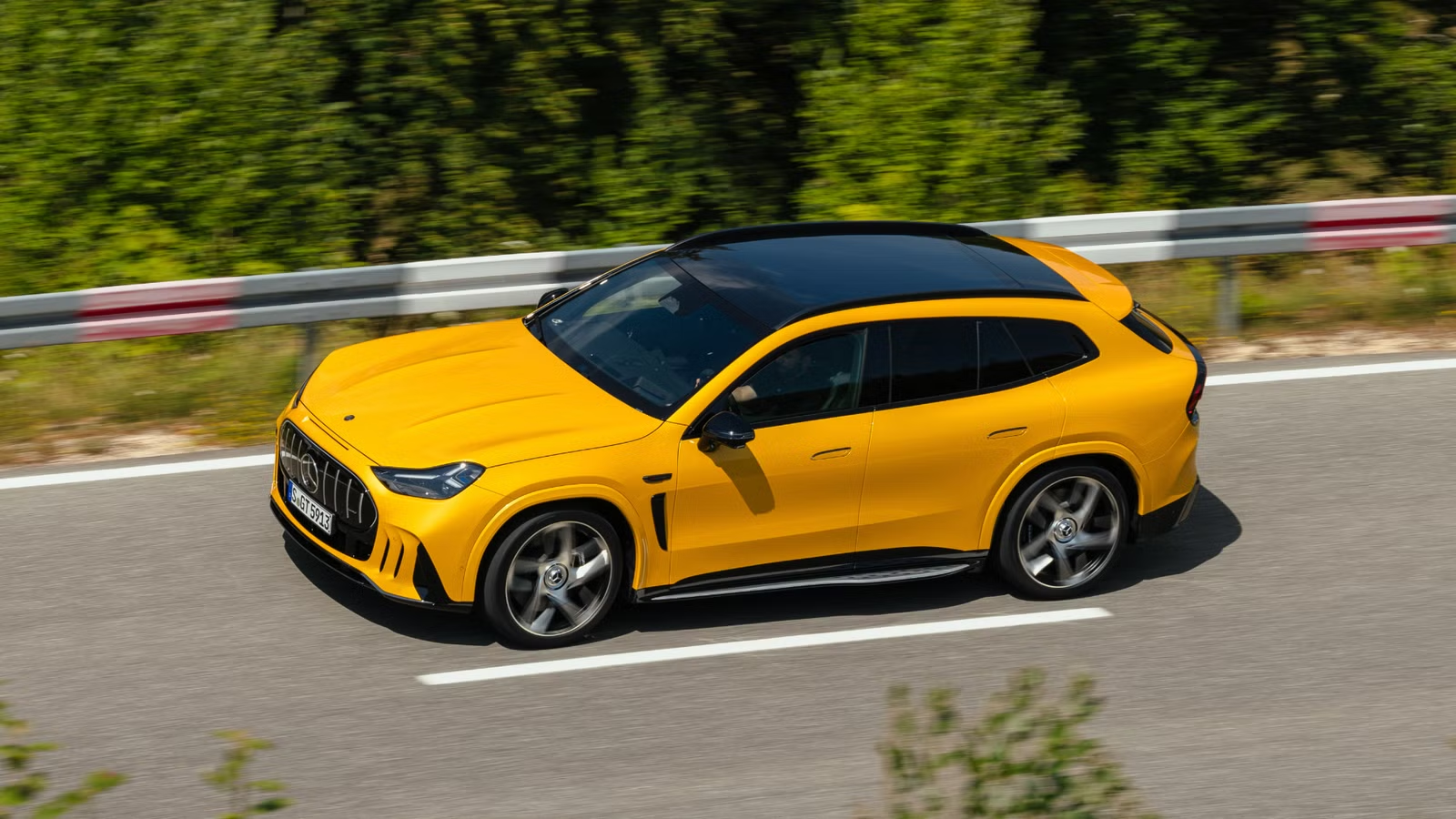
Mercedes-Benz has filed a patent application for technology that measures driver stress and decides whether a software update should wait. Published October 22, 2026, application WO2026219548 addresses a frustrating problem: over-the-air updates that temporarily prevent owners from accessing their vehicles.

The proposed system would monitor biometric signals, driving behavior, and calendar information to delay updates when drivers appear stressed. It’s a patent, not a confirmed production feature.
Why Software Updates Can Leave You Locked Out
Over-the-air updates deliver new features and fixes without dealership visits, but installation can temporarily disable functions, including door and trunk access. Imagine stopping at a gym and realizing your laptop is still in the trunk. If an update has started, you might be unable to retrieve it until installation finishes. Mercedes argues that stressed drivers are more likely to forget belongings, making poorly timed updates especially frustrating. Its solution is to recognize stress and postpone installation.
How The Car Would Measure Stress

The patent outlines several potential inputs: heart rate, skin conductivity, eye movements, blink rate, and voice analysis. Connected smartwatches could provide additional biometric information. Driving behavior, including speeding, tailgating, delayed reactions, and mistakes, could also indicate stress. Rather than applying identical thresholds to everyone, the system could learn individual driving patterns and recognize deviations from normal behavior.
Learning Your Habits And Spotting What You Forgot

Mercedes also proposes learning how long drivers typically park, delaying updates by 20 to 30 minutes when necessary. Calendar integration could identify suitable installation windows, while larger updates could be divided into shorter sessions. More unusually, interior cameras and AI object recognition could identify forgotten belongings. For example, the system might spot a gym bag, recognize the vehicle’s location outside a fitness center, and predict that its owner will return for it. Large language models could help interpret relationships between objects and locations.
The Scenario Mercedes Uses To Make Its Case
The patent describes a father running late after dropping his child at kindergarten. He accidentally leaves the child’s backpack in the trunk, only to find the vehicle inaccessible during an update. Mercedes’ proposed system would detect his elevated stress and delay installation, allowing him to retrieve the backpack. The example illustrates how software scheduling could adapt to a driver’s circumstances rather than following a fixed timetable.
A Patent, Not A Promise, And A Privacy Question

Mercedes hasn’t confirmed production plans, and patent applications don’t guarantee future features. The proposal also raises privacy concerns. Detecting stress and predicting behavior could require access to biometric measurements, calendars, driving habits, and interior camera feeds. That creates a significant trade-off: greater convenience in exchange for extensive personal data collection. Whether drivers would welcome that level of monitoring simply to avoid inconvenient software updates remains an open question.
Source: WIPO

Related posts




Latest Post


No Comments