
Market value or agreed value: How will your insurer value your car?
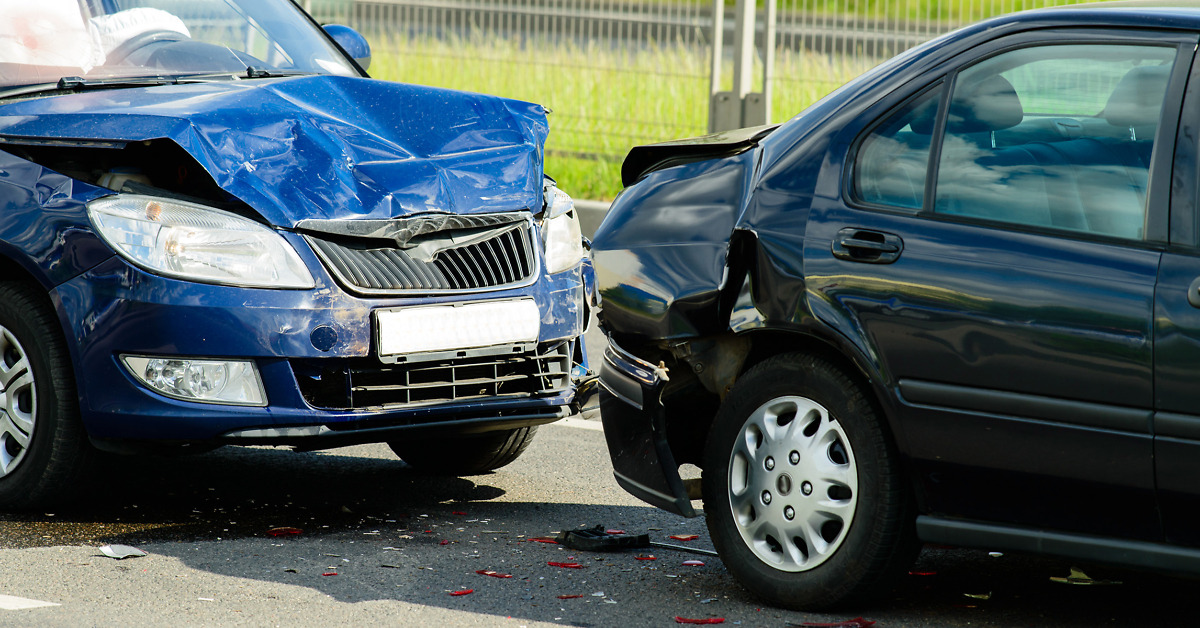
Most car insurance policies pay market value if your car is stolen or written off, while some specialist policies use an agreed value. We explain the difference and what each could mean for your payout.
If your car is stolen or damaged beyond economical repair, how much will your insurer actually pay you For most drivers, the answer is based on the car’s ‘market value’ immediately before it was stolen or damaged. That’s not necessarily what you originally paid for it, what you still owe on finance or even the value you entered when taking out the insurance policy.

Some specialist insurance policies work differently. They use an ‘agreed value’, where you and the insurer establish how much the car is insured for in advance.
This is particularly relevant for classic, rare, modified or unusual cars, where an ordinary market valuation may not adequately reflect what makes a particular vehicle valuable. So what’s the difference between market value and agreed value, and which one applies to your car?
What is market value?
Market value is essentially what your car was worth immediately before it was stolen or damaged.

If you have a conventional comprehensive car insurance policy and your vehicle is written off, this is normally the basis the insurer will use when calculating its settlement. Importantly, market value is not necessarily what you paid for the car.
Imagine you bought a new car for £30,000 three years ago and it’s now worth £18,000 on the used car market. If it’s stolen and never recovered, your insurer won’t normally refund the original £30,000 purchase price. It will assess what the car was worth immediately before it disappeared.
The same applies if you bought a used car for more than the typical market price, although a very recent purchase price can be relevant evidence when establishing its value.
How does an insurer calculate your car’s market value?
Insurers will generally use specialist motor valuation guides to establish what a vehicle was worth immediately before the loss.
The valuation should reflect the particular vehicle, including factors such as its age, mileage, specification and condition.
For mainstream cars, there’s usually plenty of market data available to establish a reasonable valuation.
It gets more difficult with older, rare or unusual vehicles. Valuation guides may have little or no useful data for a particularly rare classic, heavily modified vehicle, specialist conversion or unusual import.
In these circumstances, other evidence can become more important. This might include comparable vehicles advertised for sale, an independent expert valuation or other information about the particular vehicle.
Is market value the amount I entered on my insurance quote?
Not necessarily. When you apply for car insurance, you’ll often be asked how much you think your vehicle is worth. It’s easy to assume that entering £20,000 means the insurer has agreed to pay you £20,000 if the car is subsequently written off.
That’s generally not how a market-value policy works. Unless the policy specifically provides agreed-value cover, the insurer will normally assess what the car was worth immediately before the loss.
The value you supplied when taking out the policy may be relevant, but it isn’t automatically a guaranteed payout. Check the policy wording if you’re unsure whether your car is insured on a market-value or agreed-value basis.
Is market value the same as the amount I owe on finance?
No. Your car’s market value and the amount outstanding on a finance agreement are two separate things. You might owe £20,000 on a vehicle that’s only worth £17,000 at the time it’s written off.
A conventional market-value motor insurance policy doesn’t automatically pay the extra £3,000 simply because that’s what you owe the finance company. This is one of the reasons why products such as GAP insurance exist, which we’ll come to later.
Can an insurer reduce the valuation because of my car’s condition?
Yes, where its condition genuinely affects its market value. Significant pre-existing damage could make your vehicle worth less than an otherwise comparable example, so an insurer may take that into account.
However, a deduction should be reasonable and supported by evidence. There’s also an important distinction between genuine damage and ordinary wear and tear. A few small scratches may have a noticeable effect on the value of a nearly new car, for example, while similar marks would be fairly normal on a much older vehicle.
Mileage can also affect a vehicle’s value, so make sure the insurer has the correct mileage when assessing your car.
What if I think my insurer’s valuation is too low?
You don’t necessarily have to accept the first valuation without question. Start by asking the insurer how it arrived at the figure. Check that the details it has used are correct, particularly the model, trim level, engine or powertrain, age, mileage and specification.
If something is wrong, point it out. You can also gather evidence of your own. Look for genuinely comparable vehicles currently advertised for sale, paying close attention to age, mileage, specification and condition.
Don’t simply choose the most expensive similar-looking examples you can find. Advertised prices aren’t necessarily the prices cars eventually sell for, so adverts are supporting evidence rather than definitive proof of value.
For a particularly rare or unusual vehicle, an independent expert valuation may also be useful. If you still believe the valuation is unfair, make a formal complaint to your insurer. If the complaint isn’t resolved satisfactorily, you may then be able to refer it to the Financial Ombudsman Service.
The Ombudsman publishes guidance explaining how it approaches disputes over vehicle valuations and write-offs.
What is agreed value?
An agreed-value policy works differently. Instead of waiting until a claim to establish what the car was worth, you and the insurer agree the insured value in advance.
For example, you might own a rare classic car that has an agreed value of £30,000. If the vehicle is subsequently stolen or written off and you make a valid claim, the settlement should be based on the £30,000 value agreed in the policy rather than an insurer establishing its ordinary market value after the event.
This gives the owner greater certainty about what they’ll receive if the worst happens. Agreed-value policies aren’t particularly common for ordinary mainstream cars. They’re more commonly associated with classic, valuable, unusual or specialist vehicles.
How is an agreed value decided?
This depends on the insurer and the vehicle. The insurer may ask for photographs, details of the car’s specification and condition, receipts for restoration or modifications, or an independent valuation.
With a classic or collector’s car, factors such as provenance, originality, condition and rarity can have a significant effect on value.
The important point is that the insurer needs to accept the valuation. Simply deciding for yourself that your car is worth £50,000 doesn’t make it an agreed-value policy. Check what evidence your insurer requires and whether the agreed value is clearly recorded in your policy documents.
Does an agreed value change over time?
This is particularly important with classic and collector cars, where values can move significantly. Imagine you agree a £25,000 valuation with your insurer. By the following renewal, comparable cars are selling for substantially more.
If you simply renew the same £25,000 agreed value, you could potentially find yourself underinsured if the car is subsequently lost. The opposite can happen too, with the wider market falling after a valuation was agreed.
Review the value at each renewal and tell your insurer about anything that could significantly affect it, such as a major restoration or modification.
Who might benefit from agreed-value insurance?
For the majority of mainstream cars, a conventional market-value insurance policy is suitable coverage – mainstream vehicles generally have enough market data available for an insurer to establish what they’re worth. Agreed value becomes more relevant where it’s difficult for conventional valuation methods to capture what makes a particular vehicle valuable.
Classic and collector cars
Two cars of the same age and model can have very different values depending on their condition, history, originality and provenance. A rare specification or exceptionally well-preserved example may also command significantly more than an ordinary vehicle of the same age. This makes classic and collector cars obvious candidates for agreed-value cover.
Modified and restored cars
If you’ve spent substantial amounts restoring or modifying a vehicle, you may want to investigate specialist agreed-value insurance. Some modifications can make a vehicle more desirable to a particular buyer but less desirable to somebody else, so the amount spent doesn’t necessarily translate directly into additional market value. Make sure you’ve also declared relevant modifications to your insurer.
Kit cars and unusual imports
There may be relatively little mainstream valuation data available for kit cars, specialist conversions and unusual imported vehicles. That can make establishing a conventional market value more difficult.
Rare or specialist performance cars
Some rare performance cars can have values that differ substantially according to specification, provenance, production numbers and condition. Values may also move relatively quickly.
Does agreed-value insurance cost more?
Not necessarily. Agreed-value policies are specialist insurance products, and their pricing depends on considerably more than the vehicle’s agreed value.
The car, driver, mileage, storage arrangements, usage and policy restrictions can all affect the premium. Classic-car policies, for example, can operate under very different conditions from conventional everyday car insurance.
Rather than assuming agreed-value cover will always be more expensive or cheaper, compare the overall policy carefully. Most importantly, avoid deliberately agreeing to an unrealistically low value simply in an attempt to reduce your premium. You could leave yourself inadequately covered if the car is subsequently stolen or written off.
What about new-car replacement cover?
Agreed value isn’t the only alternative to receiving the depreciated market value of a vehicle. Some comprehensive insurance policies include new-car replacement cover for relatively new vehicles.
If an eligible car is stolen or written off within a specified period, the insurer may replace it with a new equivalent rather than simply paying its current used-market value. There will be conditions attached. The age of the vehicle, how long you’ve owned it and the extent of the damage can all be relevant depending on the policy.
Is agreed value the same as GAP insurance?
No. They’re different products.
Agreed-value car insurance establishes how much the motor insurer will pay for the insured vehicle if there’s a valid total-loss claim.
GAP insurance is separate cover designed to address a specified shortfall between the motor insurer’s settlement and another figure.
Depending on the type of GAP policy, that could be the amount outstanding on a finance agreement, the original invoice price or the cost of replacing the car with a new equivalent. For example, imagine your motor insurer values your written-off car at £18,000 but you still owe £21,000 to the finance company.
A suitable finance GAP policy may cover the relevant £3,000 shortfall, subject to its terms and exclusions. Interested in GAP insurance? We have a full breakdown of the UK’s best GAP insurance providers here.
Read more:
This article was originally published in July 2023, before being updated in September 2026. Further reporting by Trinity Francis.

Related posts





Latest Post


No Comments