
Lamborghini Says Combustion Isn’t Going Anywhere — Here’s What That Means For The V10 and V12
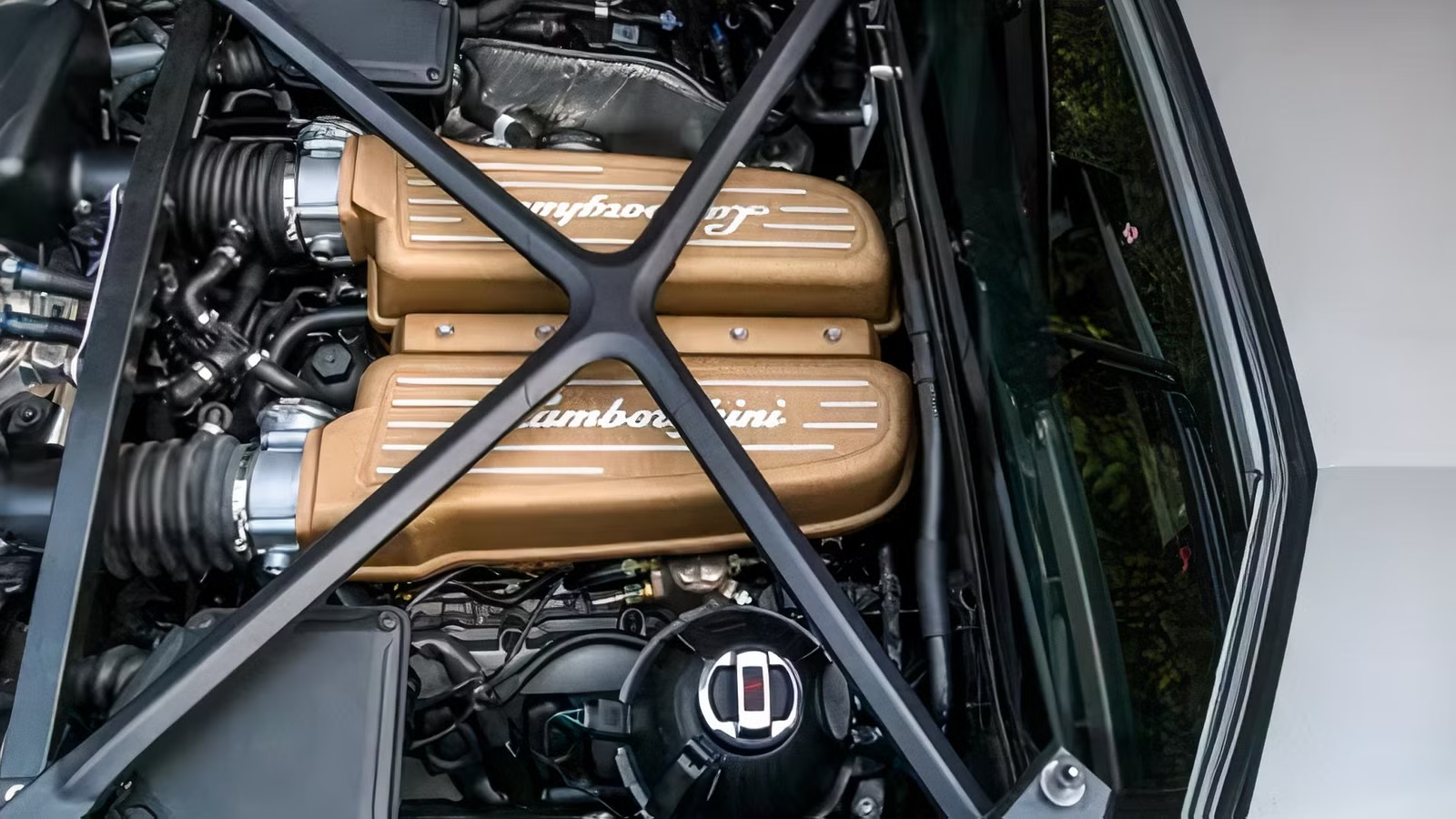
Lamborghini has drawn a clear line in the sand. The Italian supercar maker publicly reaffirmed this week that naturally aspirated combustion engines — specifically the V10 and V12 — remain central to its identity, with leadership citing the emotional, visceral experience those engines deliver as something no hybrid or battery-electric system can replicate. The phrase that’s been circulating from the brand’s own camp: customers “want goosebumps when they get in.”

For supercar buyers watching how the segment’s biggest names are navigating electrification, this is a meaningful signal. While Ferrari has moved toward hybridizing its halo cars and McLaren continues pursuing hybrid powertrain strategies, Lamborghini is betting that the sensory experience of a high-revving naturally aspirated engine is a competitive advantage worth protecting — not a legacy liability to be phased out.
What Lamborghini Actually Said — And Why It Matters
The reaffirmation came via an interview published July 23, 2026, in which Lamborghini leadership framed the combustion engine debate in explicitly emotional terms. The argument isn’t purely about performance numbers or regulatory positioning — it’s about the theater of the experience. A naturally aspirated V10 or V12 at full chat produces a sensory event: the sound, the vibration, the linear power delivery as revs climb, the way the engine responds directly to throttle input without the smoothing effect of electric torque fill. That’s the “goosebumps” Lamborghini is talking about.

This isn’t just brand romanticism. It reflects a genuine strategic divergence from competitors. Ferrari’s F80 — the latest halo car from Maranello — pairs a twin-turbocharged V6 with three electric motors, producing over 1,200 horsepower through a hybrid system that prioritizes peak output. McLaren has similarly moved toward hybridized powertrains across its lineup. Lamborghini’s position is that chasing those headline numbers through electrification compromises the character that defines the brand.
The V10 and V12 Roadmap: What’s Coming

The Huracán’s naturally aspirated 5.2-liter V10 has been one of the most celebrated engines in the modern supercar era — free-revving, sonorous, and tuned to deliver its character without turbo lag or electric assistance. The Huracán itself has been discontinued, but Lamborghini’s commitment to combustion strongly implies its successor will carry forward a version of that engine architecture rather than replacing it with a hybridized alternative.
The V12, meanwhile, lives on in the Revuelto — though that car does use a plug-in hybrid system paired to the naturally aspirated 6.5-liter unit. Lamborghini’s stance suggests the V12 itself isn’t going anywhere, even as the brand adds electrification around it. The distinction matters: hybridizing a V12 to meet emissions targets while preserving the engine’s fundamental character is a different proposition than replacing it with a turbocharged or fully electric alternative. For buyers, the question is whether future models maintain that naturally aspirated core or gradually dilute it in pursuit of efficiency.
How This Positions Lamborghini Against Ferrari and McLaren

The competitive framing here is real. Ferrari’s hybrid halo strategy — exemplified by the F80 — delivers extraordinary performance figures, but the driving experience is shaped by electric motors in ways that purists have noted. McLaren’s hybrid direction similarly prioritizes output and efficiency alongside the combustion engine. Aston Martin, for its part, has taken a different but related approach: deliberately keeping V12 production volumes low enough to qualify for regulatory exemptions, buying time to preserve the engine without full electrification.
Lamborghini’s public commitment lands as a buying signal for a specific type of supercar customer — one who values the unmediated connection of a naturally aspirated engine over peak horsepower or lap-time optimization. If you’re weighing a future Lamborghini against a hybridized Ferrari or McLaren, the brand is explicitly telling you what it’s prioritizing. That clarity is useful. The next three to five years will test whether the market rewards that stance or whether regulatory pressure and customer appetite for electrified performance eventually forces Lamborghini’s hand.
For now, Lamborghini’s message is unambiguous: the V10 and V12 stay, the naturally aspirated character stays, and the brand isn’t chasing competitors into full hybridization. Whether that holds as emissions regulations tighten across Europe and the U.S. remains the open question — but buyers in the market today know exactly what Lamborghini is selling.

Related posts

Latest Post


No Comments