
Driving in a heatwave: What UK drivers need to know
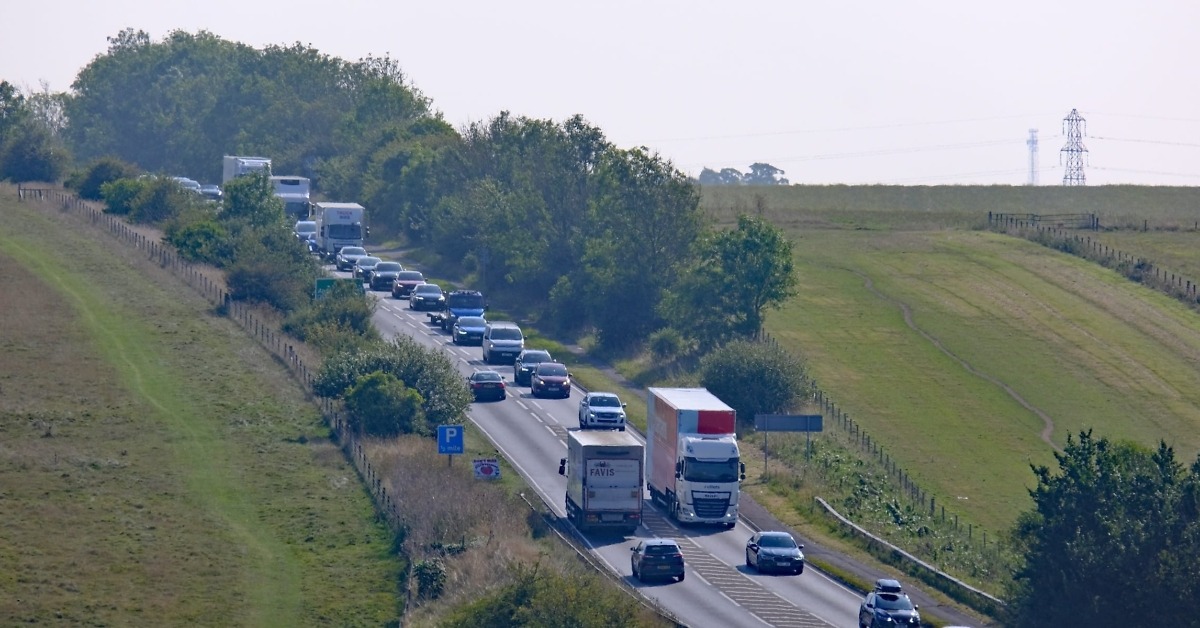
Heatwaves may still feel unusual in the UK, but hot spells are becoming a more regular part of summer driving. Most modern cars are designed to cope with high temperatures, but heat can make existing problems worse – from worn tyres and low coolant to weak air conditioning and tired drivers.
A well-maintained car should not fall apart simply because the temperature climbs above 30°C. The bigger risk is that hot weather exposes issues that were already there, or turns a minor inconvenience into a more serious problem. A tyre that’s old, damaged or underinflated is under more stress on a hot road. A cooling system that’s low on coolant has less margin when the engine is working hard. A weak air-conditioning system becomes a bigger problem if you’re stuck in traffic with children, older passengers or pets on board.

The same applies to drivers. A hot cabin is not just uncomfortable – it can make you tired, dehydrated and less able to concentrate. That matters on any journey, but particularly on long motorway trips, holiday drives or heavy summer traffic where you may spend more time in the car than expected.
A little preparation will make driving in hot weather safer, more comfortable and less likely to be interrupted by avoidable problems.
Quick heatwave driving checklist
Before setting off in very hot weather, make sure you’ve done the basics. Check your tyre pressures and tyre condition, check engine coolant and oil levels if you drive a petrol, diesel or hybrid car, test the air conditioning before you actually need it, pack drinking water for everyone in the car, and plan fuel or charging stops if you’re travelling a long distance.

It’s also worth allowing extra time for regular breaks, especially if you’re travelling with children, older passengers, vulnerable passengers or pets. Never leave children or animals alone in a parked car, even briefly, and stop safely if a warning light appears rather than trying to press on and hope it goes away.
Check your tyres before travelling
Tyres are one of the most important checks before any long journey, and hot weather makes that even more important. Heat alone will not usually cause a healthy tyre to fail, but high temperatures increase the stress on tyres that are already underinflated, overloaded, damaged or worn.
Check your tyre pressures before travelling, ideally when the tyres are cold, and adjust them to the manufacturer’s recommended pressures. You’ll usually find these in the handbook, inside the fuel filler flap or on a sticker inside one of the door openings. If you’re carrying several passengers and luggage, check whether your car has a higher pressure recommendation for heavy loads.
Don’t let air out of a hot tyre simply because the pressure has risen after driving. Tyre pressures are calculated to allow for the normal increase as tyres warm up on the road. If you reduce the pressure when the tyre is hot, it may be underinflated when it cools down again.
You should also check for cuts, cracks, bulges or objects stuck in the tread, and make sure there’s plenty of tread depth remaining. If your car has a spare wheel, check that as well. A spare tyre that’s flat, perished or missing entirely is not much help if you’re stuck at the side of the road in the heat.
Check coolant, oil and washer fluid
If you drive a petrol, diesel or hybrid car, make sure the engine coolant level is between the minimum and maximum marks before setting off. Coolant helps prevent the engine from overheating and is far more effective than plain water, so a low coolant level should not be ignored.
Check the oil level as well, especially before a long journey. Oil helps lubricate and protect the engine, and an engine that’s already low on oil has less protection when it’s working hard in hot conditions.
It’s also worth topping up the windscreen washer bottle. Summer roads can quickly leave your windscreen covered in dust, pollen and insect remains, which can reduce visibility when the sun is low or shining directly at you.
Make sure the air conditioning works
Few things make a summer journey more unpleasant than discovering that your air conditioning has stopped working halfway through a trip. It’s not just about comfort, either. If the cabin gets too hot, you and your passengers are more likely to become tired, irritable or dehydrated.
Test the system before the hottest days arrive. If it’s not blowing cold air, it may need an air-conditioning service or a refrigerant recharge, although poor performance can also point to a fault. Leaving it until the day of a long journey gives you no time to get it fixed.
If your car does not have air conditioning, or it’s not working properly, plan more carefully. Travel earlier or later in the day where practical, carry more water, take proper breaks and avoid assuming you’ll be fine if you get caught in slow-moving traffic.
Plan ahead if you drive an electric car
Most electric cars cope well with hot weather, especially models with active battery cooling, and heat usually has a smaller effect on driving range than cold winter weather. Using the air conditioning will consume some energy, but it’s normally not a reason to avoid using it. Keeping the cabin comfortable is more important than trying to save every last mile of range.
On a long journey, it still makes sense to plan charging stops rather than leaving it to chance. Hot weather can mean heavier traffic, longer journey times and busier motorway services, especially during school holidays or weekend getaways.
Some electric cars may reduce rapid-charging speed temporarily if the battery is too hot. That’s done to protect the battery, and it does not usually mean anything is wrong with the car. It may, however, mean a charging stop takes longer than expected, so build in a little margin rather than planning everything down to the last percentage point.
Keep yourself and your passengers cool
A hot cabin can cause tiredness, dehydration and reduced concentration, all of which increase the chance of mistakes behind the wheel. Carry drinking water for everyone in the car, especially on longer journeys, and don’t rely on being able to buy some quickly if you’re delayed in traffic or stopped on a motorway.
Use the air conditioning to keep the cabin comfortable. If your car doesn’t have air conditioning, opening the windows can help at lower speeds, although closing them and using the ventilation system is usually better on faster roads.
Take regular breaks if you’re travelling a long distance, and avoid the hottest part of the day if you can. If you begin to feel dizzy, nauseous, unusually tired or unable to concentrate, don’t keep driving. Stop somewhere safe, get out of the heat if possible and allow yourself time to recover.
Watch for warning lights and overheating
Most modern cars are very good at managing engine temperatures, but warning lights and temperature gauges should never be ignored. A temperature warning, coolant warning or serious engine warning is not something to leave until you reach your destination.
If your car warns that the engine is overheating, pull over somewhere safe as soon as possible, switch off the engine and allow it to cool naturally. Do not remove the coolant reservoir cap while the engine is hot, as pressurised coolant can cause serious burns.
If the warning disappears after the car cools down, that does not necessarily mean the problem has gone away. Check the handbook, look for obvious signs of coolant loss and call your breakdown provider if you’re unsure. Continuing to drive an overheating car can cause expensive engine damage.
Allow for road surfaces and extra hazards
Prolonged high temperatures can damage road surfaces, particularly on quieter or poorly maintained roads. You may also see more tyre debris on faster roads if heavy vehicle tyres fail, so keep your distance from the vehicle in front and stay alert for debris in the carriageway.
Warm weather also tends to bring out more cyclists, pedestrians and motorcyclists, especially around towns, villages, beaches and tourist areas. Give people more space where you can, and remember that everyone else is dealing with the heat as well.
Glare can also be a problem, particularly early or late in the day. Keep sunglasses within reach, make sure your windscreen is clean inside and out, and use the sun visor properly rather than trying to squint through bright light.
Parking in hot weather
Whenever possible, park in the shade to help keep the cabin cooler. A reflective windscreen sunshade can make a noticeable difference, and it’s worth remembering that steering wheels, gear selectors, seatbelt buckles and leather or dark-coloured seats can become extremely hot after several hours in direct sunlight.
Don’t leave phones, laptops, aerosols or medication in a hot car if you can avoid it. Prolonged exposure to high temperatures can damage electronics and some medicines, while pressurised containers can create a safety risk.
If your car has a pre-conditioning function, use it sensibly. Many electric cars and some plug-in hybrids allow you to cool the cabin before you get in, either from the key or a phone app. That can be useful, particularly if you’re travelling with children or older passengers, but make sure you still have enough charge or fuel for the journey.
Never leave children or pets in a parked car
Children and pets should never be left alone in a parked car in hot weather, even for a few minutes. A car interior can heat up rapidly, and leaving the windows slightly open does not make it safe.
This applies even if you think you’ll only be gone briefly. Shops take longer than expected, queues build up and distractions happen. Children and animals are more vulnerable to heat-related illness than healthy adults, and a parked car can become dangerous very quickly.
If you see a child or animal in distress inside a hot car, call 999. Don’t assume someone else has already done it.
Some cars have a ‘pet mode’, which runs the air-conditioning to keep the car cool and look after your dog. But even then, it’s still not recommended to leave your dog in the car when the temperatures are so high.
If your car breaks down in a heatwave
If your car develops a fault or overheats during a heatwave, your first priority is getting yourself and your passengers somewhere safe. The car can be repaired or recovered later; people need to be protected immediately, especially if you’re stuck in direct sun or close to fast-moving traffic.
If possible, leave the carriageway and stop somewhere safe. On a motorway, use the hard shoulder or an emergency refuge area if one is available. Put your hazard lights on, get everyone out of the vehicle through the left-hand doors where it’s safe to do so, move behind the safety barrier and stay well away from traffic.
Take drinking water with you if you can do so safely, but do not put yourself at risk trying to retrieve items from the car once you’re already in a safer position. If you cannot leave the vehicle safely, keep your seatbelt on, put your hazard lights on and call 999.
Heat makes breakdowns more uncomfortable and potentially more serious, especially for children, older passengers, vulnerable passengers and pets. If anyone starts feeling unwell while you’re waiting for help, say so when you speak to the emergency services or your breakdown provider.
Simple preparation makes the biggest difference
Driving in a heatwave is not automatically dangerous, and most modern cars should cope perfectly well if they’re properly maintained. The problems usually come from weak points that hot weather exposes: old tyres, low fluids, poor air conditioning, tired drivers, unplanned delays and people or animals left in parked cars.
The most useful checks are also the simplest ones. Make sure the tyres are in good condition, check the fluids, test the air conditioning, carry water and leave enough time for the journey. If the weather is extreme, or if you’re travelling with vulnerable passengers, think carefully about when you travel and where you’ll stop.
There’s no need to panic about driving in hot weather, but there is every reason to prepare properly. A few minutes of checking before you leave is far better than dealing with a preventable problem at the roadside in the heat.
Frequently asked questions
Is it safe to drive during a heatwave?
Yes, provided the journey is necessary and you prepare properly. Modern cars are designed to operate in hot weather, but you should check the car before travelling, carry water, take breaks and avoid the hottest part of the day where practical. If you feel dizzy, nauseous, unusually tired or unable to concentrate, stop somewhere safe.
Can hot weather cause tyre blowouts?
Heat alone rarely causes a healthy tyre to fail, but it can increase the stress on tyres that are underinflated, overloaded, damaged or badly worn. Check pressures when the tyres are cold, inspect the sidewalls and tread, and do not let air out of hot tyres simply because the pressure has risen after driving.
Does hot weather reduce electric car range?
Hot weather usually has a smaller effect on EV range than cold weather. Air conditioning and battery cooling systems use some energy, but the impact is normally modest. The bigger issue on long trips may be charging availability, busy charging sites or slower rapid charging if the battery is managing its temperature.
Should I use air conditioning or open the windows?
At lower speeds, open windows can help cool the cabin. On faster roads, using the air conditioning is usually more comfortable and may be more efficient than driving with the windows fully open. In very hot weather, driver comfort and concentration are more important than trying to save a tiny amount of fuel or battery charge.
Why is my EV charging more slowly in hot weather?
Some electric cars reduce rapid-charging speeds temporarily if the battery becomes too hot. This protects the battery and helps manage long-term durability. It usually does not mean the car is faulty, but it can make a charging stop take longer than expected.
What should I do if my car overheats?
Pull over somewhere safe as soon as possible, switch off the engine and allow it to cool. Do not remove the coolant cap while the engine is hot, as pressurised coolant can cause serious burns. Check the handbook and call your breakdown provider if you’re unsure whether it’s safe to continue.
Can I leave a dog in the car with the windows open?
No. Leaving the windows slightly open does not make a parked car safe in hot weather. Dogs and other pets should not be left unattended in a car during a heatwave, even briefly.
Read more:

Related posts





Latest Post


No Comments