
DOT vs. ECE 22.06 vs. Snell vs. FIM: Motorcycle Helmet Safety Ratings Explained
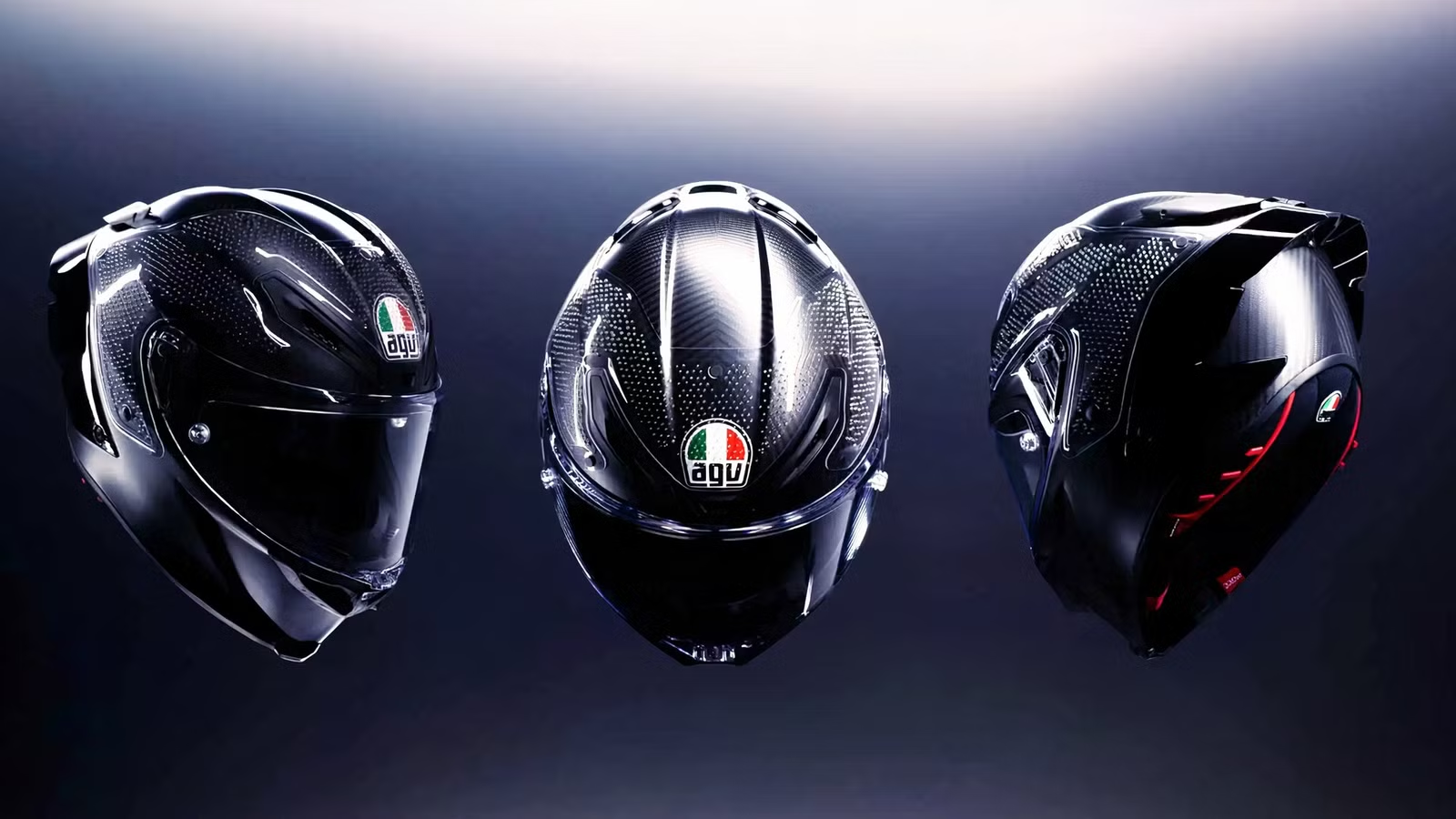
Buying a motorcycle helmet should be straightforward, but the alphabet soup of safety certifications can make things unnecessarily complicated. DOT, ECE 22.06, Snell, and FIM labels appear on everything from affordable commuter helmets to professional racing equipment, often with little explanation of what they actually mean. They’re all designed to improve rider safety, but they don’t necessarily measure protection in the same way. Understanding the differences can help riders make smarter decisions without spending more than necessary.
Understanding Helmet Standards Can Be Confusing

Motorcycle helmets are subjected to various tests before they’re considered compliant with established safety standards. These typically involve measuring impact absorption, checking chin strap strength, and evaluating how well a helmet stays secured during a crash. However, different governing bodies and independent organizations use different testing procedures, impact conditions, and certification requirements. Some focus primarily on road use, while others account for the demands of professional racing.
It’s also important to understand that certifications aren’t interchangeable, nor do they form a simple ranking from worst to best. A helmet can meet several standards simultaneously, but having more stickers doesn’t automatically mean it offers better protection in every possible accident. Ultimately, these certifications establish measurable safety requirements and help the market understand that the products they’re buying adhere to safety standards, rather than guaranteeing a particular outcome in a crash.
DOT: The US Legal Baseline


DOT certification refers to Federal Motor Vehicle Safety Standard No. 218, the mandatory federal standard for motorcycle helmets sold for road use in the United States. It establishes minimum requirements for impact protection, penetration resistance, retention systems, and labeling. DOT relies on manufacturers declaring that their helmets comply with the standard, rather than requiring advance approval from a government testing facility.
DOT’s testing procedures are relatively antiquated, with much of the standard’s foundation dating back to the 1970s. Helmets are dropped onto flat and rounded steel anvils to measure impact absorption, while separate tests evaluate penetration resistance and chin strap strength. Unlike newer standards, DOT doesn’t specifically assess rotational forces, despite their importance in real-world head injuries. While it establishes a legally enforceable baseline for protection, its aging testing methods haven’t kept pace with modern helmet safety research.
ECE 22.06: A More Comprehensive Approach

Developed under the United Nations Economic Commission for Europe, ECE 22.06 represents a significant update over the older ECE 22.05 standard. It introduces additional impact locations, multiple testing speeds, and assessments of rotational acceleration. This is particularly important because real-world motorcycle crashes rarely involve the head striking a surface perfectly straight.
ECE 22.06 takes things further by testing helmets at different impact speeds, including both lower-energy and higher-energy collisions. One particularly interesting procedure involves dropping the helmet onto a 45-degree angled surface to simulate a glancing blow. Sensors measure rotational acceleration, while additional evaluations examine visor durability, chin bar protection, and the potential for protruding components to snag during a crash.
ECE certification also involves independent type approval and production conformity requirements, making it different from DOT’s self-certification approach. For everyday road riders, ECE 22.06 offers a strong combination of modern testing methods and practical relevance, making it a particularly worthwhile certification to look for when shopping for a new helmet.
Snell: Independent Testing With Tougher Requirements

The Snell Memorial Foundation is an independent nonprofit organization that certifies helmets against its own demanding safety standards. Unlike DOT, Snell certification requires helmets to undergo testing before approval, with particular emphasis on their ability to manage substantial impact energy. Snell certification is voluntary, although certain racing organizations require it.
Snell puts helmets through repeated impacts against flat, rounded, and edge-shaped anvils, with strict limits on how much acceleration can reach the simulated head. The latest M2025 standards also introduce angled-impact testing to measure rotational forces. Other procedures examine shell penetration, chin bar strength, and retention system performance, creating a demanding series of tests designed to evaluate how helmets perform under particularly harsh conditions.
FIM: Built For Professional Motorcycle Racing

FIM certification comes from the Fédération Internationale de Motocyclisme, motorcycle racing’s international governing body. Its latest FRHPhe-02 homologation standard builds upon existing international certifications with additional requirements covering impacts, rotational forces, and other demanding test conditions associated with competition.
FIM’s latest FRHPhe-02 testing procedures include impacts against flat, hemispherical, and angled surfaces, with sensors measuring both linear and rotational forces. Helmets also undergo penetration testing and chin bar impacts, with the visor required to remain closed during specified tests. There’s even a procedure checking how easily emergency responders can remove the cheek pads, making rider extraction part of the overall safety assessment.
The updated FIM standard became mandatory across most FIM championships in 2026, replacing the earlier racing homologation requirements. It’s a highly specialized certification intended for professional motorsport, and riders can identify approved models through the official FIM label sewn onto the chin strap. It’s an impressive credential, but most everyday motorcyclists don’t need a racing-homologated helmet.
Which Helmet Certification Should Riders Actually Choose?

For everyday street riding, helmets must meet the legal certification requirements of their respective markets. In the US, that means DOT compliance, although many helmets also carry ECE 22.06 or Snell certification. These additional standards offer more comprehensive testing and independent verification, making them worthwhile considerations for riders seeking extra protection.
FIM homologation, meanwhile, is intended for professional racing. Meeting its demanding requirements can involve thicker shells, additional reinforcement, and different EPS liner densities, potentially affecting weight and comfort. However, tougher racing standards meant for high-speed racetrack use doesn’t necessarily translate to better protection in everyday road accidents at street-legal speeds, making FIM certification unnecessary for most street riders.
Ultimately, proper fit, genuine certification, and reputable manufacturing matter more than collecting safety stickers. Even an expensive, heavily certified helmet can compromise protection if it doesn’t fit correctly. The best choice is a helmet that meets the appropriate safety standards, fits comfortably and securely, and suits its intended riding conditions.

Related posts






Latest Post


No Comments