
BMW Wants EVs To Jump From 17.7% To 50% Of Sales By 2030
Article Summary
- The share of EVs in total BMW Group sales climbed from 4.1% in 2021 to 17.9% in 2025.
- During the first half of 2026, EVs accounted for 17.7% of total deliveries across BMW, MINI, and Rolls-Royce.
- The three brands collectively sold 148,664 fully electric vehicles through June, down by 14.6%.
BMW has always focused on giving people plenty of powertrain options. There’s everything from tiny 1.5-liter three-cylinder gasoline engines to mighty plug-in hybrid V8s. Until a few years ago, BMW even offered a quad-turbo inline-six diesel in M50d models and a V12 in the M760i. Looking back, the i3 was sold with a range extender featuring a motorcycle engine acting as a generator to charge a battery. Looking ahead, a hydrogen-powered X5 is coming in 2028.
But inevitably, the future is (battery) electric. Emissions regulations are pushing automakers to launch more EVs, and BMW has been expanding its “i” lineup in recent years. Cars without combustion engines have been gaining traction this decade, with the share of EVs in total BMW Group sales rising from just 4.1% in 2021 to 17.9% in 2025.

However, EVs suffered a setback in the first six months of 2026. Demand fell 14.6% to 148,664 cars, equivalent to 17.7% of total shipments across the BMW, MINI, and Rolls-Royce brands. Be that as it may, the 2030 target remains unchanged. By the end of the decade, the automotive conglomerate still believes that one in two cars it sells will be fully electric.
BMW Will Have EVs From Top To Bottom By 2030
When 2030 arrives, BMW will have an EV in every segment in which it competes. That being said, nearly tripling the share of electric vehicles in total shipments won’t be easy. Of course, Neue Klasse will play a key role in the zero-emissions push over the next four years. There are encouraging signs, with the iX3 crossover approaching 100,000 orders less than a year after going on sale in Europe.

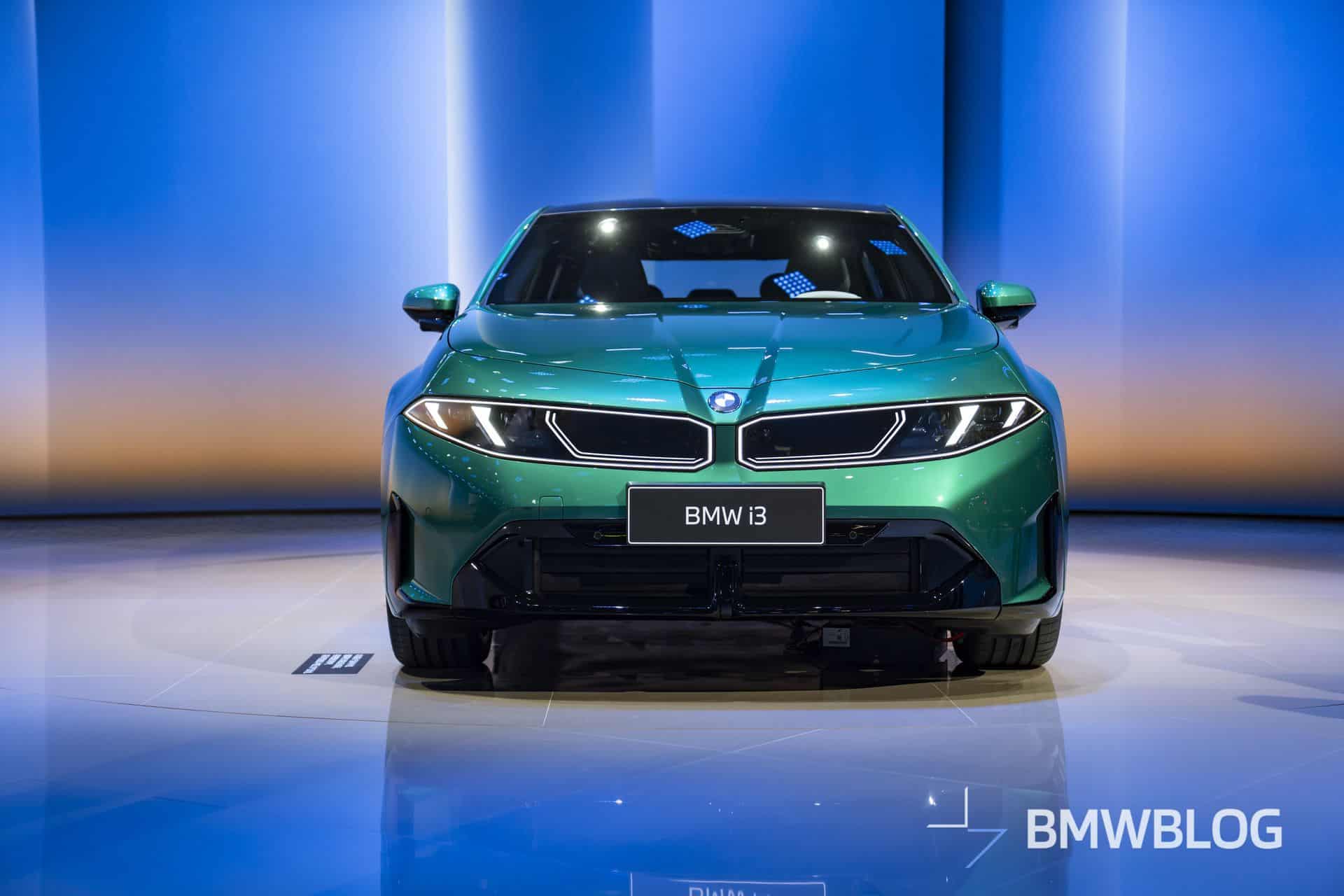
The i3 sedan is also off to a strong start, as BMW brought preorders forward by a few months by introducing a First Edition ahead of the originally planned launch this fall. There’s now a first-ever iX5, while wagon-loving European customers are eagerly waiting for the i3 Touring to arrive in 2027. The iX4 and i4 Convertible will be niche models unlikely to move the needle, but they’re worth mentioning nevertheless.
Full-size electric vehicles such as the i7 facelift and next year’s iX7 won’t be volume models either, given their lofty price tags. We can say the same about the potential iX6, allegedly arriving sometime in 2028. Meanwhile, the Life Cycle Impulse for the i5 lineup, due in 2027, should serve as another stepping stone toward the ambitious 2030 target.
Far more important for wider EV adoption will be the next-generation iX1, launching next year, as well as the long-rumored i1 hatchback and i2 sedan (sorry, Gran Coupe) coming later. These entry-level EVs are reportedly arriving around 2028 and will become the cheapest BMW Group models outside the MINI Cooper “J01.”
The remainder of the decade looks exciting for EV fans, but given the less rosy situation in China, hitting an EV share of 50% by 2030 will be a real challenge.

Related posts

Latest Post


No Comments