
BMW Research Finds 51% of a Scrapped Car Could Be Recycled Into New Cars
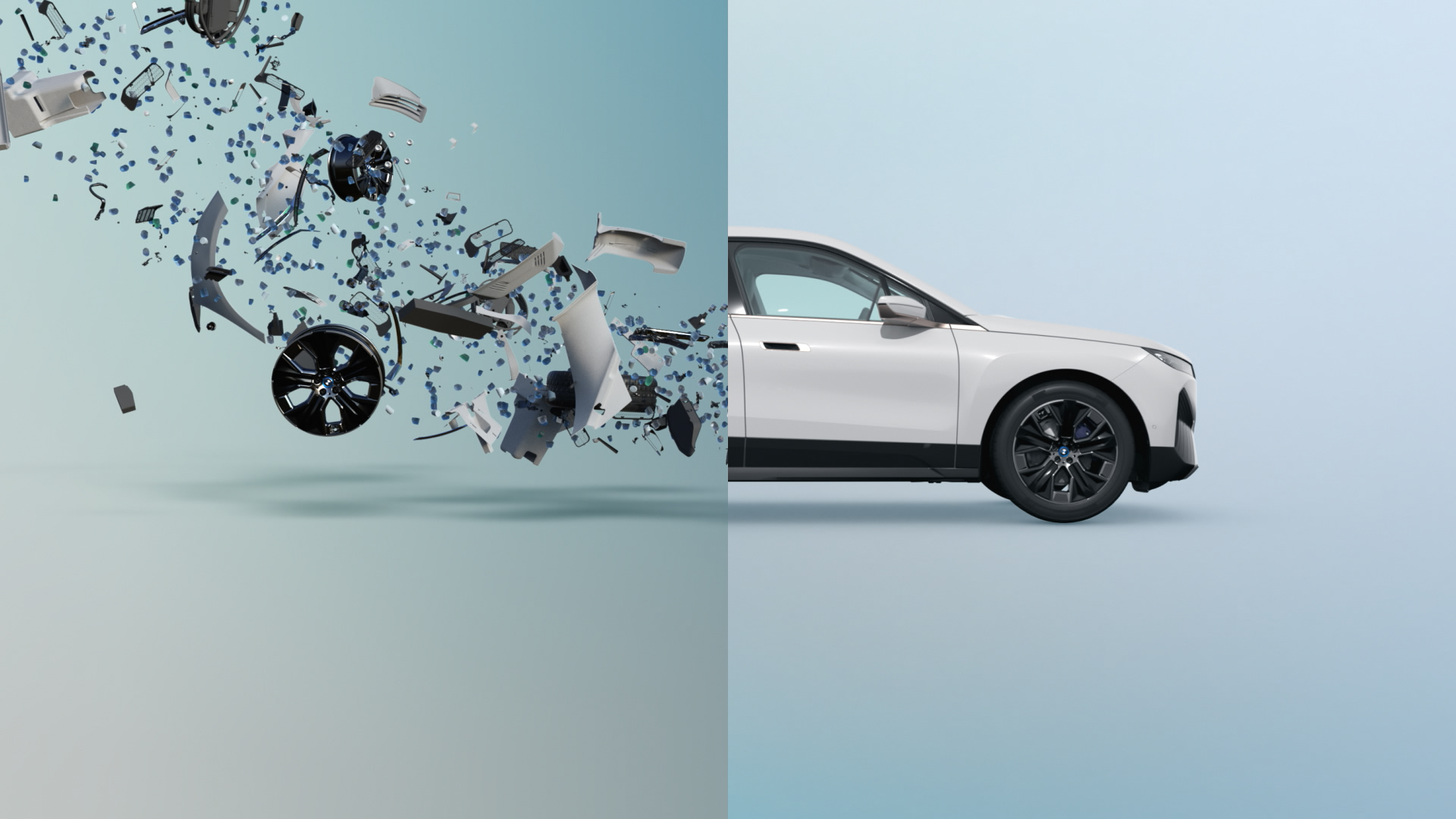
Article Summary
- BMW’s Car2Car project found that 51% of a scrapped vehicle’s materials could potentially be recycled back into new automotive applications.
- Advanced recycling increased the reuse rate dramatically, with steel reaching 81%, aluminum 52%, and copper 68%.
- BMW produced more than 100,000 series-production parts using recovered steel to prove the process can work beyond the laboratory.
Recycling an old car is nothing new. Turning its materials back into components good enough for a brand-new BMW is considerably more difficult. But a new research project led by BMW suggests automakers could eventually recover much more usable material from end-of-life vehicles than they do today.
Via the Car2Car research project, the BMW Group and its partners examine how steel, aluminum, copper, plastics, and glass from scrapped vehicles could be returned to automotive production. Under advanced processing and sorting conditions, researchers managed to increase what BMW calls the “Car2Car rate” from just 6% to 51%. However, that doesn’t mean only 51% of a car can technically be recycled. BMW defines its Car2Car rate more narrowly: it represents materials recovered from an end-of-life vehicle at a high enough quality that they could be reused in new automotive applications.
Steel Shows the Biggest Potential

The gains varied dramatically depending on the material. Using more advanced recycling processes, BMW says the Car2Car rate for steel jumped from just 1% to 81%. Aluminum improved from 23% to 52%, while copper rose from 48% to 68%. Plastics and glass remain much harder to return to the automotive supply chain at the quality levels required for new vehicles. Getting those numbers required more than simply feeding old cars into a conventional shredder. The project investigated improved pre-sorting, modified shredding processes, sensor-based material sorting, classification, and more precise separation of different aluminum alloys. With processes closer to what is commonly used today, the overall Car2Car rate was only 6%.
Steel provides perhaps the clearest example of why the extra work matters. Scrap steel from old cars can contain copper from wiring, connectors, and other components. That contamination can prevent the resulting material from meeting the standards required for high-quality automotive sheet steel. The Car2Car project added another sorting step that reduced those copper impurities. BMW says the resulting scrap could then be used to produce flat steel suitable for modern automotive applications. BMW went a step further, filing a patent and integrating the findings into its production processes.
BMW Already Built More Than 100,000 Parts From Recovered Steel

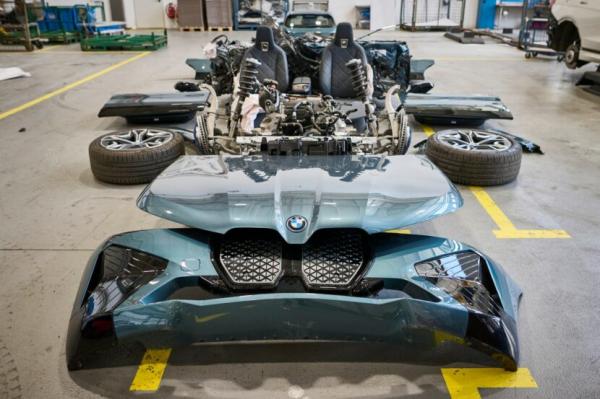
After testing the recycled steel, BMW integrated material produced through the project into a manufacturing trial at Plant Leipzig. More than 100,000 series-production components were manufactured and installed in vehicles using the process. Some might have gone into the new i3 sedan, which touts composition of 30% recycled materials. Materials came from 433 vehicles representing 60 different BMW Group models deemed “end of life.” Importantly, BMW says the project achieved its results without requiring significantly more vehicle dismantling than the compulsory disassembly already carried out before recycling.
There are still some big caveats. The 51% figure was achieved under optimized research and demonstration conditions, not through processes that are universally available at recycling facilities today. Scaling them would require additional investment in dismantling, sorting, processing equipment, and infrastructure. Plastics and glass still prove especially troublesome. Modern vehicles use numerous plastic formulations and composite structures, making separation and reuse much more complicated than recycling metals. BMW says additional sorting and processing technologies will be required before those materials can consistently meet automotive quality standards. Of course, BMW has also made headway in other challenging areas, like EV batteries. But that responsibility falls more squarely to the Recycling and Dismantling Center.
Still, the project gives BMW useful data for designing future cars with recycling in mind. The findings will feed into the company’s existing “Design for Circularity” work, which aims to consider how vehicle materials can ultimately be recovered and reused before the car even enters production.

Related posts






Latest Post


No Comments